
Renewed Tigray Conflict Leaves Displaced Families in Limbo as Health System Collapses
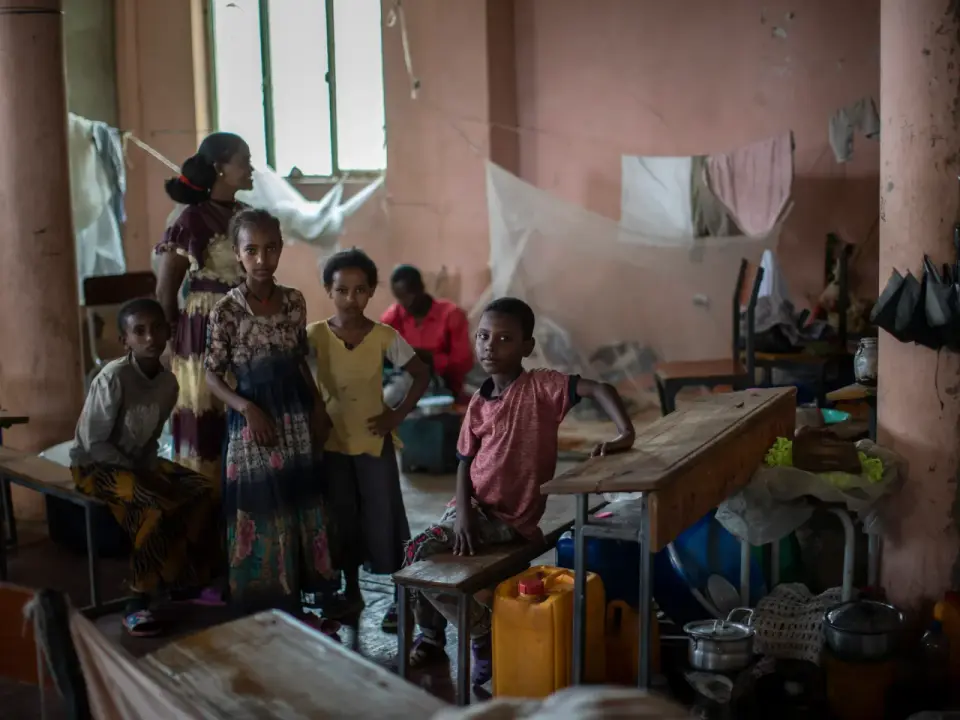
A resumption of fighting in Ethiopia’s Tigray region in September 2026 has shattered hopes for stability, leaving thousands of displaced families in temporary shelters and overwhelming a fragile healthcare system. While the federal government has established a caretaker administration, unresolved territorial disputes and ongoing violence threaten to undo the 2022 Pretoria peace agreement, with international bodies warning of a return to civil war.
Key points
- Fighting resumed in Tigray on September 22, 2026, with TPLF forces seizing Mekelle’s airport before federal forces retaken the city on October 4.
- Displaced families in Abi Adi and other sites remain in temporary shelters, facing shortages of food, water, and medicine, with no clear timeline for return to their homes in Western Tigray.
- Health facilities, including Ayder Referral Hospital, are struggling with severe shortages of essential medicines and staff, forcing patients to buy drugs from private pharmacies they cannot afford.
- The federal government established a six-month caretaker administration to restore services, but underlying political disputes and territorial disagreements remain unresolved.
- A rehabilitation program is helping approximately 5,500 former fighters transition to civilian life, though concerns persist regarding forced recruitment and the security of the process.
Background
The current instability follows the 2020-2022 Tigray war, which resulted in an estimated 500,000 to 600,000 deaths and displaced millions. The 2022 Pretoria agreement ended the initial conflict but left key issues, such as the status of Western Tigray and disarmament, unresolved. Recent archive coverage noted that the federal government had accused Egypt, Sudan, and Eritrea of backing rebel alliances, and that Ethiopian forces had advanced toward the Eritrean border, triggering diplomatic crises and UN Security Council sessions in October 2026.
How outlets are covering it
Al Jazeera emphasizes the human toll on displaced families and the failure of the peace agreement to resolve territorial disputes, highlighting the uncertainty faced by those in temporary shelters. NPR focuses on the collapse of the healthcare system, citing a surgeon in Mekelle who described chaos in emergency rooms and a lack of communication networks, while noting that WHO Director-General Tedros Adhanom Ghebreyesus warned of a health system nearing collapse. The Walrus provides a broader historical context, detailing allegations of genocide and sexual violence during the 2020-2022 war, and notes that transitional justice mechanisms have largely stalled, with no prosecutions yet for war crimes. While all sources agree on the severity of the current crisis, they differ in emphasis: Al Jazeera and NPR focus on immediate humanitarian and medical impacts, whereas The Walrus highlights long-term accountability and the unresolved nature of past atrocities.
Why it matters
The renewed conflict in Tigray threatens to reverse years of fragile peace and could lead to a wider civil war, exacerbating humanitarian crises in the Horn of Africa. The collapse of healthcare services and the inability of displaced families to return home indicate that the 2022 peace agreement failed to address root causes, such as territorial disputes and political representation. International attention is critical to prevent further escalation and ensure that humanitarian aid and transitional justice efforts are not undermined by ongoing violence.
What to watch
The federal government’s caretaker administration aims to restore public services and prepare for elections, but the success of this effort depends on resolving underlying political disputes and ensuring security. International organizations, including the UN and Human Rights Watch, are calling for scrutiny of violations by all parties, while humanitarian agencies continue to provide medical assistance despite significant gaps. The outcome of the rehabilitation program for former fighters and the resolution of the Western Tigray dispute will be key indicators of whether the region can move toward lasting peace or face further conflict.
- Tigray displaced families fear renewed war as hopes of returning home fade Al Jazeera
- Seven days of chaos in the ER: How this country's healthcare system is unraveling NPR
- News: Ethiopia tells UN envoy Eritrea, Sudan backing armed groups and drone attacks Addis Standard
- Who can make peace hold? Africa Is a Country
- Ethiopia Is Still Reeling from Genocide. Now Another War Looms The Walrus
Want the full story? Read the original reporting
Read on Al Jazeera