
UN warns of 'humanitarian catastrophe' as Ukraine braces for toughest winter yet
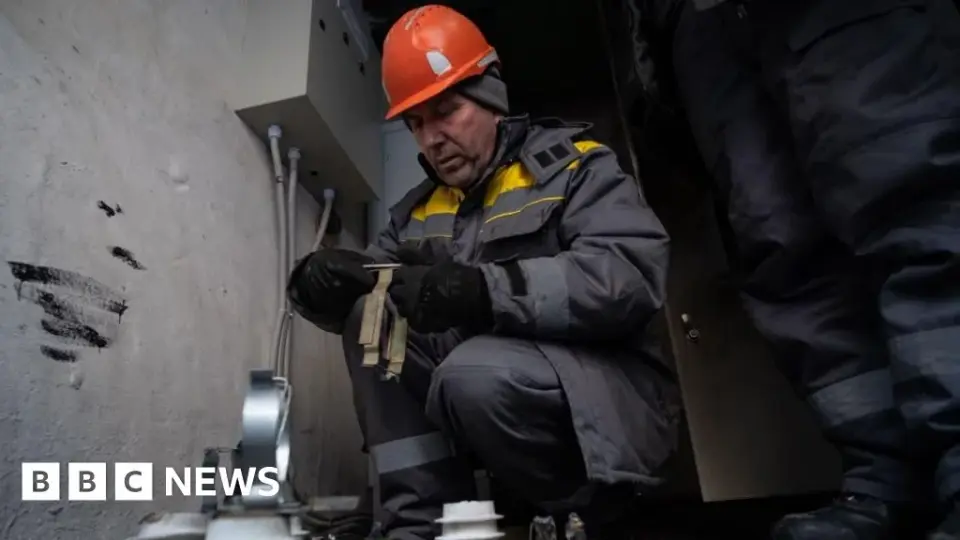
The UN warns Ukraine faces its most severe winter since the 2022 invasion due to systematic Russian attacks on energy infrastructure. While Kyiv claims improved readiness through decentralized systems, recent strikes on civilian sites have caused significant casualties, raising fears of a humanitarian crisis if power and water supplies fail.
Key points
- UN official Alexander De Croo described the upcoming season as the 'toughest' since the full-scale invasion, warning of potential 'humanitarian catastrophe' if energy and water systems are cut off.
- Russian Prime Minister Serhii Koretskyi stated Ukraine is better prepared than last winter, citing decentralized energy plans and gas storage targets met one month early.
- Recent Russian drone strikes on shopping malls in Pavlohrad, Zaporizhzhia, and Sumy killed at least seven people and injured over 100, highlighting the escalation of attacks on civilian infrastructure.
- The UN Development Programme is repairing damaged power networks under constant air alarms, while Ukraine has allocated approximately $152 million for energy infrastructure repairs and backup generation.
Background
This escalation follows months of intensified aerial attacks, with Russia pushing its Donbas conquest deadline to March 2027. Earlier in 2026, European leaders warned of a critical security window as Russian escalation grew, while Ukraine expanded its own strikes into Russian energy facilities to pressure Moscow toward peace talks.
How outlets are covering it
The BBC and UN officials emphasize the severity of the humanitarian risk, with De Croo accusing Russia of 'systematic' targeting of civilian infrastructure. In contrast, Ukrainian PM Koretskyi, reported by Ukrainska Pravda and Kyiv Post, asserts that Kyiv is significantly better prepared than last winter due to decentralized utility networks and multi-tier contingency plans. The Guardian offers a more critical view, arguing that Western ambivalence and US policy shifts have left Ukraine vulnerable, while noting that public opinion in both Ukraine and Russia favors a ceasefire despite leadership intransigence.
Why it matters
The failure to secure energy infrastructure could lead to widespread suffering, with temperatures dropping to -20C, potentially disrupting water and sewage systems. This crisis underscores the broader geopolitical stalemate, where diplomatic efforts are stalled by ongoing military escalation and conflicting narratives regarding civilian targeting and winter readiness.
What to watch
The UN Development Programme continues to repair power networks despite active air alarms, while Ukraine monitors its gas reserves and heating preparations. Diplomatic talks may resume as US envoys return to Moscow and Kyiv, but the immediate focus remains on surviving the winter without a collapse of critical services.
- Ukraine faces 'toughest winter' since Russia's full-scale invasion, UN warns BBC
- Putin would rather keep killing than admit he’s lost. As a winter of misery looms in Ukraine, Nato must step in The Guardian
- Ukraine braces for harsh winter as Russian attacks hit economy Reuters
- Ukraine significantly better prepared for energy attacks than last winter Українська правда
- Ukraine Is Better Prepared for Winter Strikes, Koretskyi Says Kyiv Post
Want the full story? Read the original reporting
Read on BBC