
Yemeni children face lethal risks and makeshift classrooms as war escalates
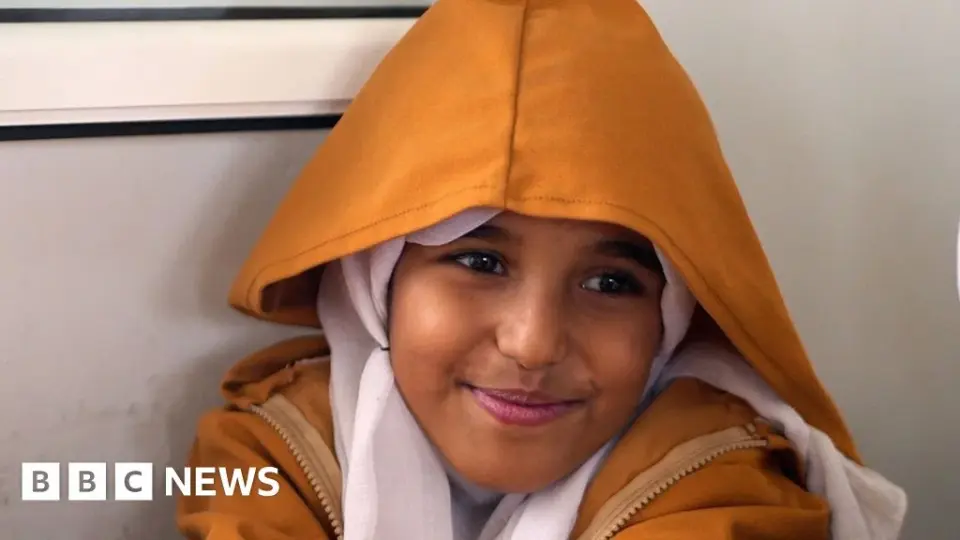
As Houthi forces intensify their offensive in Yemen, children in Taiz and other conflict zones face extreme dangers attending school, including sniper fire and mortar strikes. While 3.2 million children are out of school, humanitarian organizations and local educators are implementing emergency programs to keep students learning despite the collapse of infrastructure and safety.
Key points
- In Taiz, 10-year-old Rafeef walks uphill past Houthi sniper positions to reach her school, which sits on the edge of 'no-man's land' between government and Houthi-controlled areas.
- A recent mortar strike at a mechanic's shop in Taiz killed three-year-old Ahmed and critically injured 11-year-old Amjad, highlighting the lethal risks civilians face near front lines.
- UNICEF reports that 3.2 million children in Yemen are out of school, with 1.5 million of them being girls, a figure that has worsened since the war began in 2014.
- In the Al Khawkha district, a UNICEF program supported by the European Union is using social workers to help children like Ritaj and Abdullah return to school by balancing their household and agricultural labor duties.
- Local educator Fatima Al-Huraibi established the 'Non-Stop' educational center in rural Taiz province to provide a safe learning environment for displaced children, including those who lost family members to the conflict.
- Over 3,000 schools in Yemen have been destroyed or damaged, with many repurposed as military barracks or shelters for displaced people, forcing some students to study under trees with minimal supplies.
Background
Yemen's civil war, which began in 2014, has severely disrupted the education system. Previous coverage of regional conflicts, such as settler violence in the West Bank, highlights broader patterns of children facing security risks in education settings, but Yemen's crisis is distinct due to the scale of infrastructure destruction and the involvement of international actors like Saudi Arabia and Iran. The current escalation involves Houthi attempts to seize Taiz, a strategic city, while government forces push back in other areas, including the Bab al-Mandab Strait.
How outlets are covering it
BBC emphasizes the immediate, life-threatening dangers children face in Taiz, focusing on personal narratives of sniper fire and mortar attacks. European Civil Protection and Humanitarian Aid Operations (ECHO) highlights the role of social workers and community-based programs in mitigating dropout rates caused by child labor. Xinhua focuses on individual resilience, showcasing how local educators like Fatima Al-Huraibi are creating alternative learning spaces in rural areas. The Chinese media outlet (Busi De Bao) provides a broader statistical overview, noting that 3.7 million children are uneducated and 170,000 teachers are unpaid, emphasizing the systemic collapse of the education sector.
Why it matters
The education crisis in Yemen threatens the long-term stability and development of the country. With millions of children out of school and teachers unpaid, the workforce of the future is being deprived of basic skills. The escalation of the conflict, including Houthi advances in Taiz, exacerbates these risks, making humanitarian interventions and local educational initiatives critical for preserving the future of a generation.
What to watch
Humanitarian organizations will likely continue to expand emergency education programs in conflict zones. The outcome of the military standoff in Taiz will determine whether more schools are destroyed or if some areas stabilize. International aid, such as the EU-supported UNICEF program, may face challenges due to shifting front lines and access restrictions, but local initiatives like the 'Non-Stop' center will likely continue to operate in rural areas.
- Yemen: Children brave snipers and mortars to go to school near front line BBC
- Helping Yemen’s children back to school: the vital role of social workers European Civil Protection and Humanitarian Aid Operations
- Letter from Mideast: Teaching children non-stop amid war in Yemen Xinhua
- Education system in Yemen struggles under shadow of conflict 巴士的報
- Children brave snipers and mortars to go to school near Yemen front line WINNFM 98.9
Want the full story? Read the original reporting
Read on BBC