
Ukrainian Drone Campaign Expands: Saratov Warehouse Fire and Arctic Gas Strikes
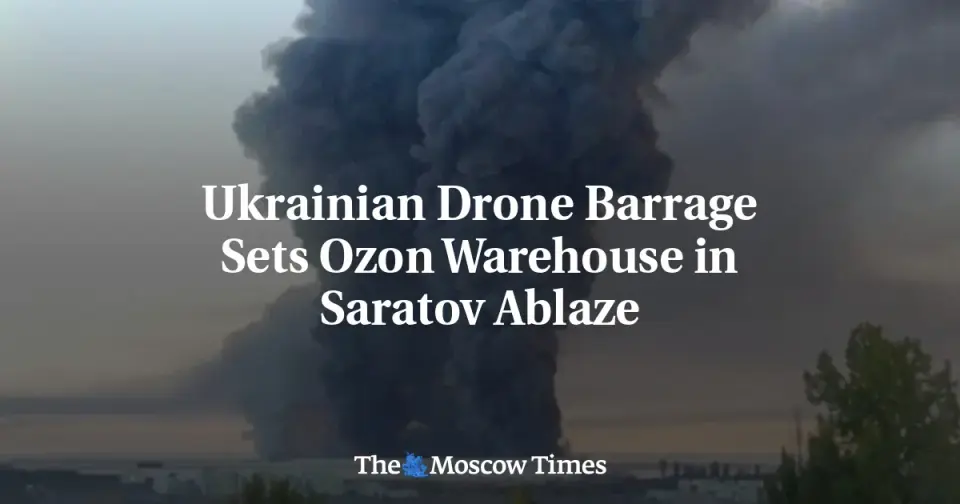
Ukrainian drones struck an Ozon warehouse in Saratov, causing a fire and suspending regional deliveries, while simultaneously hitting Arctic gas facilities in a record-range attack. The Saratov incident caused no casualties but damaged civilian infrastructure, and Ozon shares dropped 5%. Meanwhile, strikes on Novy Urengoy and Purovsky marked the first Ukrainian attacks in the Arctic, targeting critical energy hubs. Russia reported intercepting 777 drones, while European gas prices surged amid supply concerns.
Key points
- Ozon suspended all orders and deliveries in the Saratov region after a drone strike ignited a fire at its warehouse, with no casualties reported by Governor Roman Busargin.
- Ukrainian FP-1 drones hit gas condensate facilities in Novy Urengoy and Purovsky, the first strikes in the Arctic, located over 3,000km from the Ukrainian border.
- Ozon shares fell 5% on the Moscow Exchange following the Saratov attack, which is part of a broader campaign hitting over two dozen logistics hubs since mid-summer.
- European gas prices rose above 80 euros per megawatt-hour, the highest since 2023, as reserves dropped to 65% and concerns grew over Russian energy infrastructure damage.
- Russia’s Defense Ministry claimed it intercepted 777 Ukrainian drones between Thursday night and Friday morning, while civilian casualties were reported in Tula and Belgorod regions.
Background
Since mid-2026, Ukrainian drone strikes have increasingly targeted Russian logistics and energy infrastructure. Previous attacks in August hit Ozon and Wildberries warehouses in Samara, Orenburg, and Vladimir regions, disrupting deliveries and causing fires. These strikes follow a pattern of escalating long-range capabilities, including a July attack on an Omsk refinery, and occur amid broader tensions as US envoys visited Moscow and Kyiv with peace proposals.
How outlets are covering it
The Moscow Times focused on the immediate impact of the Saratov strike, emphasizing the suspension of Ozon operations and the lack of casualties, while noting a separate fire at a Rosneft refinery. Al Jazeera highlighted the strategic significance of the Arctic strikes, framing them as a demonstration of Ukraine’s expanded reach and potential economic impact on Russia’s energy exports. Both outlets agreed on the scale of the drone campaign but differed in emphasis: The Moscow Times reported on local damage and market reactions, while Al Jazeera analyzed the broader implications for European energy security and Russia’s Arctic infrastructure.
Why it matters
The Saratov strike underscores the vulnerability of Russian commercial logistics to Ukrainian drones, directly impacting major retailers like Ozon. The Arctic strikes signal a shift in Ukraine’s operational reach, targeting critical energy assets that underpin Russia’s economy and European gas supplies. This escalation could further destabilize energy markets and complicate peace negotiations, as demonstrated by the resumption of attacks after US envoys departed.
What to watch
Monitor for further Ukrainian strikes on Russian energy and logistics infrastructure, particularly in the Arctic and western regions. Watch for potential impacts on European gas prices and supply chains, as well as any diplomatic developments following the recent US envoy visits. Track Ozon’s operational recovery and any further market reactions to the Saratov incident.
- Ukrainian Drone Barrage Sets Ozon Warehouse in Saratov Ablaze The Moscow Times
- Russian Offensive Campaign Assessment, September 10, 2026 Institute for the Study of War
- Ukraine Says It Hit Major Oil Refinery in Russia’s Volga Region Bloomberg.com
- How Ukraine’s deepest attack in Russia, on Arctic gas, signals new reach Al Jazeera
- Europe’s Latest Natural Gas Headache: Arctic Drone Strikes WSJ
Want the full story? Read the original reporting
Read on The Moscow Times