
Niger junta faces internal crisis as mutineers seize airport and presidency
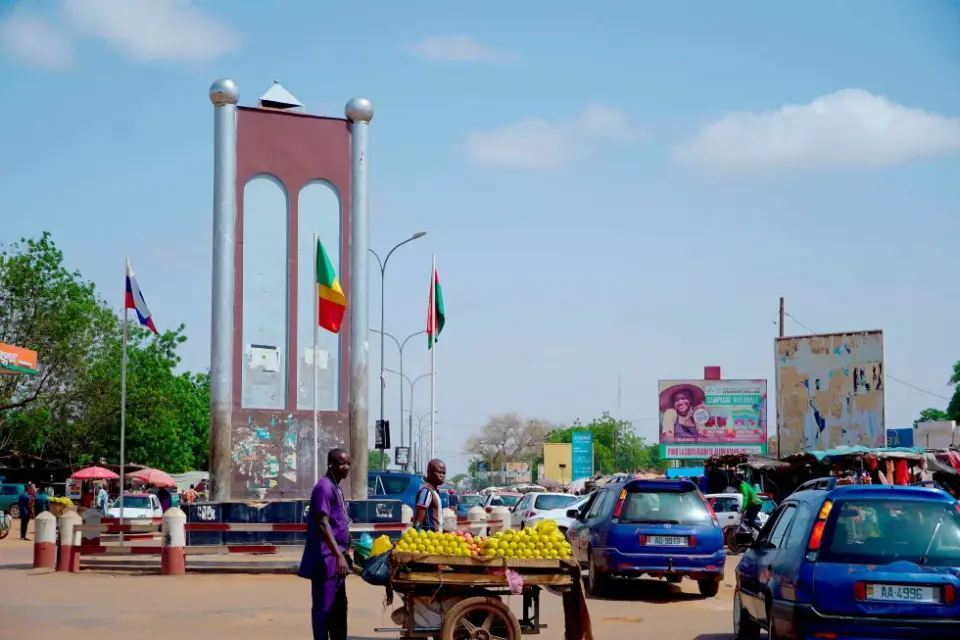
Niger’s military government faces its most severe internal challenge since seizing power in 2023, as mutinous soldiers attacked the capital’s airport and presidential palace. The unrest, driven by frustration over heavy casualties from jihadist attacks, threatens the stability of General Abdourahamane Tiani’s regime and the broader Alliance of Sahel States.
Key points
- Mutineers from Base 101 in Niamey attacked the Diori Hamani international airport and the presidential palace early on Saturday, August 29, 2026.
- The attack caused sustained gunfire and explosions, briefly knocking state television and radio off the air before loyalist forces regained control of the presidency.
- The mutiny involved troops from the southwest regions of Ouallam, Tera, and Dosso, areas that have suffered significant casualties in battles against Islamic State affiliates.
- Niger’s defense ministry stated that security forces were gradually retaking seized sites, though the situation at the airport remained contested into the afternoon.
- The unrest highlights the strain on Niger’s military, which is overstretched by repeated jihadist attacks and has deepened ties with Russia while breaking away from the ECOWAS bloc.
Background
Niger has been ruled by a military junta since General Abdourahamane Tiani ousted President Mohamed Bazoum in July 2023. Since then, the country has shifted away from Western partners, joined the Alliance of Sahel States (AES) with Mali and Burkina Faso, and tightened control over its uranium sector, seizing assets from France’s Orano. The current mutiny follows a pattern of deteriorating security in the central Sahel, where previous coups were driven by similar pressures from jihadist insurgencies.
How outlets are covering it
While all outlets confirm the attack on Niamey’s airport and presidency, they differ on the nature of the threat. Al Jazeera and a security source cited by Reuters initially described the attackers as 'terrorists' or militants, suggesting an external jihadist assault. However, NBC News and France 24 characterize the event as an internal mutiny, noting that state television later confirmed mutinous soldiers were responsible. NBC News highlights that the mutineers included troops from the southwest, linking the unrest to frustration over mass casualties in battles against Islamic State affiliates. Heni Nsaibia of ACLED, cited by AP and NBC, argues that the mutiny diverts resources from fighting jihadists, potentially allowing those groups to benefit from the internal instability. The Alliance of Sahel States issued a statement supporting Niger’s military and claiming the mutineers were thwarted, though it was unclear if Mali or Burkina Faso provided concrete military support.
Why it matters
The mutiny threatens the stability of Niger’s military government and the broader Alliance of Sahel States. It underscores the fragility of the junta’s rule, which has relied on security improvements that have not materialized despite deepening ties with Russia. The internal unrest could divert military resources away from combating jihadist groups, potentially exacerbating the security crisis in the region and affecting global uranium supply chains, as Niger is a key supplier to Europe.
What to watch
Loyalist forces are expected to fully secure the airport and other contested sites in Niamey. The government may face increased pressure to address the root causes of the mutiny, including the high casualty rates among frontline troops and the lack of progress in countering jihadist insurgencies. The situation could also influence the dynamics within the Alliance of Sahel States, potentially prompting further coordination or support from Mali and Burkina Faso if the instability persists.
- Niger’s security forces battle mutinous soldiers in the capital AP News
- Rival factions stand off in Niger capital after mutineers attack airport, presidency Reuters
- Gunfire, blasts heard in attempted mutiny in Niger’s capital Niamey Al Jazeera
- Mutinous soldiers attack airport, presidency in Niger capital NBC News
- Situation in Niger 'not stabilised yet' as security forces deploy around airport France 24
Want the full story? Read the original reporting
Read on AP News