
Four Years On: Data Leaks Reveal Hidden Fate of Russia’s 2022 Mobilized
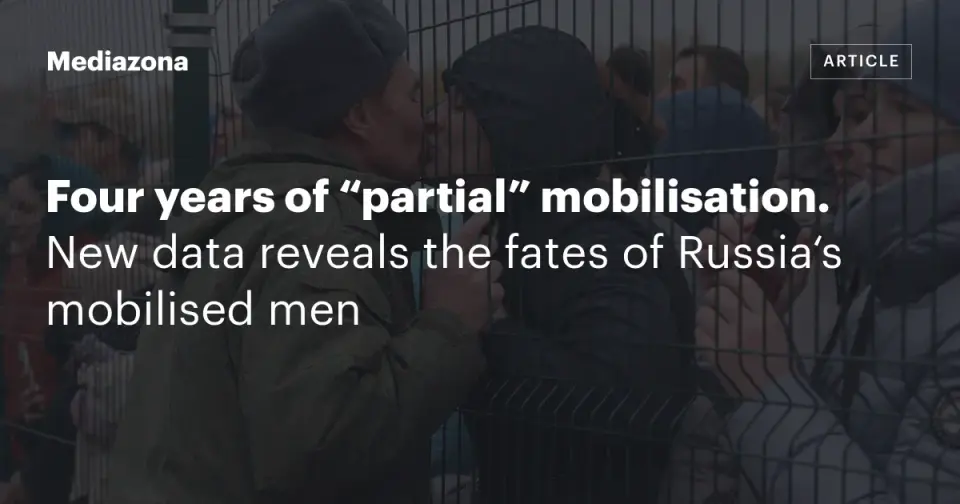
Marking the fourth anniversary of Russia’s 2022 partial mobilization, new data leaks and independent analyses reveal the long-term fate of conscripts. Mediazona’s analysis of leaked military rosters indicates that 20,500 mobilized men have died, a figure likely undercounting actual losses by at least half. While the Kremlin denies plans for a new draft, Western intelligence and activists warn of escalating 'stealth' mobilization and hybrid attacks in Europe. The 2022 call-up, which triggered mass emigration, remains a defining trauma for Russian society, particularly in ethnic republics like Tyva, where per capita losses are highest.
Key points
- Mediazona’s analysis of two major data leaks shows that of 2,515 tracked mobilized men, 427 have been confirmed dead, with only 173 recorded in public obituaries, suggesting a significant undercount of total losses.
- The Kremlin has denied plans for a new mobilization 18 times since the September 2026 Duma elections, yet Western intelligence sources report administrative preparations for a draft surge and intensified strikes on NATO borders.
- Activists in regions like Tyva and Sakha report rising anxiety and 'covert' recruitment, with authorities using electronic summonses and contract pressure to bypass formal mobilization orders.
- Poland and other NATO members are increasing air defense sorties in response to Russian drone incursions, while European leaders warn of hybrid operations including cyberattacks and sabotage of critical infrastructure.
- The 2022 mobilization, which drafted 300,000 men, remains a source of deep societal trauma, with many mobilized men later converting to contract status or being discharged on medical grounds.
Background
The September 2022 partial mobilization was a pivotal moment in the Russia-Ukraine war, announced by President Vladimir Putin after military setbacks. It triggered a massive exodus of hundreds of thousands of Russians to neighboring countries and sparked widespread protests. Since then, Russia has relied heavily on contract soldiers and 'covert' recruitment to sustain its war effort, while the 2022 decree remains in force, binding mobilized men to service until the war ends. Recent developments, including the September 2026 Duma elections and reports of a potential new draft, have renewed fears of a second mobilization, particularly among ethnic minorities and Indigenous populations in regions like Tyva and Sakha, who suffered disproportionate losses in 2022.
How outlets are covering it
Mediazona provides a data-driven perspective, using leaked military rosters to argue that official casualty figures for mobilized men are significantly undercounted. The Institute for the Study of War (ISW) focuses on the strategic implications, noting that Russia’s current casualty rate exceeds its recruitment rate, forcing the Kremlin to consider involuntary call-ups despite public denials. The Moscow Times highlights the human impact, with activists in Tyva and Sakha reporting rising anxiety and 'covert' mobilization tactics, including electronic summonses and contract pressure. The Jerusalem Post, citing Western intelligence, warns of a broader escalation, including a draft surge and hybrid attacks on NATO borders, while noting that some Western officials question the feasibility of a 300,000-troop draft due to equipment shortages. These perspectives collectively paint a picture of a regime under strain, using administrative and coercive measures to sustain its war effort while avoiding the political fallout of a formal mobilization order.
Why it matters
The fate of the 2022 mobilized men is a key indicator of Russia’s long-term war sustainability and societal resilience. The undercounting of casualties and the shift to 'covert' mobilization suggest that the Kremlin is prioritizing battlefield needs over domestic stability, risking further social unrest. The potential for a new mobilization and hybrid attacks on NATO borders could escalate the conflict beyond Ukraine, with significant implications for European security and the global balance of power. The data leaks and independent analyses provide crucial insights into the true cost of the war, challenging official narratives and highlighting the human toll on Russian society.
What to watch
The coming months will likely see increased scrutiny of Russian recruitment practices and potential 'stealth' mobilization efforts. Western intelligence agencies will monitor for signs of a formal mobilization order, while European nations will strengthen their air defenses and counter hybrid operations. Activists in Russia will continue to document cases of coerced recruitment and provide support to those seeking to evade the draft. The outcome of the September 2026 Duma elections and the Kremlin’s response to battlefield losses will be key indicators of whether a new mobilization is imminent. The long-term impact of the 2022 mobilization on Russian society, particularly in ethnic republics, will also be a critical factor in assessing the regime’s stability and the war’s trajectory.
- Four years of “partial” mobilisation. New data reveals the fates of Russia‘s mobilised men Mediazona
- Russian Offensive Campaign Assessment, September 18, 2026 Institute for the Study of War
- Russians Fear Putin Will Send Them to War Once Election Is Over Bloomberg
- As Fears of Post-Election Mobilization Swirl, Russian Activists Prepare for the Worst The Moscow Times
- Vladimir Putin prepares Russian draft surge, European hybrid attacks after Duma election The Jerusalem Post
Want the full story? Read the original reporting
Read on Mediazona