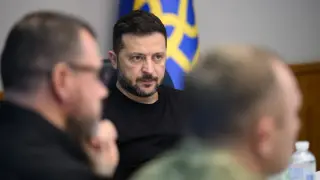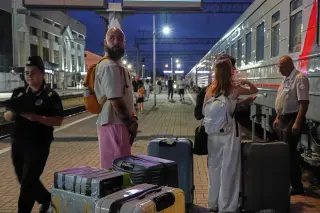
Around 200 civilians clashed with military recruiters and police in Lviv after a street document check tied to Ukraine’s mobilization, prompting police and SBU investigations, injuries to an officer, and calls from leaders to reform the system and rebuild public trust while avoiding vigilante actions.
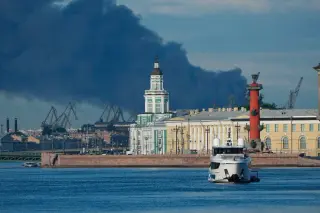
A study by NGO Join Ukraine found anti-war discussions across Russia rose 235% in the week after Ukraine’s June 18 drone attack on Moscow, with criticism of the Kremlin, skepticism about official claims, and growing mentions of mobilization and fuel shortages. The online activity spanned thousands of regional Telegram channels and VKontakte communities, generating about 594 million views as discussions spread to more regions; observers note that drones reaching Moscow shifted public perception and increased concerns about civilian protection and energy supplies amid disrupted airports and fuel shortages.
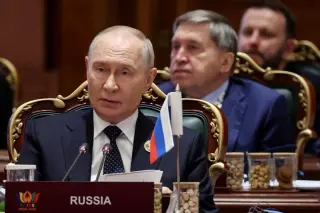
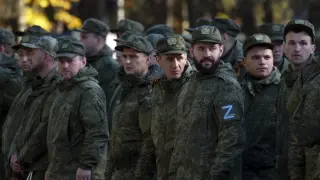
Meduza reports that Russian authorities are weighing a new mobilization after the State Duma elections, with October as a possible start, as contract recruitment slows to about 800 signups per day in early 2026 (the lowest in three years) before rising to roughly 1,000 per day in Q2, per estimates based on budget data. Regions describe growing difficulty in recruiting, with some contracts offered to detainees or recruited through police, and many new contract soldiers being desertors or barely fit for service. The situation has spurred intensified propaganda and higher payments, and discussions range from partial mobilization to rotating reservists, though no final decision has been made. Some officials say preparatory measures have been underway for months.
Russia’s high-stakes recruitment bonuses (up to about $80,000, plus up to $140,000 debt relief) have failed to stop a manpower drain: first-quarter 2026 recruitment fell roughly 20% year-on-year, signaling a severe labor shortage that strains both the defense industry and the civilian economy. Moscow may face unpopular options, including a second mobilization or tighter exit controls, as capacity is maxed and inflation pressures households. The Kremlin is also eyeing foreign or imprisoned recruits to bolster forces, while Ukraine’s drone warfare and tech gains intensify pressure on Russia.
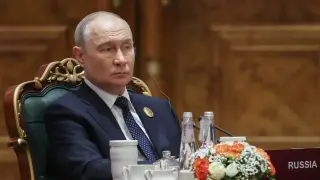
As battlefield losses mount and 2026 recruitment misses targets despite bonuses and coercive tactics, Kyiv warns Moscow could resort to a new partial mobilization. Analysts call it a high-stakes gamble for Putin that would require a front-line crisis or a shift to a war economy, but political and electoral risks make such a move uncertain in the near term.
Ukraine’s improving drone campaign and strikes on Russian rear logistics are eroding Moscow’s battlefield edge, with Ukrainian gains in Donetsk, Zaporizhzhia, and Dnipropetrovsk regions contributing to a cautious tilt in Kyiv’s favor while both sides remain locked in a stalemate. Analysts warn that sustained pressure could push Russia toward a limited mobilization or diplomatic talks, but a large-scale Ukrainian offensive remains unlikely in the near term.
Ukraine believes a winter pause may be possible through U.S.-brokered talks, buoyed by battlefield gains and signs Moscow is willing to discuss. Yet Kyiv warns air-defense shortages—especially Patriot interceptors—and fears of a renewed Russian mobilization could derail any deal, while slow PURL arms deliveries and other U.S. priorities complicate diplomacy.
A shift in the Ukraine war narrative shows Kyiv's counteroffensive gaining ground while Russia’s ground offensive stalls. Ukraine’s growing drone program and military reforms contribute to momentum, including long-range strikes on Russia’s energy infrastructure and a ‘logistics lockdown’ threatening Crimea’s supplies. Russia faces manpower shortages and mounting economic strain, with experts warning Putin’s optimism may rest on distorted battlefield maps. U.S. and European arms support remains strained amid competing crises, leaving Ukraine a potentially six‑month window to convert momentum into a lasting breakthrough before Kremlin escalation or political fatigue takes hold.
European officials warn Moscow could broaden the war beyond Ukraine, with threats to NATO Baltic members, ongoing strikes on Kyiv, and signals of possible mobilization or hybrid actions as NATO contemplates rapid-deployment plans amid rising tensions.
Zelensky says Russia is preparing five possible offensives to expand the war into northern Ukraine and could mobilize up to 100,000 more troops; Kyiv is studying intelligence on threats along the Chernihiv–Kyiv axis, pledges to respond, and plans to broaden long-range strikes, while Belarus–Russia joint exercises raise concerns about broader involvement.
ISW notes Ukrainian counterattacks in Kupyansk and in Dnipropetrovsk–Zaporizhia directions netted about 165 square kilometers in February, challenging Moscow’s claims of an inevitable victory and signaling Russia will have to fight to stabilize defenses this spring. Russia faces manpower and funding strains, inflation, and sanctions, with talk of limited involuntary mobilization and tighter information control; Kremlin also leverages SVR claims about Ukraine’s nuclear status to justify the war and press Western security guarantees. Ukraine, backed by Western allies, remains committed to democracy despite ongoing Russian strikes, and ISW warns that while no large-scale Ukrainian breakthrough has occurred, localized gains could slow a broader Russian offensive in the near term.
Speculation is rising that Putin may announce a mobilization as Russia faces military strains and domestic pressure, with reports of Telegram being blocked to curb protests, ongoing Ukrainian strikes on strategic sites, and deteriorating conditions in Belgorod fueling analyses that Moscow could widen the war through a draft.
An analytic piece argues Russia can sustain the war by mobilizing further, but is likely to avoid a full open draft. It outlines five 2026 scenarios ranging from about 200,000 to roughly 1 million new troops, with a total mobilization of five million deemed unrealistic. The drive relies on recruitment bonuses, regional payouts, and legal/technical prep, yet budget strains and political risk may curb large-scale, transparent mobilization. The piece cautions that Moscow’s approach will influence the conflict’s trajectory, and stresses that Ukraine and Western partners should plan to counter continued Russian pressure.
Poland plans a 2039 force of 300,000 active troops and 200,000 reservists, plus a high-readiness reserve, backed by universal training and rapid integration of drones, AI-enabled command systems, and long-range strike capabilities, funded at over 4% of GDP and tied to a societal defence approach. The move signals a mass, technology-augmented shift in deterrence and reshapes NATO’s eastern posture, while raising concerns about demographic constraints and opportunity costs.
As Ukrainian casualties mount, Moscow expands conscription and authorizes year‑round drafts while leaning on reservists to guard infrastructure; Russia also relies on contract soldiers and foreign recruits to replenish forces, aiming to avoid nationwide mobilization amid budget limits and political risk, even as casualty patterns increasingly impact provinces outside Moscow.