
Russian Black Sea Campaign Paralyzes Odesa Ports and Threatens Global Grain Supply
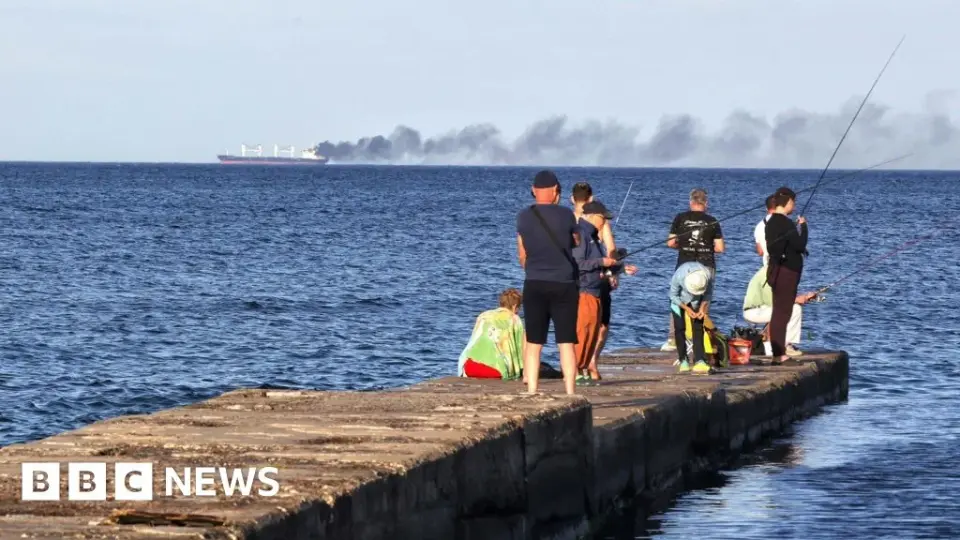
Russia has intensified missile and drone strikes against Ukraine’s Black Sea coastline, effectively halting commercial shipping in the Odesa region. The campaign has killed dozens of seafarers, damaged critical infrastructure, and disrupted Ukraine’s grain exports at a critical harvest time. While Ukraine retaliates by targeting Russian vessels in the Sea of Azov, the primary impact remains on civilian port workers and global food supply chains.
Key points
- Russian attacks on civilian vessels and port infrastructure surged in July 2026, with 57 attacks on ships and 67 on port facilities reported by Ukraine’s port administration.
- The Golden Leo cargo ship was sunk by Russian missiles on July 19, killing nine crew members and a pilot; Lloyd’s List describes July as the deadliest month for merchant seamen since the invasion began.
- Port operations in Odesa, Chornomorsk, and Pivdennyi have largely ceased due to safety risks, with the main port closed for 15 of 24 hours daily due to alerts.
- Ukraine’s Operation MoLoChKa has struck approximately 200 Russian vessels in the Sea of Azov, aiming to disrupt supplies to occupied Crimea, which Kyiv claims is distinct from Russia’s blockade of Ukrainian exports.
- Recent strikes damaged Chornomorets stadium and residential areas in Odesa, injuring civilians, while a 16-year-old boy was wounded in the Izmail district.
Background
This escalation follows a series of maritime incidents in mid-2026, including the sinking of the Golden Leo in July and drone strikes on the German cargo ship EMIL in August. Ukraine’s aggressive campaign against Russian shipping in the Sea of Azov, which began in early July, appears to have triggered the current wave of retaliatory strikes against Ukrainian Black Sea ports. The conflict has shifted from a naval blockade to a direct exchange of strikes on commercial and civilian infrastructure, with both sides targeting each other’s maritime logistics.
How outlets are covering it
BBC emphasizes the humanitarian and economic impact, highlighting the near-total cessation of shipping and the trauma of port workers like Svitlana Halchenko. Ukrainian outlets, such as Ukrainska Pravda and Intent, focus on the immediate civilian toll, detailing injuries in Odesa and Kherson regions and framing the strikes as 'terrorizing' the population. While BBC notes the strategic context of Ukraine’s retaliation against Russian oil and supply ships, Ukrainian sources stress the asymmetry, arguing that Russia is blocking essential grain exports while Ukraine is targeting military and sanctioned logistics. All sources agree on the severity of the situation, but differ in framing the intent: BBC presents it as a mutual escalation of maritime warfare, while Ukrainian outlets frame it as a Russian attempt to starve the global market and punish civilians.
Why it matters
The closure of Ukraine’s Black Sea ports threatens global food security, as Ukraine supplies 6% of global wheat and 10% of corn exports. The loss of 0.5 to 0.7 million metric tons of grain and oilseeds this summer could exacerbate global inflation. Furthermore, the deadly nature of these strikes sets a dangerous precedent for international shipping safety, potentially leading to higher insurance costs and further isolation of Black Sea trade routes.
What to watch
Expect continued Russian strikes on Ukrainian port infrastructure and civilian areas as long as the grain harvest season persists. Ukraine may further intensify its maritime operations against Russian vessels in the Sea of Azov. International observers will monitor whether the UN-brokered grain corridors can be reinstated or if the Black Sea becomes a permanent no-go zone for commercial shipping. Casualty counts and infrastructure damage in Odesa and Kherson are likely to rise as the conflict remains active.
- In Odesa, no-one is safe from Russia's new Black Sea strike campaign BBC
- Russian strike blows hole in roof of Chornomorets stadium in Odesa Українська правда
- In the Odesa region, a teenager was wounded in Russian attacks; in the Kherson region, 32 people were injured Інтент
- One injured in Russian attack on Odesa district Yahoo
- Enemy Attack Injures 16-Year-Old Boy in Odesa Region, Victim Taken to Hospital Межа. Новини України.
Want the full story? Read the original reporting
Read on BBC