
UK-built drones hit Russian refineries and Wildberries hubs
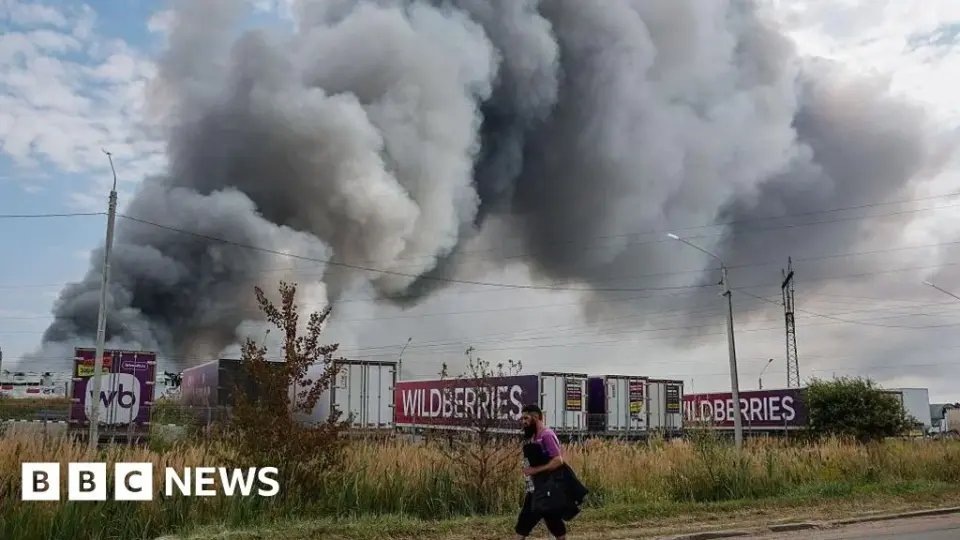
British-made drones have been deployed to strike military and industrial targets inside mainland Russia for the first time. According to the BBC, these weapons, produced by two separate UK firms, have successfully hit refineries and warehouses belonging to the online retailer Wildberries. The strikes are reported to have caused over £35 billion in economic damage. While UK-manufactured Storm Shadow missiles were previously used in the conflict, this new phase of drone deployment is described as having a more decisive impact. A military source confirmed to the BBC that UK drones were utilized. The UK Ministry of Defence has stated its support for Ukraine is 'unwavering' and that it will provide the equipment necessary for Ukraine to defend itself against Russia's invasion. In April, the MoD announced the supply of tens of thousands of drones, including long-range strike devices, in its largest-ever package. Russian Foreign Ministry spokeswoman Maria Zakharova had previously acknowledged the use of drones with UK components to attack Russian territory, including a fuel depot in the Rostov Region.
Key points
- UK-made drones from two separate companies have struck targets in mainland Russia for the first time.
- Targets include military sites, industrial facilities, refineries, and Wildberries warehouses.
- The strikes are reported to have caused over £35 billion in economic damage.
- A military source confirmed to the BBC that UK drones were used in these operations.
- The UK Ministry of Defence reaffirmed its commitment to supporting Ukraine with equipment until it wins.
Background
This development follows a series of Ukrainian drone strikes inside Russia in August 2026. In early August, Ukraine targeted two oil refineries deep inside Russia, specifically Bashneft-Novoil in Bashkortostan and Slavneft-Yanos near Yaroslavl, aiming to curb oil revenues used to fund the war. Around the same time, Ukrainian drones hit Wildberries logistics hubs, taking eight of the retailer's 15 largest facilities offline, including a major site in the Tula region. These actions were part of a broader campaign to pressure Russian supply chains and the war economy, with Kyiv describing the strikes as long-range sanctions. Russia responded with retaliatory strikes on Ukrainian infrastructure, including a train station and a Black Sea commercial ship, while both sides exchanged drone attacks and reported civilian casualties.
Why it matters
The use of UK-manufactured drones marks a significant escalation in the type of Western military support provided to Ukraine, moving beyond missiles to long-range strike capabilities. The reported £35 billion in economic damage suggests a strategic shift aimed at degrading Russia's industrial and commercial infrastructure, particularly targeting key revenue sources like oil refineries and major logistics networks. This development underscores the UK's commitment to sustained military aid and highlights the growing impact of drone warfare on the Russian economy and war effort.
What to watch
The UK Ministry of Defence has indicated it will continue to provide the equipment Ukraine needs to defend itself. The deployment of these drones may lead to further strikes on Russian industrial and military targets, potentially increasing economic pressure on Moscow. Russia may respond with retaliatory strikes or enhanced air defenses. The situation could influence broader diplomatic discussions, as Ukraine has previously linked such strikes to a push toward diplomacy.
Want the full story? Read the original reporting
Read on BBC