
Ethiopian Forces Seize Mekelle as TPLF Withdraws Amid Regional Diplomatic Rupture
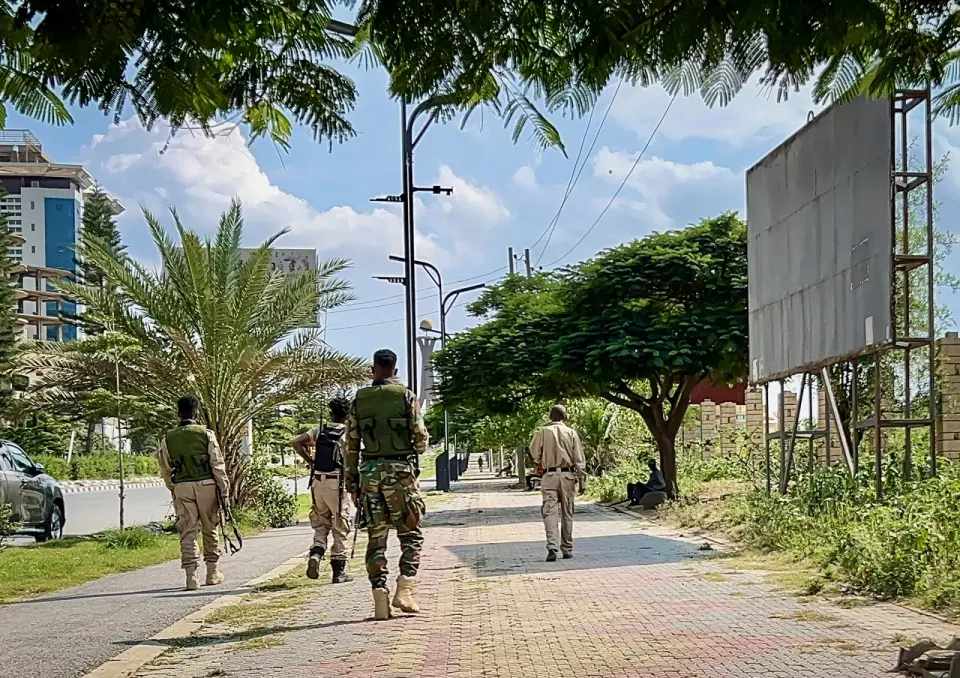
Ethiopian federal forces and allied Tigray Peace Force fighters have taken control of Mekelle, the capital of the Tigray region, after the Tigray People’s Liberation Front (TPLF) announced a temporary withdrawal. The TPLF stated the move was to prevent civilian harm, while the federal government frames the capture as a step toward restoring authority and establishing a new interim administration. The conflict, which resumed in September 2026, has triggered a diplomatic crisis with Eritrea and Egypt, with neighboring leaders meeting in Egypt to urge restraint. Residents in Addis Ababa and Tigray fear a return to the devastation of the 2020–2022 war, as drone strikes in the capital and unresolved peace terms heighten concerns of a wider regional conflict.
Key points
- Ethiopian federal forces and allied Tigray Peace Force fighters entered and took control of Mekelle on Saturday, confirmed by Reuters, AP, and local residents.
- The TPLF announced a temporary withdrawal from Mekelle, stating the decision was to prevent further destruction and protect civilians, while pledging to continue fighting from other locations.
- The federal government is preparing to establish a new interim administration in Tigray, with plans for regional elections within months, according to former Tigray Interim Administration president Abraham Belay.
- Ethiopia and Eritrea severed diplomatic ties on Friday after Addis Ababa accused Asmara of supporting the rebel alliance; Eritrea denied the allegations and declared 10 Ethiopian diplomats persona non grata.
- Explosions were reported in Addis Ababa, including near military headquarters, with an opposition alliance claiming responsibility for drone strikes, though the claim could not be independently verified.
- The US Department of State called for restraint and dialogue, while leaders from Egypt, Eritrea, Somalia, and Sudan met in El-Alamein to affirm respect for sovereignty and peaceful dispute resolution.
Background
The current fighting follows the collapse of the 2022 Pretoria Agreement, which ended a two-year civil war that killed an estimated 600,000 people and displaced millions. In July 2026, the TPLF declared the agreement effectively collapsed due to unimplemented provisions, while the federal government accused the TPLF of undermining the peace process. Renewed fighting began on September 23, 2026, when the TPLF seized three national airports and expanded into Amhara and Afar. The TPLF subsequently joined six other armed groups, including the Fano militia, to form the Alliance for Survival, aiming to remove Prime Minister Abiy Ahmed’s government. The conflict has exacerbated humanitarian crises, with reports of forced recruitment, internet blackouts, and displacement, while unresolved issues over disputed territories and disarmament continue to fuel tensions.
How outlets are covering it
Al Jazeera emphasizes the humanitarian impact and civilian fears, highlighting residents’ trauma from the 2020–2022 war and the economic consequences of renewed fighting. It notes the TPLF’s framing of the withdrawal as a tactical decision to protect civilians, while the federal government views it as a step toward restoring control. BBC focuses on the broader regional implications, detailing the diplomatic rift between Ethiopia and Eritrea, the involvement of neighboring countries, and the US call for restraint. It highlights the formation of the Alliance for Survival and the potential for the conflict to destabilize the Horn of Africa. Both sources agree on the TPLF’s withdrawal and federal control of Mekelle but differ in emphasis: Al Jazeera centers on local civilian experiences and the Pretoria Agreement’s failure, while BBC stresses international diplomacy and the risk of wider regional conflict.
Why it matters
The capture of Mekelle marks a significant escalation in the renewed Tigray conflict, threatening to reignite a war that previously killed hundreds of thousands and displaced millions. The diplomatic rupture with Eritrea and tensions with Egypt and Sudan risk drawing neighboring countries into the conflict, potentially destabilizing the Horn of Africa. Unresolved issues from the 2022 Pretoria Agreement, including disputed territories and disarmament, continue to fuel violence, while the formation of a broad rebel alliance challenges the federal government’s authority. The humanitarian crisis, including forced recruitment and displacement, underscores the severe impact on civilians, with fears of a wider regional war echoing the devastation of the 2020–2022 conflict.
What to watch
The federal government is preparing to establish a new interim administration in Tigray, with plans for regional elections within months, while the TPLF pledges to continue fighting from other locations. Diplomatic efforts, including a meeting in Egypt with leaders from Egypt, Eritrea, Somalia, and Sudan, aim to de-escalate tensions, but the US has called for restraint and dialogue. The conflict may spread further if cross-border supply lines and mutual accusations of interference persist, potentially drawing in neighboring countries. Humanitarian access remains a critical concern, with the UN urging safe and unhindered access for aid workers. The outcome of the interim administration and the status of the Pretoria Agreement will determine whether the conflict escalates or a fragile peace is restored.
- Ethiopia’s forces retake Mekelle amid renewed Tigray fighting aljazeera.com
- Ethiopian rebel forces withdraw from Tigray regional capital bbc.com
- What to Know About Fighting Between Ethiopia and Rebels in Tigray The New York Times
- Analysing Africa newsletter: The war everyone saw coming The Economist
- Ethiopia government forces retake airport in Tigray's capital, sources say Reuters
Want the full story? Read the original reporting
Read on aljazeera.com