
Houthi Missile Strike on Shabwa Training Camp Kills 53 in Worst Loss Since War Reignited
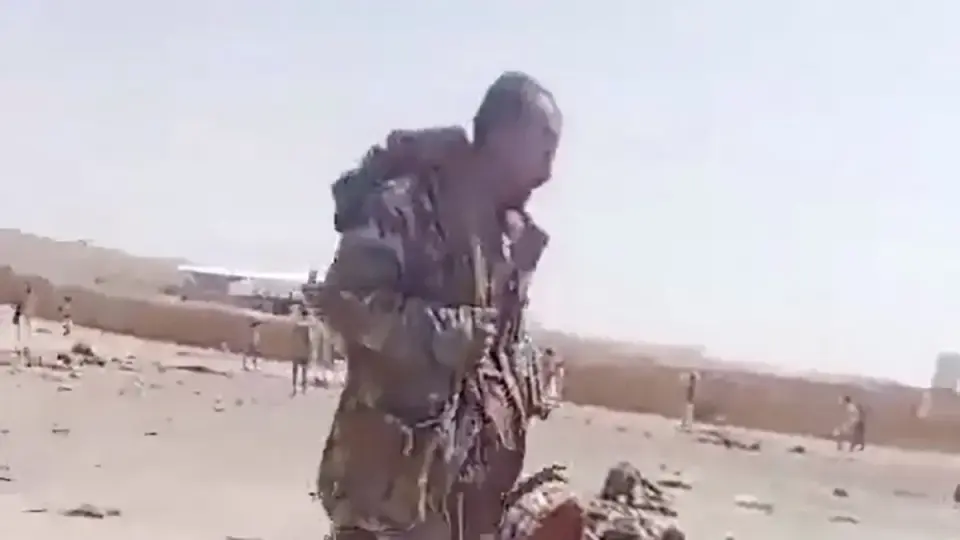
At least 53 people were killed and over 200 injured when Houthi forces launched three ballistic missiles at the al-Alam military camp in Shabwa, Yemen, on Monday. The strike occurred during a training exercise for new recruits, marking the deadliest single incident since hostilities resumed in September. Yemeni President Rashad al-Alimi condemned the attack as a 'cowardly terrorist act' and vowed a firm response, while Houthi spokespersons claimed the target was a 'Saudi-backed' base. The incident has intensified calls for the UN to designate the Houthis as a foreign terrorist organization and highlights the vulnerability of large troop concentrations to ballistic missile attacks.
Key points
- 53 killed, 200+ injured in Houthi ballistic missile strike on al-Alam camp in Shabwa, Yemen
- Attack occurred during a training exercise for new recruits, described as the deadliest since war reignited in September
- Yemeni President Rashad al-Alimi condemned attack as 'cowardly terrorist act' and vowed 'firm response'
- Houthis claimed responsibility, calling target a 'Saudi-backed' base and warning of continued strikes
- Al-Alimi called on UN to classify Houthis as foreign terrorist organization
Background
This attack follows a rapid escalation in Yemen's civil war since September 2026, when Houthis seized strategic Red Sea coast territory from government forces. The conflict reignited amid regional tensions from the US-Israel war on Iran. Previous Houthi strikes on Saudi Arabia, including Riyadh's airport and Aramco facilities, have prompted Saudi counteroffensives and US intervention debates. The Shabwa attack is the deadliest single incident since fighting resumed, with overall casualties in the thousands over the past month.
How outlets are covering it
Al Jazeera and The Guardian both report the 53 killed and 200+ injured, but The Guardian emphasizes the attack as the 'largest single loss of life' since the war reignited and notes an inquiry into troop exposure. Al Jazeera highlights the Houthi claim of targeting 'Saudi-backed' forces and the government's 'Dawn of Yemen' counteroffensive. The Las Vegas Review-Journal provides minimal detail, focusing on the ballistic missile aspect. All sources agree on the core facts but differ in emphasis: The Guardian stresses the humanitarian and military vulnerability aspects, while Al Jazeera focuses on the broader conflict dynamics and Houthi rhetoric.
Why it matters
The attack underscores the escalating lethality of Houthi ballistic missile capabilities and the vulnerability of government forces' training camps. It may accelerate UN classification of Houthis as a terrorist organization and intensify Saudi-led counteroffensives. The high casualty count among recruits could impact recruitment and morale, while the attack on Saudi infrastructure may further draw US involvement. The incident also highlights the humanitarian crisis in Yemen, with hospitals in Ataq pleading for blood donations.
What to watch
Yemeni government forces are expected to launch a 'firm response' as vowed by President al-Alimi. The UN envoy for Yemen, Hans Grundberg, is due in London to meet ministers on Tuesday, potentially discussing the Houthi terrorist designation. Houthi forces are likely to continue targeting Saudi-backed bases, while government forces may adjust troop concentrations to reduce vulnerability. The conflict may see further escalation as both sides intensify operations, with potential US involvement if Saudi infrastructure is further targeted.
- At least 18 killed in Houthi attack on military camp in Yemen’s Shabwa Al Jazeera
- Houthi attack kills 53 in biggest single loss of life since Yemen civil war reignited The Guardian
- Iran-backed Houthi rebels strike Yemen’s government forces, killing at least 53 Las Vegas Review-Journal
- Houthi Strikes Kill Dozens in Yemeni Desert Military Camp, Officials Say The New York Times
- Houthi attack kills 53 at Yemen government training camp, officials say Reuters
Want the full story? Read the original reporting
Read on Al Jazeera