
Rostov Terminal Fire Persists as Zelensky Announces End of Energy Ceasefire
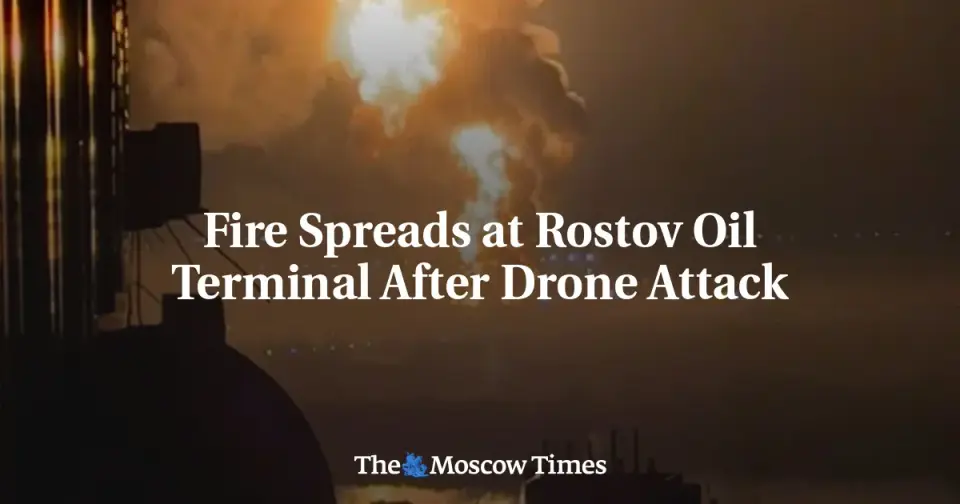
A fire at the Novoshakhtinsk oil terminal in Rostov-on-Don has entered its fourth day after a drone strike on October 10, with eight of twelve storage tanks now engulfed. Ukrainian President Volodymyr Zelensky has declared the 'energy ceasefire' with the US ended, citing a halt in intelligence sharing and Starlink restrictions. Meanwhile, Russian authorities reported shooting down over 160 drones in a separate overnight attack on the Rostov region.
Key points
- The fire at the Rostov oil terminal, formerly known as Yug Rusi, has spread to eight of its 12 storage tanks, which hold a combined 60,000 cubic meters of petroleum products.
- The facility, capable of handling 3.5 million metric tons of petroleum annually, serves both export logistics and military fuel supply.
- Zelensky told the Financial Times that the block on striking Russian refineries is over, blaming the US for withdrawing intelligence support and restricting Starlink military services.
- Rostov Governor Yury Slyusar reported that more than 160 drones were shot down over Kamensk-Shakhtinsky and eight districts overnight on Wednesday, though no casualty figures were provided.
- The initial strike occurred before the US-requested 'energy ceasefire' began on October 11, but the ongoing fire and new drone activity signal a resumption of hostilities.
Background
This incident follows a sustained Ukrainian campaign targeting Russian energy infrastructure, which had already knocked half of Russia's refining capacity offline by August 2026. Previous strikes on the Rostov terminal and other facilities like Ust-Luga have contributed to a fuel crisis in Russia, with gasoline and diesel prices rising 20% since early 2026. The current flare-up occurs amid diplomatic tensions between Washington and Kyiv over US President Donald Trump's push for an energy pause and his recent deal to purchase Russian diesel.
How outlets are covering it
The Moscow Times focuses on the physical damage and ongoing fire at the Rostov terminal, noting that authorities had not announced the blaze was extinguished as of Wednesday morning. CNN and the Financial Times emphasize the diplomatic rupture, highlighting Zelensky's public declaration that the energy ceasefire is over due to perceived US betrayal, including the suspension of intelligence sharing and Starlink restrictions. While The Moscow Times reports on the immediate aftermath of the October 10 strike, CNN details the broader context of US pressure on Ukraine to halt strikes and the subsequent Ukrainian decision to resume attacks, framing it as a response to US actions that favored Moscow.
Why it matters
The resumption of strikes on Russian energy infrastructure threatens to escalate the conflict and disrupt global energy markets. The collapse of the 'energy ceasefire' signals a breakdown in US-Ukraine relations, potentially leaving Kyiv without critical intelligence support against Russian missile attacks. Furthermore, continued damage to Russian refining capacity could exacerbate fuel shortages and price volatility within Russia and globally, while the Starlink restrictions raise concerns about the reliability of military communications for Ukrainian forces.
What to watch
Expect further Ukrainian strikes on Russian oil refineries and energy infrastructure as Zelensky has officially ended the pause. Monitor for any official confirmation from Moscow regarding the 'energy ceasefire' or its status. Watch for developments in US-Ukraine relations, particularly regarding intelligence sharing and Starlink access, as well as any potential retaliatory actions from Russia against Ukrainian energy or civilian infrastructure.
- Fire Spreads at Rostov Oil Terminal After Drone Attack The Moscow Times
- Ukraine to resume strikes on Russia’s oil refineries, Zelensky tells FT CNN
- Ukraine to resume strikes on Russian refineries, Zelenskyy says Financial Times
- Ukraine to Resume Russia Oil Refinery Strikes, FT Reports Bloomberg.com
- Russia claims new Ukrainian attacks on oil refineries, Zelenskyy's office calls it a fake Українська правда
Want the full story? Read the original reporting
Read on The Moscow Times