
Saudi Coalition Intercepts Missile as Fighting Intensifies in Yemen's Al-Jawf
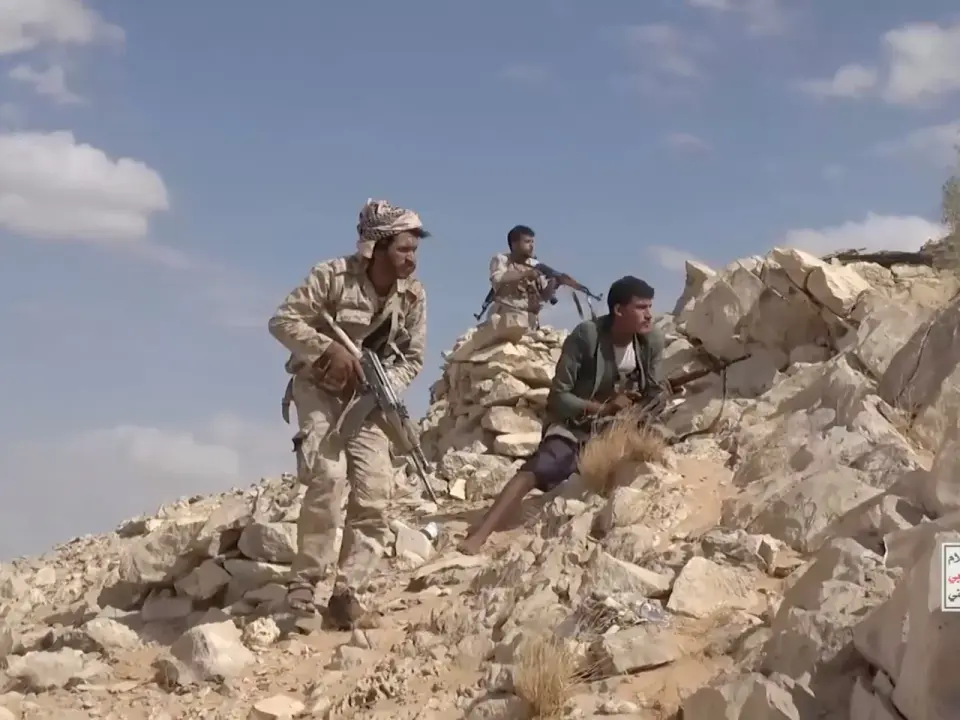
The Saudi-led coalition intercepted a ballistic missile targeting its southern region on Monday, following a drone strike the previous evening. Simultaneously, Houthi-affiliated media reported that seven people were wounded in coalition airstrikes on Hodeidah. In northern Yemen, government forces continue their offensive in al-Jawf, claiming to have killed approximately 500 Houthi fighters and destroyed 170 pieces of equipment in 24 hours. Meanwhile, the ongoing siege of Taiz has led to the closure of 120 health centers, prompting calls for urgent humanitarian aid.
Key points
- Saudi coalition spokesman Major General Turki al-Maliki confirmed the interception and destruction of a ballistic missile and a drone aimed at Saudi Arabia's southern region.
- Houthi media reported that seven people were injured in coalition airstrikes on Hodeidah, with four wounded at Ras Isa port and three at an oil facility in Bajil district.
- Yemeni government forces conducted 1,272 targeting operations in al-Jawf, Marib, and al-Bayda, claiming the deaths of roughly 500 Houthi fighters and the destruction of 170 vehicles or weapons.
- The siege of Taiz has caused 120 health centers to cease operations and 66 more to near closure, with 23 trucks damaged or overturned in recent attempts to deliver supplies.
- Saudi Civil Defence issued and then lifted alerts for Abha and surrounding provinces, warning residents against sharing information related to missile and drone attacks.
Background
This escalation follows a significant increase in hostilities since September, when Houthi forces made gains on the Red Sea coast. The current fighting is part of the government's 'Operation Dawn of Yemen,' launched to regain control of territories held by the Houthis since they seized the capital Sanaa in 2014. Recent months have seen a pattern of Houthi missile and drone attacks on Saudi infrastructure, including airports and oil facilities, which the coalition has consistently intercepted. The conflict has also led to a regional security summit involving Saudi Arabia, Turkey, and Pakistan, and has contributed to rising oil prices due to fears of supply disruptions.
Why it matters
The continued exchange of fire between the Saudi-led coalition and the Houthis threatens regional stability and global energy markets. The humanitarian situation in Yemen is worsening, with the siege of Taiz severely impacting access to medical care and food for a population of one million. The inability to independently verify claims from either side highlights the opacity of the conflict and the challenges in assessing its true scale and impact.
What to watch
The Saudi-led coalition is expected to continue its defensive operations and airstrikes against Houthi targets. Government forces will likely persist in their campaign to retake positions in al-Jawf and other northern governorates. The humanitarian crisis in Taiz may intensify if the siege is not lifted, potentially leading to further international calls for aid. The situation remains volatile, with the potential for further escalation if Houthi attacks on Saudi infrastructure continue.
- Saudi-led coalition intercepts a missile as fighting rages in Yemen’s al-Jawf Al Jazeera
- Iran war updates: Houthis target Riyadh as coalition intercepts missiles Al Jazeera
- Saudi-led coalition says it downs drone over oil-rich Eastern Region Reuters
- Are the Houthis attacking Mecca and Medina? Saudi claims ignite battle over Islam's holiest cities Ynetnews
- Ballistic missile and UAV, fired by Houthi militia, intercepted over southern region Saudi Gazette
Want the full story? Read the original reporting
Read on Al Jazeera