
UK Jury Convicts Four Men in Historic Drug-Facilitated Rape Case
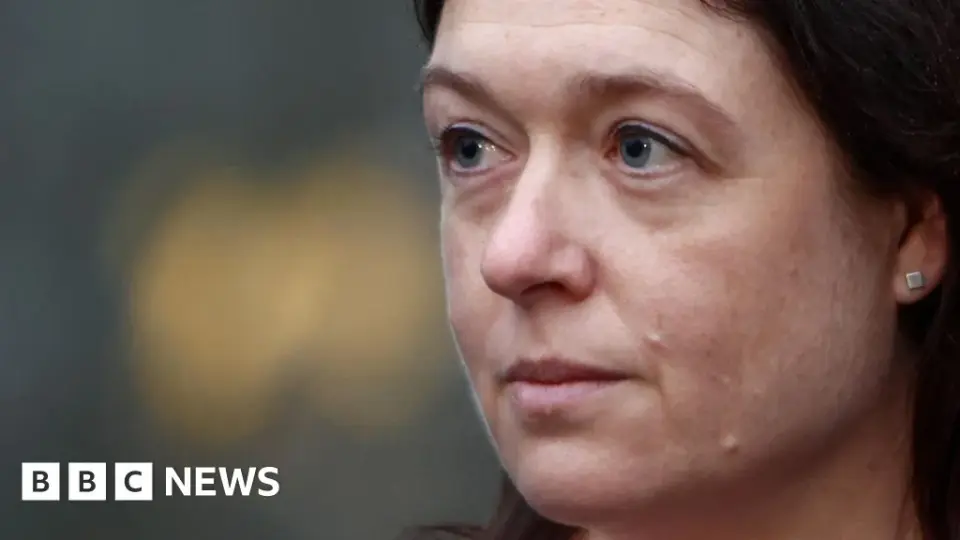
Four men were convicted on Thursday of sexually abusing Joanne Young, a woman whose husband drugged her and arranged for strangers to rape her over 13 years. The verdict marks the first time in England a jury has convicted multiple defendants in a drug-facilitated sexual assault case. Philip Young, a former local official in Swindon, pleaded guilty to 48 offenses, including 11 counts of rape. The case has triggered a wave of public solidarity, with women gathering outside Winchester Crown Court in a show of support reminiscent of the Gisèle Pelicot trial in France. Experts describe this as a resurgence in collective action against sexual violence, while survivors and advocates call for stricter consent laws and better support systems.
Key points
- Norman Macksoni, Richard Wilkins, Connor Sanderson-Doyle, and Mohammed Hassan were found guilty of multiple sexual offences against Joanne Young at Winchester Crown Court.
- Wilkins and Macksoni were specifically convicted of rape, while all four men faced charges related to the abuse of Young while she was incapacitated by drugs.
- Philip Young, Joanne’s husband, pleaded guilty to 48 offenses, including 11 counts of rape, spanning 13 years at their home in Swindon, Wiltshire.
- Philip Young used platforms like Craigslist, Grindr, and Fab Swingers to arrange for men to visit the couple’s home without Joanne’s knowledge or consent.
- Joanne Young waived her right to anonymity, allowing her story to be shared publicly, which inspired widespread support from women across the UK.
- The case is the first in England where a jury has convicted multiple defendants in a drug-facilitated sexual assault case, according to The New York Times.
Background
The Joanne Young case follows a series of high-profile drug-facilitated sexual assault cases in the UK, including the Gisèle Pelicot trial in France and the Russell Brand conviction in England. In November 2026, Russell Brand was convicted of rape and sexual assault, sparking broader debates on consent laws and the treatment of survivors in the criminal justice system. Additionally, Laura Bishop waived her anonymity in November 2026 to expose uncaught men in her husband’s drug-facilitated rape network, highlighting ongoing challenges in prosecuting such crimes. These cases have collectively intensified public discourse on the prevalence of drug-facilitated sexual violence and the need for systemic reforms.
How outlets are covering it
The BBC emphasized the emotional and symbolic significance of the public support for Joanne Young, framing it as a 'resurgence in solidarity' among women. The New York Times focused on the legal precedent set by the case, noting it as the first time in England a jury has convicted multiple defendants in a drug-facilitated sexual assault case. The Guardian, through survivor Zoe Watts, highlighted the personal and systemic failures in supporting survivors, contrasting the current outpouring for Joanne Young with the lack of support she received after her own case. Watts also called for stricter consent laws and better education, while the BBC and other outlets highlighted the role of social media and public campaigns in amplifying survivor voices. The perspectives differ in emphasis: the BBC and Guardian focus on the emotional and social impact, while The New York Times highlights the legal and procedural significance.
Why it matters
The conviction of four men in the Joanne Young case marks a significant legal and social milestone in the UK, setting a precedent for prosecuting drug-facilitated sexual assault. It highlights the need for stronger consent laws, better support for survivors, and accountability for platforms that enable such crimes. The case has also sparked a broader conversation about the prevalence of drug-facilitated sexual violence and the importance of public solidarity in supporting survivors. As advocates call for systemic reforms, the case underscores the ongoing challenges faced by survivors in the criminal justice system and the need for greater awareness and education on consent.
What to watch
Sentencing for the four convicted men is expected in the coming weeks, with Philip Young’s sentence to be determined separately. Advocates are pushing for changes to consent laws and better education on consent in schools. The case may also lead to increased scrutiny of platforms that host non-consensual content, with calls for stricter accountability. Additionally, the outpouring of support for Joanne Young may inspire further public campaigns and advocacy efforts, potentially leading to broader systemic reforms in the UK’s approach to sexual violence and domestic abuse.
- Joanne Young: 'Resurgence of solidarity' by women in husband drug-rape case BBC
- 4 British Men Convicted of Sexually Assaulting Woman Drugged by Husband The New York Times
- I, too, was raped by my partner while drugged and unconscious. There are more survivors than you think | Zoe Watts The Guardian
- No one asked for my consent, woman in UK drug rape case like Pelicot's says Reuters
- Calls for consent defence change after Joanne Young rape case BBC
Want the full story? Read the original reporting
Read on BBC