
Former arsonist Daniel Levy pleads guilty to murdering friend in Vauxhall
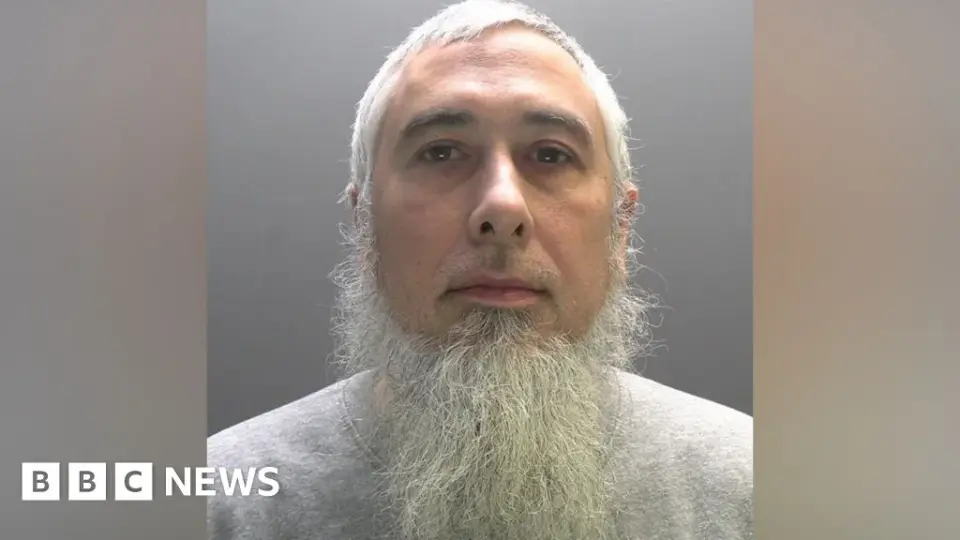
Daniel Levy, 48, has pleaded guilty to the murder of Abdul Kaleem Shaik, 41, at a flat in Vauxhall, south London. Levy, who has schizophrenia and was previously convicted of killing his grandmother by stabbing and arson in 2000, admitted to stabbing Shaik in the neck on New Year's Eve. He subsequently walked into a police station on January 1, stating 'it's happened again.' Levy initially denied the charge, citing his mental health, but changed his plea before trial to avoid public scrutiny. He had been released from a secure mental health unit in 2013 after expressing thoughts of harming his parents and was required to receive supervised medication injections.
Key points
- Levy stabbed Shaik in the neck at his home in Vauxhall on New Year's Eve or early January 1.
- Levy walked into Bishopsgate Police Station on January 1 and confessed, saying 'it's happened again.'
- Levy previously killed his grandmother in 2000 by stabbing and setting her on fire, resulting in a manslaughter conviction.
- Levy changed his plea from not guilty to guilty before trial, stating he did not want his personal information publicized.
- Levy had been recalled to a secure mental health unit in 2013 after expressing thoughts of harming his parents.
Background
This case follows a pattern of severe violent crimes linked to mental health issues and prior convictions, as seen in recent archive coverage of serial killers and arson-related murders. The 2026 Michigan arson-murder case and the serial killer James Desborough case highlight ongoing concerns regarding the management of individuals with histories of violence and mental health conditions. Levy's history of absconding from secure units and skepticism toward medication adds a layer of complexity to his release and subsequent reoffending.
How outlets are covering it
BBC and AOL.co.uk (via Mirror UK) agree on the core facts: the victim's identity, the location, the plea change, and the 2000 prior conviction. However, AOL.co.uk provides more detail on Levy's motive, stating he believed he was helping Shaik by killing him to secure his passage to heaven due to Shaik's depression. BBC focuses more on the procedural aspects, such as the plea change and the judge's fitness assessment. Both sources note Levy's schizophrenia and the supervised medication regime, but AOL.co.uk emphasizes his skepticism about the need for medication, while BBC highlights the 2013 recall to hospital due to thoughts of harming his parents.
Why it matters
This case raises significant questions about the effectiveness of mental health supervision and medication compliance for individuals with a history of violent crime. Levy's decision to plead guilty to avoid public scrutiny highlights the tension between privacy and transparency in high-profile criminal cases. The incident also underscores the challenges in managing the release of individuals with severe mental health conditions and prior violent offenses, potentially impacting policy discussions around indefinite hospital orders and community supervision.
What to watch
Levy will face sentencing at the Old Bailey. The court will likely consider his prior convictions, the circumstances of the murder, and his mental health status. There may be further discussions about the adequacy of his previous supervision and medication regime. The case could also prompt reviews of protocols for monitoring individuals with a history of violence and mental health issues.
Want the full story? Read the original reporting
Read on BBC