
Coordinated hoax bomb threats disrupt European aviation and media, prompting NATO response
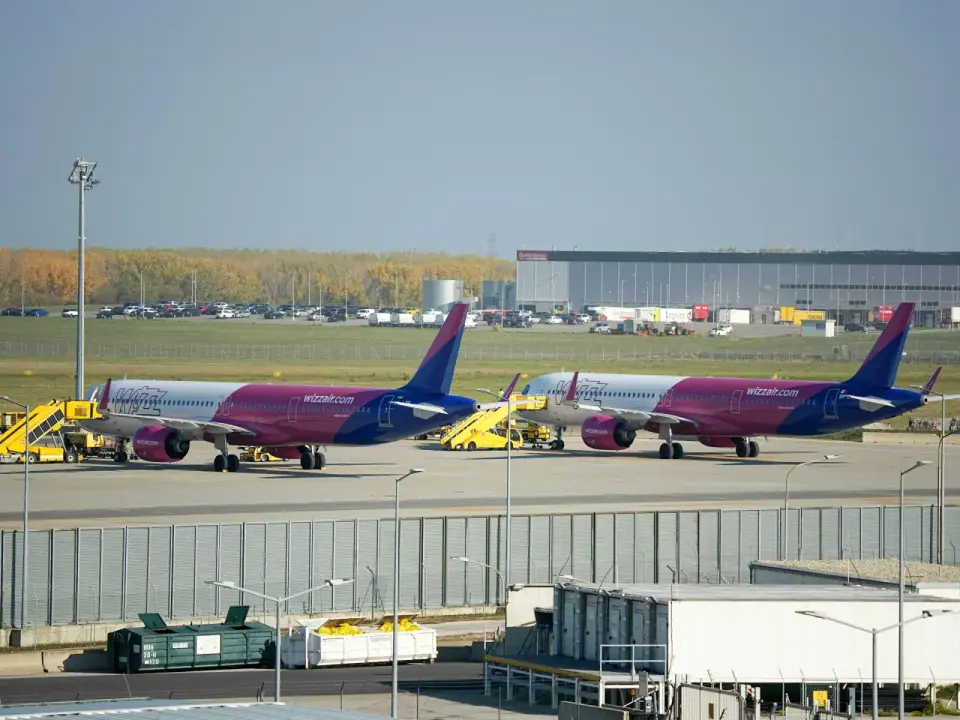
A coordinated series of hoax bomb threats has disrupted air traffic and targeted media outlets across Europe, forcing fighter jet escorts and staff evacuations. While no explosives were found, officials describe the incidents as potential hybrid warfare, with NATO now monitoring the situation.
Key points
- At least 18 flights were disrupted on Friday, following earlier waves that affected over 35 aircraft across 16 countries.
- Threats targeted broadcasters including Sky, RTE, and Nova TV, with one email signed by a purported 'Mikhail Andropov' warning of further attacks.
- Hungarian authorities scrambled fighter jets to escort civilian flights, and NATO ordered an air patrol near the Hungarian-Romanian border.
- No explosives were found in any incident, but the coordinated nature has raised concerns about hybrid aggression and psychological warfare.
- Investigations are ongoing, with no confirmed link to state actors like Russia or Iran, though some threats referenced the far-right 'Male State' group, which denied involvement.
Background
This is the latest in a series of coordinated hoax bomb threats targeting European aviation and infrastructure since early November 2026. Earlier waves on Tuesday and Thursday forced diversions and searches, with no explosives found. The incidents have raised concerns about hybrid warfare, particularly amid cyberattacks on supermarket refrigeration systems and France's blood service. The 'Male State' group, a Russian far-right movement, was named in some threats but denied involvement, and its founder stated the group ceased operations in 2021.
How outlets are covering it
Al Jazeera emphasizes the expansion of threats to media outlets and the potential link to cyberattacks, citing Italian PM Giorgia Meloni. The Guardian highlights the scale of disruption, noting that 18 flights were affected on Friday, and quotes Irish Taoiseach Micheál Martin on the ease of causing societal disruption. The BBC focuses on the operational challenges for airlines, noting that while the incidents are a small percentage of total flights, they pose a serious security challenge. All sources agree that no explosives were found, but they differ on the attribution: Al Jazeera and The Guardian suggest a coordinated campaign, while the BBC notes the lack of credible intelligence on the perpetrators. The Guardian also highlights the denial by the 'Male State' group, while Al Jazeera does not mention this group.
Why it matters
The coordinated nature of the threats, targeting both aviation and media, has raised concerns about hybrid warfare and the vulnerability of civilian infrastructure. The involvement of NATO and the potential for further disruptions underscore the need for enhanced security measures and international cooperation to address such threats.
What to watch
European security agencies are expected to continue investigating the incidents, with a focus on identifying the perpetrators and preventing further disruptions. Airlines and airports will likely maintain heightened security protocols, and NATO may continue to monitor the situation. The lack of a confirmed link to state actors or a specific group means that the threat could persist, requiring ongoing vigilance and adaptation to evolving tactics.
- New bomb threats target European broadcasters, air traffic Al Jazeera
- Further bomb threats disrupt at least another 18 flights across Europe The Guardian
- European flights and broadcasters are targeted with another wave of bomb threats SFGATE
- Newsroom bomb threats follow escalating European flight hoaxes Reuters
- Spate of bomb threats poses serious challenge to airline industry BBC
Want the full story? Read the original reporting
Read on Al Jazeera