
Thousands of Public Figures Sign Letter Rejecting 'Genocide' Label for Israel
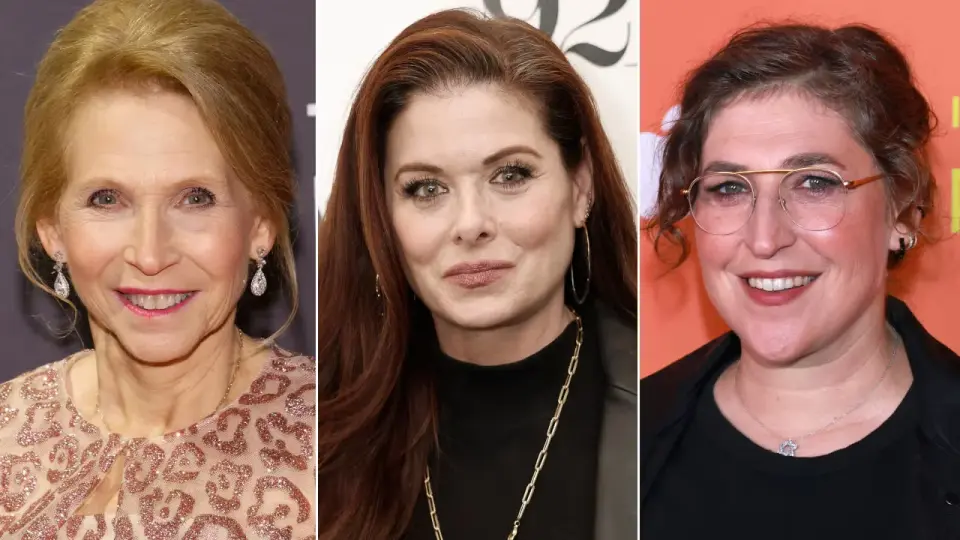
A coalition of over 5,000 individuals, including prominent Hollywood figures and political leaders, has signed an open letter rejecting the characterization of Israel's actions in Gaza as genocide. The letter, authored by Yossi Klein Halevi and others, argues that the term is a 'blood libel' that fuels antisemitism. Signatories include Shari Redstone, Debra Messing, and Boris Johnson. The initiative, backed by the Creative Community for Peace, coincides with a broader campaign called 'Gaza GenoLIE' that challenges the legal definition of genocide.
Key points
- The open letter, released by the Creative Community for Peace, claims to have over 5,000 signatures from entertainment, academic, and political figures.
- Notable signatories include former Paramount executives Shari Redstone and Sherry Lansing, actors Debra Messing and Mayim Bialik, and former UK Prime Minister Boris Johnson.
- The letter argues that the term 'genocide' requires specific intent to destroy a group, a standard it claims Israel does not meet, and labels the accusation a 'blood libel.'
- The 'Gaza GenoLIE' campaign, supported by over 100 organizations, has launched a Times Square billboard and a website to counter the genocide narrative.
- The letter acknowledges legitimate debate over Israel's war conduct but insists it should not be conflated with the legal charge of genocide.
Background
This development follows a series of high-profile cultural and political disputes regarding the Israel-Gaza conflict. In late August 2026, a rival open letter supported by figures like Roger Waters and Annie Ernaux urged the Venice Film Festival to support Palestine. Additionally, in September 2026, actor Mark Ruffalo faced backlash for posts perceived as antisemitic, leading to a split in Hollywood with some figures signing letters in his defense while others, like those in the current letter, condemned the 'genocide' label. The current letter is part of a broader effort to counter narratives that the signatories view as fueling global antisemitism, which they note reached record levels in the US in 2025.
How outlets are covering it
TheWrap and the Creative Community for Peace emphasize the breadth of the coalition, highlighting the participation of major Hollywood figures and international political leaders to counter what they describe as a dangerous 'blood libel.' The Jerusalem Post frames the issue as a battle over Israel's legitimacy, arguing that the 'genocide' accusation is a modern form of antisemitic rhetoric that delegitimizes the Jewish state. The Oberlin Review, while not providing a detailed counter-argument in the provided text, represents the academic and student perspective that often engages with these debates, though its specific stance is not detailed in the source. The sources differ in their emphasis: TheWrap focuses on the celebrity signatories, while the Jerusalem Post and the Creative Community for Peace focus on the legal and historical arguments against the term 'genocide.'
Why it matters
The letter highlights the deep polarization in public discourse regarding the Israel-Gaza conflict, particularly within the entertainment and political spheres. It underscores the ongoing debate over the use of the term 'genocide' and its perceived impact on antisemitism. The involvement of high-profile figures and the launch of a public campaign like 'Gaza GenoLIE' indicate that the conflict is extending beyond military and diplomatic arenas into cultural and legal battlegrounds, influencing public opinion and policy discussions.
What to watch
The Creative Community for Peace and the Gaza GenoLIE campaign are expected to continue their efforts to counter the 'genocide' narrative through public campaigns, media outreach, and engagement with policymakers. The response to the open letter, including potential counter-letters or public statements from those who support the 'genocide' characterization, will likely shape the ongoing debate. The campaign's visibility, including the Times Square billboard, suggests a sustained effort to influence public perception and legal discourse.
- Shari Redstone, Debra Messing and More Sign Open Letter Saying Israel Isn't Committing Genocide thewrap.com
- More Than 5,000 Leaders Across Entertainment, Academia and Public Life Unite to Reject “Genocide” Accusation Against Israel Creative Community for Peace
- Prominent Jews among thousands to sign letter rejecting genocide charge against Israel The Times of Israel
- Gaza GenoLIE: The campaign fighting “a modern blood libel” jpost.com
- Never Again: Condemning Genocide and Rejecting Antisemitism The Oberlin Review
Want the full story? Read the original reporting
Read on thewrap.com