
From Maritime Sealant to Culinary Icon: The Rise of Finnish Pine Tar
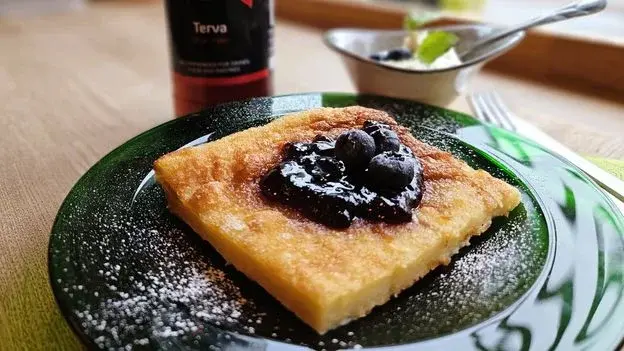
Pine tar, once used in Finland to waterproof ships and treat wounds, has transformed into a popular culinary ingredient. Originating in the historic tar-exporting port of Oulu, the smoky substance now flavors everything from ice cream and chocolate to bread and schnapps. This shift reflects a broader Finnish interest in regional heritage cuisine, turning a traditional industrial byproduct into a symbol of local identity and nostalgia.
Key points
- Oulu, Finland, was the world's largest tar-exporting port by the 1860s, utilizing pine tar for waterproofing wooden sailing ships.
- Pine tar was historically used as a natural wound treatment, with a Finnish saying suggesting that if sauna, spirits, and tar did not help, a disease was fatal.
- Tar entered the Finnish palate through medicinal lozenges and sweets in the early 1900s, with the iconic Terva Leijona pastille launched in 1933.
- The transition from medicinal use to gourmet cuisine occurred in the late 20th century, driven by rising living standards and a growing interest in cultural memory.
- Modern applications include tar-flavored ice cream, chocolate, bread, and high-end dishes like smoked whitefish pasta with tar pearls at Oulu's Lasaretti restaurant.
Background
This development follows a broader trend in Nordic countries where traditional, often overlooked ingredients are being reimagined as premium culinary products. While earlier coverage in our archive focused on the social aspects of dining, such as the joy of eating alone, this story highlights how regional history and industrial heritage can drive modern food innovation. The resurgence of pine tar mirrors similar trends in other European regions where local identity is increasingly expressed through unique, heritage-based flavors.
Why it matters
The evolution of pine tar from a utilitarian substance to a culinary staple illustrates how cultural heritage can drive economic and gastronomic innovation. It demonstrates the power of regional identity in shaping national food trends and provides a model for other communities seeking to monetize and preserve their historical assets through modern food culture.
What to watch
Expect continued expansion of pine tar products across Finland and potentially into international markets as interest in heritage cuisine grows. Chefs and producers may continue to experiment with new applications, pushing the boundaries of how this traditional ingredient can be used in both sweet and savory dishes.
Want the full story? Read the original reporting
Read on BBC