
U.S. Plans Afghan Deportations via Pakistan Amid Safety Fears
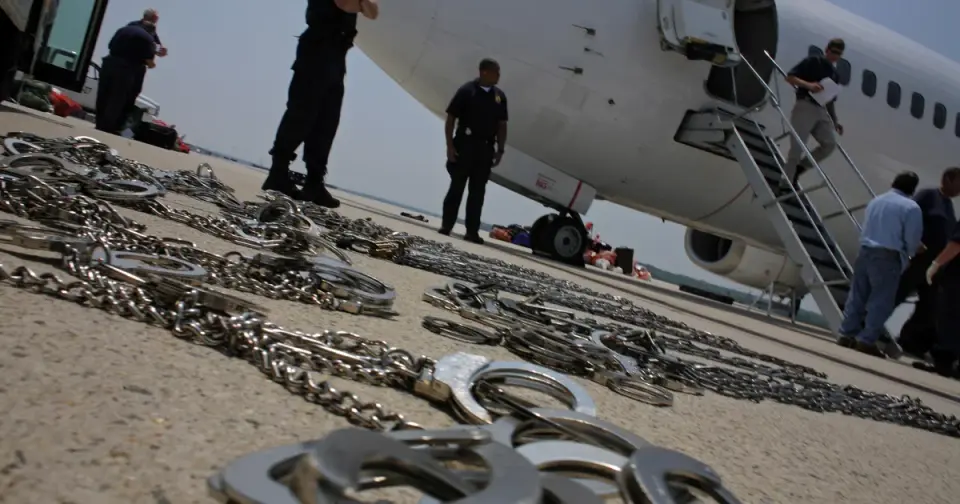
The Trump administration is planning to deport nearly 200 Afghan nationals from U.S. custody to Pakistan, with the intent of transferring them to Taliban-controlled Afghanistan. This move has triggered alarms among advocates and lawmakers who warn that deportees, many of whom are former U.S. allies, face severe persecution. The U.S. lacks diplomatic relations with the Taliban, making direct deportation impossible, so it is using Pakistan as an intermediary. Critics argue this violates international norms and betrays past promises to Afghan allies, while the administration cites operational security and third-country agreements. The plan has faced legal challenges and public outcry, with 66 members of Congress urging the cancellation of the flights.
Key points
- The Trump administration plans to deport nearly 200 Afghan nationals from U.S. custody to Pakistan, with the intent of transferring them to Taliban-controlled Afghanistan.
- The U.S. lacks diplomatic relations with the Taliban, making direct deportation impossible, so it is using Pakistan as an intermediary.
- Advocates and lawmakers warn that deportees, many of whom are former U.S. allies, face severe persecution in Afghanistan.
- The plan has faced legal challenges and public outcry, with 66 members of Congress urging the cancellation of the flights.
- The administration cites operational security and third-country agreements, while critics argue the move violates international norms and betrays past promises to Afghan allies.
Background
The U.S. suspended operations at its Kabul embassy in 2021 and does not have official diplomatic relations with the current Taliban government, which complicates any efforts to deport people directly to Afghanistan. Most Afghans who arrived in the U.S. in recent years came after the 2021 fall of Kabul, either through a Biden administration-era resettlement effort or through their own means. The Trump administration has made agreements with at least 35 countries to take in third-country nationals, in many cases because it cannot send them back to their home countries for fear they would be tortured, killed, or otherwise persecuted. Critics of the practice say it undermines decades of global humanitarian norms around asylum seeker and refugee protection.
How outlets are covering it
CBS News reports that the Trump administration has made plans to deport nearly 200 Afghan nationals by first sending them to Pakistan, where officials would then return the deportees to Taliban-controlled Afghanistan. The plan has triggered alarm among advocates for Afghans, who warn that the proposal could lead to the deportation of Afghans who could be persecuted by the Taliban because of the connections they or their relatives had to the U.S. war effort in Afghanistan. Al Jazeera reports that a group of 66 lawmakers in the United States has written to the administration of President Donald Trump asking it to halt a planned mass deportation of Afghans, including some who worked alongside coalition forces in Afghanistan before the military withdrawal in 2021. The lawmakers cited advocacy group reports that at least 150 Afghans were scheduled to be deported from Tuesday – flown from detention facilities in Louisiana to Pakistan. The Associated Press news agency also reported that Department of Homeland Security (DHS) officials had said in court filings that they eventually planned on returning some of the Afghans to their home country. The U.S. does not have diplomatic relations with Afghanistan, which has been governed by the Taliban since US troops withdrew in August 2021. Critics of the practice say it undermines decades of global humanitarian norms around asylum seeker and refugee protection. They say deportees often end up in countries with a record of human rights abuses, or places that are so dangerous the US tells its own citizens not to travel there. The Trump administration has forcibly sent at least 25,000 people to third countries, according to a tally by nonprofits Refugees International and Human Rights First. Human Rights First said it has confirmed that a flight carrying some of the Afghans from Alexandria, Louisiana, to Pakistan is scheduled for Tuesday. Rights advocates say the batch of deportations to Pakistan may also include Iranians, small numbers of whom the Trump administration has previously sent to third countries to eventually be returned to Iran, despite the ongoing war the US is waging on the country. Pakistan has deported millions of Afghans to Afghanistan in recent years, as relations with the Taliban have deteriorated. Most of the Afghans scheduled for deportation did not have the opportunity to properly fight their removal in court, Shawn VanDiver, founder and president of the AfghanEvac advocacy group, said. VanDiver said he spoke to one man on Monday, a former police officer in the Afghan government toppled by the Taliban, who expected to be deported and feared for his life if he ended up back in Afghanistan. Others, VanDiver said, had also either worked in the Afghan government or with the US, or had family that did so, and would be in danger in Afghanistan. Since taking office, Trump has attempted to put an end to resettlement programmes for Afghans started by former President Joe Biden. More than 120,000 Afghans were evacuated from Afghanistan in 2021 after the chaotic withdrawal of US forces. Some ended up in facilities abroad, like in Qatar. This September, the US granted a nine-month extension for Camp As Sayliyah, a facility in Qatar housing more than 1,000 Afghans who assisted US forces in Afghanistan. Afghans evacuated to the US were initially granted humanitarian parole, allowing them to stay in the country. In 2022, the Biden administration granted them Temporary Protected Status for 18 months, allowing them to live and work legally in the US after their parole period expired, and while their immigration status was resolved. But since then, few Afghans in the US have been able to move their applications for asylum, or other special protected status relating to their work with coalition forces, through the severely backlogged immigration system. VanDiver said he and other advocates have been pushing for new legislation that would provide Afghans protection in the US, including a bill – co-sponsored by both Republican and Democratic lawmakers – that would grant many Temporary Protected Status after the Trump administration withdrew it.
Why it matters
The planned deportation of Afghans through Pakistan raises significant questions about whether Pakistani authorities have agreed to receive the deportees and which government would ultimately oversee their transportation to Afghanistan. The move has triggered alarms among advocates and lawmakers who warn that deportees, many of whom are former U.S. allies, face severe persecution in Afghanistan. The U.S. lacks diplomatic relations with the Taliban, making direct deportation impossible, so it is using Pakistan as an intermediary. Critics argue this violates international norms and betrays past promises to Afghan allies, while the administration cites operational security and third-country agreements. The plan has faced legal challenges and public outcry, with 66 members of Congress urging the cancellation of the flights. The move also highlights the broader issues of third-country deportations and the lack of diplomatic relations between the U.S. and the Taliban, which complicate efforts to deport people directly to Afghanistan.
What to watch
The Trump administration is expected to proceed with the planned deportation of Afghans through Pakistan, despite the legal challenges and public outcry. The administration has cited operational security and third-country agreements, while critics argue the move violates international norms and betrays past promises to Afghan allies. The plan has faced legal challenges and public outcry, with 66 members of Congress urging the cancellation of the flights. The administration is expected to continue its crackdown on immigration, including the use of third-country agreements to deport people to countries where they may face persecution. The move also highlights the broader issues of third-country deportations and the lack of diplomatic relations between the U.S. and the Taliban, which complicate efforts to deport people directly to Afghanistan.
- ICE planning to deport Afghans through Pakistan, official says, prompting fears for their safety CBS News
- Advocates warn Afghans deported by U.S. will face 'certain death' under Taliban PBS
- U.S. to Send Dozens Back to Afghanistan, Despite Risk of Persecution The New York Times
- US lawmakers ask Trump administration to stop deportation of Afghans Al Jazeera
- Taliban Concerned Amid Reports Of US Deportation Of Afghans Via Pakistan Radio Free Europe/Radio Liberty
Want the full story? Read the original reporting
Read on CBS News