
Europe’s Supermarkets Face Second Wave of Fridge Hacks, Spoiling Food Across Seven Nations
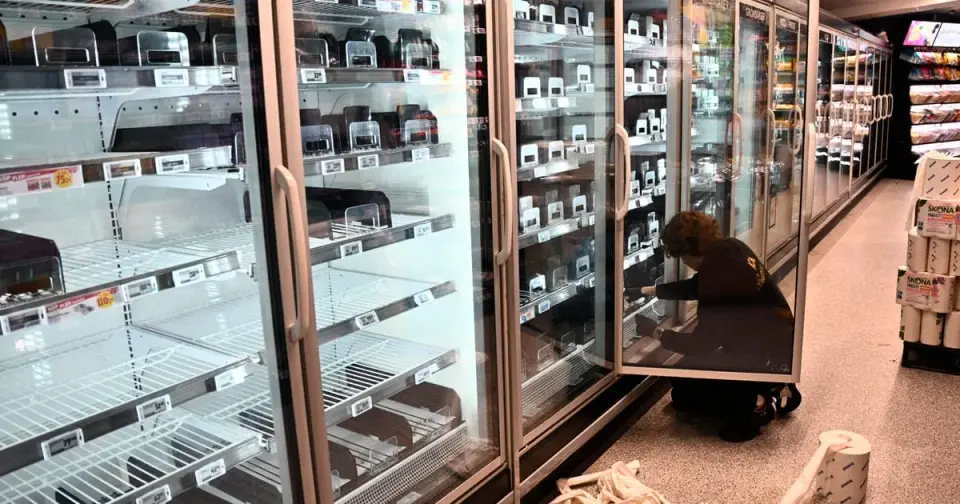
A coordinated cyberattack disrupted refrigeration systems in supermarkets across seven European countries on November 2, 2026. Attackers remotely raised temperatures to 50°C, spoiling food and forcing temporary closures. This incident follows a similar attack on French stores in October, highlighting persistent vulnerabilities in internet-connected industrial hardware.
Key points
- Incidents affected supermarkets in Belgium, Sweden, Ireland, Luxembourg, Estonia, and the Netherlands, with some reports including Finland.
- Refrigerator temperatures spiked to 50°C (122°F), causing significant food waste and temporary store closures.
- The attack mirrors October incidents in France, where hackers targeted legacy software from Danish manufacturer Danfoss.
- No group has claimed responsibility, but experts suspect state-sponsored actors or copycat hackers due to the lack of ransom demands.
- The European Commission condemned the attacks as deliberate attempts to disrupt food supply chains and undermine consumer confidence.
Background
In mid-October 2026, a cyberattack targeted over 400 French supermarkets, causing fridges to overheat and spoiling millions of euros worth of food. The breach exploited vulnerabilities in software from Danish firm Danfoss, leading to fires and significant financial losses. European authorities warned that the weaponization of food supply chains had become a reality, prompting calls for better security in industrial hardware.
How outlets are covering it
While all outlets confirm the widespread impact, they differ on attribution and scope. POLITICO and NBC News emphasize the repetition of the French attack, noting that many retailers failed to patch systems despite prior warnings. The Guardian highlights the potential for state-sponsored sabotage, citing Russian or Chinese actors, while also noting the simplicity of the hack. BBC focuses on the immediate financial losses, such as a single Belgian store losing €100,000 in produce. Cybersecurity experts cited by POLITICO and The Guardian disagree on the attacker’s identity, with some suggesting a copycat and others pointing to state actors.
Why it matters
The attacks expose critical vulnerabilities in the internet-connected infrastructure of essential services. By targeting food supply chains, hackers can cause immediate economic damage and public panic. The recurrence of these attacks despite prior warnings indicates a failure in industrial cybersecurity practices, raising concerns about the resilience of critical infrastructure against future disruptions.
What to watch
Authorities in affected countries are coordinating through the EU-Cyclone network to share information and investigate the incidents. Retailers are expected to accelerate patching of refrigeration systems, though some may face operational challenges. The European Commission is likely to issue further guidance on securing industrial hardware, while cybersecurity firms will monitor for additional waves of attacks. No immediate resolution is expected, as the root cause remains under investigation.
- Europe’s supermarkets hit by new wave of cyberattacks targeting fridges POLITICO.eu
- Shop freezers in seven European countries hit by cyber-attack BBC
- New cyberattack on supermarket fridges sweeps across Europe Reuters
- Supermarkets across Europe hit by new fridge cyberattacks NBC News
- Who is hacking Europe’s supermarket fridges and freezers, and why? The Guardian
Want the full story? Read the original reporting
Read on POLITICO.eu