
US Shifts to Uncrewed Systems in Hormuz Amid Heavy Drone Losses
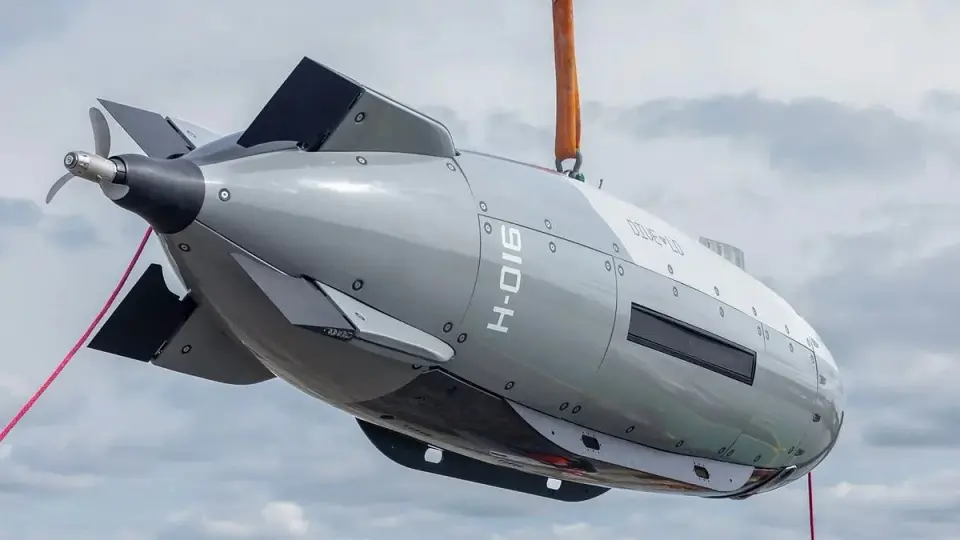
The US military is increasingly relying on uncrewed aircraft and vessels to maintain presence in the Strait of Hormuz, a shift driven by significant losses of high-value manned and uncrewed assets. While Iran has successfully downed numerous US drones, including MQ-9 Reapers, the US has deployed autonomous systems like the Dive-LD and Saildrone Voyager to ensure safe passage for commercial shipping. This strategy has helped prevent the capture of US personnel, though it has incurred substantial financial costs and exposed vulnerabilities in current defense procurement models.
Key points
- US forces have lost approximately 45 MQ-9 Reaper drones in recent conflicts, representing a significant portion of their fleet and costing hundreds of millions of dollars.
- The US has deployed uncrewed underwater vehicles, specifically the Dive-LD, to clear mines and facilitate the safe transit of commercial vessels through the Strait of Hormuz.
- Autonomous surface vessels, such as the Corsair, have been utilized to recover downed crew from helicopters, reducing the risk to manned aircraft in contested airspace.
- The Saildrone Voyager has been used for persistent surveillance of the strait, monitoring seabed and surface activities over extended periods.
- The shift toward uncrewed systems is seen as a response to the high cost of losing manned aircraft and the risk of capturing US personnel, which could be used for propaganda by adversaries.
Background
This development follows earlier reports in August 2026 indicating that the US had lost at least 25% of its MQ-9 Reaper fleet in the conflict with Iran, with costs exceeding $1.3 billion. The current situation in the Strait of Hormuz is part of a broader regional tension involving Iran and its proxies, including the Houthis, who have recently moved to close the Bab el-Mandeb strait in response to US blockades.
How outlets are covering it
Mark Urban emphasizes the strategic success of the US in using uncrewed systems to maintain control of the Strait of Hormuz and prevent the capture of US personnel, viewing it as a quiet revolution in military operations. The Daily Scrum News highlights the financial and operational strain on the US military, noting the high cost of losing advanced drones and the need for more resilient, attritable systems. Tasnim, an Iranian state media outlet, claims that the US is copying Iran’s Shahed-136 drone, suggesting a technological adaptation by the US in response to Iranian capabilities. The outlets differ in their focus: Urban on strategic adaptation, The Daily Scrum on economic and operational costs, and Tasnim on technological imitation.
Why it matters
The shift to uncrewed systems in the Strait of Hormuz represents a significant change in US military strategy, aiming to reduce risk to personnel and maintain operational presence in a high-threat environment. This transition has implications for defense procurement, potentially favoring companies like Anduril and Seadrone that can provide faster, cheaper solutions compared to legacy contractors. Additionally, the success of these systems in preventing the capture of US personnel could influence future military doctrines and the balance of power in the region.
What to watch
The US military is expected to continue investing in more resilient, attritable autonomous systems and advanced electronic countermeasures to survive in high-threat, contested airspace. Congressional defense committees are likely to press for comprehensive accountings of remaining drone inventories and evaluate procurement pipelines to keep pace with operational losses. The ongoing tension in the Strait of Hormuz and the Bab el-Mandeb will likely continue to drive the development and deployment of uncrewed systems, with potential implications for global energy markets and regional stability.
- America’s Drone Fleet Mark Urban | Substack
- Iran War Has Gulf Countries Spending Big on Anti-Drone Systems Bloomberg.com
- US Copies Iran’s Shahed-136 Drone: IRGC Aerospace Chief تسنیم
- Downing And Capturing Of US Advance Drones Costing US Military Hundreds Of Millions The Daily Scrum News
- Beyond the Reaper: Rethinking the future of multirole drones Atlantic Council
Want the full story? Read the original reporting
Read on Mark Urban | Substack