
Czech PM Babiš Visits Israel to Explore Arrow 3 Missile Defense Deal
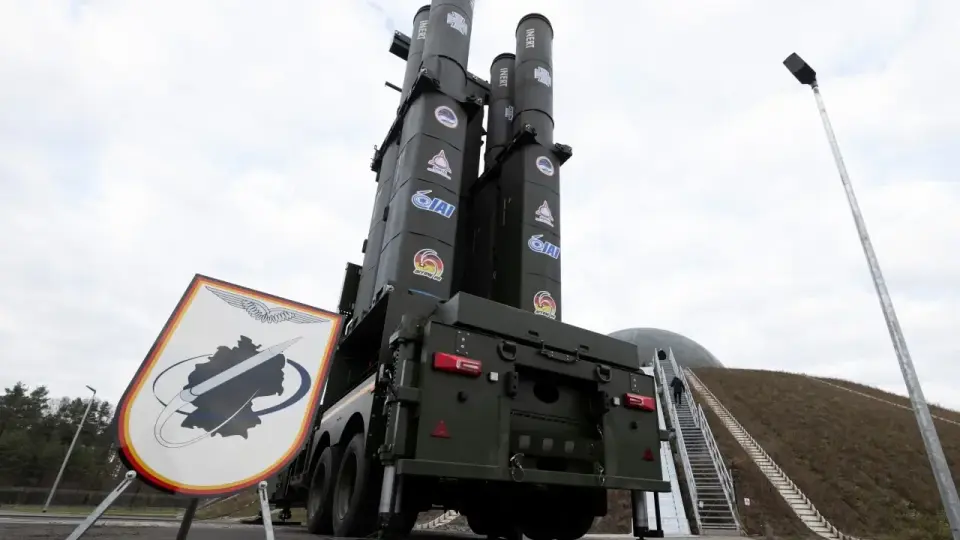
Czech Prime Minister Andrej Babiš led a high-level delegation to Israel Aerospace Industries (IAI) on Tuesday to evaluate the Arrow 3 missile defense system. The visit signals Prague's interest in acquiring the system, which is designed to intercept ballistic missiles outside Earth's atmosphere. This move aligns with a broader European trend of adopting Israeli defense technologies amid rising security concerns. While no formal purchase has been announced, the Czech government is actively exploring options to accelerate its air defense procurement, potentially bypassing a 2030 timeline. The discussions occur against a backdrop of existing Czech-Israeli defense cooperation, including the recent delivery of SPYDER systems, and broader diplomatic engagements involving President Isaac Herzog and Israeli opposition leader Gadi Eisenkot.
Key points
- Czech Prime Minister Andrej Babiš, accompanied by foreign and defense ministers and the chief of the General Staff, visited IAI facilities to review the Arrow 3 system.
- IAI Chairman Boaz Levy stated that ballistic missile threats are a major global security challenge, citing the system's operational performance in intercepting missiles from Iran and Yemen.
- The Czech Republic is part of the European Sky Shield Initiative, which selected Arrow 3, alongside US Patriot and German IRIS-T systems, for a multilayered European defense network.
- Any potential sale of Arrow 3 to the Czech Republic would require approval from the US administration, given Washington's role in the system's development and funding.
- Germany has already purchased Arrow 3 in a deal valued at approximately $6.6 billion, the largest defense export in Israel's history, which has expanded IAI's production capacity.
- Czech Defense Minister Jaromír Zuna confirmed the recent delivery of four SPYDER air defense systems, marking a significant step in Czech air defense modernization.
Background
This visit follows a period of significant domestic political turmoil in the Czech Republic, including mass protests against Prime Minister Babiš’s media funding reforms in late October and November 2026. Additionally, the Czech Republic has recently proposed transferring up to 16 Skyfox jets to Ukraine to counter Russian drones, highlighting its active role in European security dynamics. The current diplomatic visits also occur amidst ongoing coalition negotiations in Israel, where Gadi Eisenkot is attempting to form a government, leading to unusual diplomatic protocols for foreign leaders visiting the country.
How outlets are covering it
The Jerusalem Post and CTech emphasize the strategic and technological aspects of the potential Arrow 3 deal, highlighting the system's combat-proven status and the broader European shift toward Israeli defense technologies. They note the necessity of US approval for such exports. The Times of Israel focuses on the diplomatic rhetoric, quoting President Herzog’s statement that Israel is defending Europe from a 'jihadist wave,' which frames the defense cooperation in broader geopolitical terms. Ynetnews provides a unique political angle, detailing the meeting between Babiš and Gadi Eisenkot, the opposition leader, which was coordinated by the National Security Council due to the lack of a formally designated opposition leader in Israel. This highlights the complex domestic political landscape in Israel affecting international engagements. All sources agree on the high-level nature of the Czech delegation and the focus on air defense, but they differ in their emphasis on the diplomatic, technological, or political implications of the visit.
Why it matters
The potential Czech acquisition of Arrow 3 would further solidify Israel's position as a key defense supplier in Europe, particularly as nations seek to bolster their air defense capabilities against ballistic missile threats. It also underscores the deepening security cooperation between Israel and European nations, despite domestic political challenges in both countries. The requirement for US approval for such exports highlights the continued influence of Washington in Israel's defense industry and the interconnectedness of global defense supply chains. Furthermore, the diplomatic engagements between Czech and Israeli leaders, including the meeting with the opposition leader, suggest a desire to maintain stable and comprehensive relations despite political uncertainties in Israel.
What to watch
The Czech government is expected to continue its evaluation of Arrow 3 and potentially other Israeli systems like Barak, with the aim of accelerating procurement timelines. The outcome of the potential deal will depend on US approval and the finalization of the European Sky Shield Initiative's procurement plans. In Israel, the formation of a new government under Gadi Eisenkot or another leader will likely influence the pace and nature of future defense exports and diplomatic engagements. The Czech Republic may also continue to explore other defense cooperation areas, including cybersecurity and artificial intelligence, as indicated in the discussions during Babiš's visit.
- Czech Republic eyes Israel's Arrow 3 missile defense system amid growing European demand The Jerusalem Post
- Czech Republic considers buying Israel's Arrow 3 missile defense system CTech
- Herzog to Czech PM: Israel is defending Europe from jihadist wave The Times of Israel
- Eisenkot holds first post-election meeting with foreign leader amid coalition negotiations Ynetnews
- Iran's terror ambitions extend to Europe, Benjamin Netanyahu tells Czech PM Babiš The Jerusalem Post
Want the full story? Read the original reporting
Read on The Jerusalem Post