
Rassvet Satellites Stall in Low Orbit, Delaying Russia's Starlink Alternative
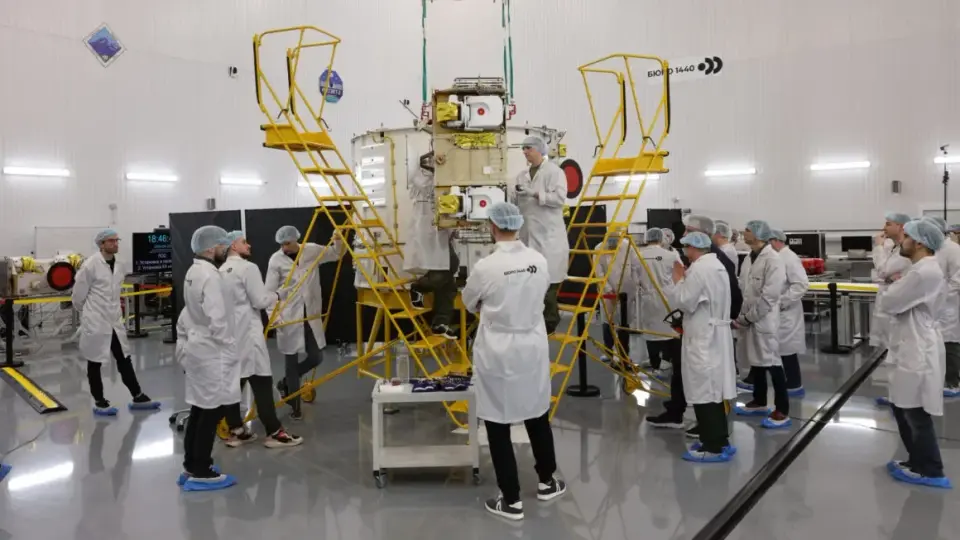
Russia's Rassvet satellite network faces severe technical setbacks as its second batch fails to reach operational altitudes, limiting battlefield communications. The Institute for the Study of War reports that atmospheric drag at lower orbits will shorten satellite lifespans, delaying continuous coverage. While the first batch offers limited connectivity windows, the program lacks the launch capacity and infrastructure to achieve the 200-300 satellites required for stable, round-the-clock service.
Key points
- The second batch of 16 Rassvet satellites launched on July 19 failed to reach the target altitude of 550 km, with many remaining between 300 and 400 km and at least two heading toward atmospheric reentry.
- Only 12 satellites from the first batch launched in March reached sustainable altitudes, providing Russian forces with two daily connectivity windows totaling up to 90 minutes over Ukraine.
- Operating at lower altitudes increases atmospheric drag, forcing satellites to burn more fuel to maintain position, which significantly shortens their operational lifespan.
- Russia requires 200 to 300 working satellites for stable coverage, but limited access to Soyuz-2.1b rockets restricts deployment to a maximum of 128 satellites over four years.
- Ukrainian strikes on the Progress Space Rocket Center and Plesetsk Cosmodrome in August threaten the launch infrastructure necessary for expanding the constellation.
Background
Rassvet, developed by Bureau 1440, is a low-Earth-orbit broadband constellation intended to replace unauthorized Starlink access for Russian forces. Following the blocking of Starlink terminals in February 2026, Moscow accelerated deployment to secure independent command-and-control links. The program aims to place 292 satellites in orbit by the end of 2027 and 924 by 2035, though current technical failures and launch constraints have stalled progress.
How outlets are covering it
The Institute for the Study of War (ISW) emphasizes the technical failure of the second batch and the strategic implications of limited launch capacity, noting that only 12 satellites from the first batch are functional. UNITED24 Media highlights the financial cost of 102.8 billion rubles and the physical consequences of atmospheric drag, citing data from Russian Space Web that shows satellites failing to ascend. Ukrinform focuses on the specific altitude discrepancies, noting that the second batch remained far below the planned 870 km operational altitude, while also mentioning Ukraine's appeal to the International Telecommunication Union to exclude its territory from Rassvet coverage.
Why it matters
The failure of the Rassvet satellites to reach operational altitudes undermines Russia's ability to establish a reliable, independent communications network for its military operations in Ukraine. Without sufficient satellites and stable orbits, Moscow remains dependent on limited connectivity windows, hindering drone operations and command-and-control capabilities. The setback also highlights the vulnerability of Russia's space infrastructure to Ukrainian strikes and the logistical challenges of competing with established networks like Starlink.
What to watch
Russia must address the technical issues preventing satellites from reaching higher altitudes and secure additional launch capacity to meet its 2027 targets. Ukrainian forces may continue to target launch infrastructure to further delay deployment. The outcome of these efforts will determine whether Rassvet can provide meaningful battlefield communications or remains a limited, intermittent alternative to Starlink.
Want the full story? Read the original reporting
Read on Euromaidan Press