
Durupınar excavation yields charred wood, but carbon dating pending
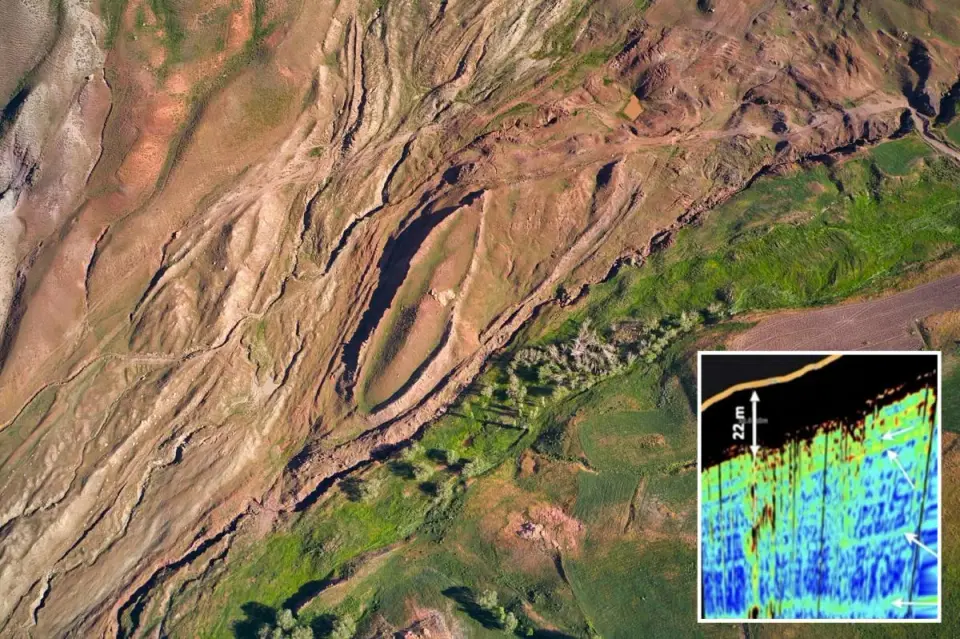
Researchers at the Durupınar Formation in eastern Turkey have recovered charred wood fragments from approximately 30 feet underground, a development they claim supports the hypothesis that the site is the biblical Ark. The wood has been sent for carbon-14 dating and species identification, with results expected from laboratories in Turkey and France. While proponents argue the absence of bedrock and radar-detected chambers indicate a man-made structure, critics maintain the formation is a natural geological feature. No definitive proof has yet been published, and the project awaits laboratory analysis to determine the age and origin of the recovered materials.
Key points
- Charred and uncharred wood fragments were recovered from nearly 30 feet below the surface of the Durupınar Formation, a boat-shaped structure near Mount Ararat in eastern Turkey.
- The wood samples have been sent to laboratories in Turkey and France for carbon-14 dating and species identification, with results expected within three months.
- Researchers using the BakhtarRadar system claim to have detected organized chambers and corridors within the formation, which they argue are not natural geological features.
- Core drilling reached depths of approximately 18 to 20 meters without striking bedrock, contradicting previous geological assessments that identified the site as a natural rock structure.
- The project, led by Noah’s Ark Scans and overseen by Prof. Dr. Cenker Atila of Sivas Cumhuriyet University, has collected over 400 soil samples for analysis.
Background
The Durupınar Formation, discovered in 1959, has been a focal point for Ark hunters due to its ship-like shape and proximity to Mount Ararat. Previous geological studies, including a 1996 paper by Lorence Collins and David Fasold, concluded the site was a natural formation. Recent drilling campaigns in 2026 have intensified debate, with proponents citing the absence of bedrock and radar anomalies as evidence of a man-made vessel, while skeptics maintain the features are geological. Earlier archive coverage noted that preliminary drilling found no bedrock, but emphasized that results were inconclusive and unverified.
How outlets are covering it
Proponents, including Andrew Jones of Noah’s Ark Scans and Prof. Dr. Cenker Atila, argue that the recovered charred wood, radar-detected chambers, and absence of bedrock support the site’s biblical provenance. They suggest the wood may be from the Ark, possibly preserved by charring from a fire or lightning. Critics, including geologists like Lorence Collins and Andrew Snelling, maintain the formation is a natural geological structure, with features explained by tectonic activity and mudflows. The Jerusalem Post and Ancient Origins note that reports conflict on whether the wood is charred or petrified, and that no laboratory has yet published definitive results. The project’s leaders emphasize that carbon-14 dating is essential to determine the age of the wood, while skeptics argue that even ancient wood does not prove human construction.
Why it matters
The potential identification of the Durupınar Formation as Noah’s Ark would have significant implications for religious, historical, and scientific understanding of the biblical flood narrative. If confirmed, it could challenge existing geological and archaeological models and reshape interpretations of ancient history. However, the lack of definitive evidence and ongoing debate highlight the importance of rigorous scientific analysis in resolving such claims. The project’s next steps, including carbon-14 dating and potential excavations in 2027, will be critical in determining the site’s true nature.
What to watch
Laboratories in Turkey and France are expected to publish carbon-14 dating results for the recovered wood within three months. The project plans to release photographs of the charred wood and may begin excavations in 2027 if permits are obtained. Further radar processing and analysis of the 400+ soil samples will continue, with Bakhtar’s technical report potentially published in November. The outcome of these analyses will determine whether the Durupınar Formation is a man-made structure or a natural geological feature.
- ‘Noah’s Ark remains’ found burned and buried 30 feet below final resting place: report New York Post
- Charred Wood Recovered from Deep Inside Durupınar Noah's Ark Site, Radar Results Verified at Eastern Turkey Noah's Ark Symposium markets.businessinsider.com
- Can Carbon-14 Tests on the Durupinar Wood Show It Was Noah's Ark? Ancient Origins
- Researchers searching for Noah's Ark obtain more than 400 samples and announce new results infovaticana
- Noah's Ark Search Takes Stunning Turn After Researchers Recover Wood From Durupinar Site Charisma Magazine Online
Want the full story? Read the original reporting
Read on New York Post