
Berlin Scraps Direct MQ-28 Purchase, Pushing German Drone Wingman Timeline to Early 2030s
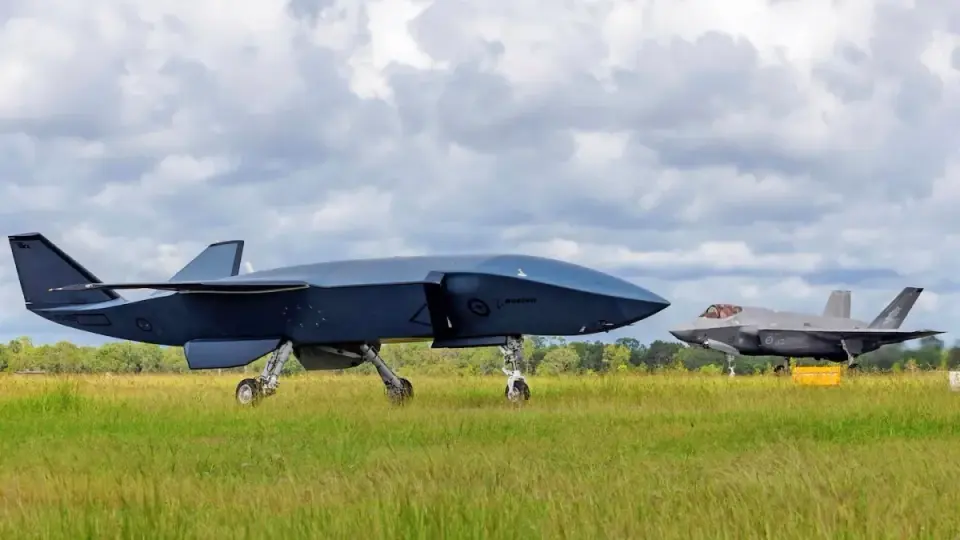
Germany has formally abandoned plans to directly procure the Boeing MQ-28 Ghost Bat drone, delaying its collaborative combat aircraft program. Berlin now faces a competitive selection process with flight tests starting in 2027, pushing operational deployment to the early 2030s.
Key points
- The German Ministry of Defense informed Boeing it would not proceed with a direct acquisition of the MQ-28 Block 3, a move first reported by Politico and confirmed by Breaking Defense.
- This decision invalidates a partnership announced in March 2026 between Boeing and Rheinmetall, which had positioned the Ghost Bat as a candidate for Berlin’s uncrewed combat aircraft capability.
- Germany’s original goal to field collaborative combat aircraft by 2029 is now unlikely, with new timelines suggesting flight testing will begin in 2027 and operational service in the early 2030s.
- The shift opens the field to competitors, including Airbus and Kratos’s U740 Valkyrie, which achieved its first flight in October 2026, as well as Helsing’s CA-1 Europa and General Atomics.
- Berlin has not clarified whether it seeks a single platform or a 'high-low' mix of strike and wingman drones, though strike missions appear prioritized initially.
Background
Germany has been racing to rearm and modernize its air force, aiming to be the first European nation to field uncrewed combat aircraft by 2029. This deadline was intended to complement crewed Eurofighters and incoming F-35s. The decision follows broader European debates over industrial sovereignty, where Germany previously advocated for a 'Made with Europe' model in defense procurement to balance local production with international partnerships, a stance that may have influenced the move away from a direct Australian-origin purchase.
How outlets are covering it
Boeing confirmed the cancellation but stated it remains ready to support Germany in future steps, while the German Ministry of Defense declined to comment, citing procurement regulations. Breaking Defense and The War Zone emphasize the setback to the 2029 timeline and the rise of competitors like Airbus. The Defense Post highlights the MQ-28’s technical maturity and global interest, noting that while Germany dropped the direct buy, the aircraft remains a leading demonstrator for other nations. The shift suggests Berlin is prioritizing a competitive, potentially longer development phase over a rapid, single-source acquisition.
Why it matters
This move signals a significant shift in European defense procurement, moving away from rapid, single-source acquisitions toward competitive, multi-vendor strategies for advanced uncrewed systems. It delays Germany’s ability to integrate autonomous wingmen with its fighter fleet, potentially affecting its airpower readiness in the near term while opening the market to European and other international competitors.
What to watch
Germany will likely initiate a competitive selection process for its collaborative combat aircraft, with flight tests expected to begin in 2027. Competitors such as Airbus, Kratos, Helsing, and General Atomics will vie for the contract. Berlin must also clarify its operational requirements, including whether it seeks a single platform or a mix of strike and wingman drones, and navigate the integration of these systems with its existing Eurofighter and F-35 fleets.
- Germany Drops Boeing MQ-28 Ghost Bat Rapid Procurement Plan TWZ
- Germany changes course on plans to buy MQ-28 drone wingman: Boeing official Breaking Defense
- MQ-28 Ghost Bat: The Loyal Wingman Reshaping Air Combat The Defense Post
- Pat Conroy shrugs off Boeing’s Ghost Bat export setback InnovationAus.com
- Germany Drops Direct MQ-28 Ghost Bat Purchase MiGFlug
Want the full story? Read the original reporting
Read on TWZ