Tag

Collaborative Combat Aircraft

All articles tagged with #collaborative combat aircraft

Northrop Grumman's YFQ-48A Talon Blue Completes First Autonomous Flight
defense5 days ago

Northrop Grumman's YFQ-48A Talon Blue Completes First Autonomous Flight

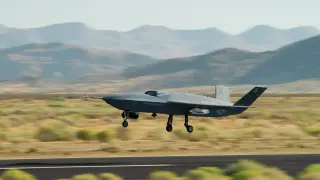
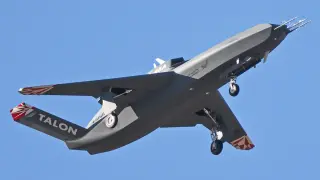
Northrop Grumman’s YFQ-48A Talon Blue completed its first fully autonomous flight on October 3, 2026, from Mojave Air and Space Port. The uncrewed aircraft, built by subsidiary Scaled Composites, successfully executed taxi, takeoff, maneuvers, and landing. This milestone advances the company’s internally funded Project Talon, which aims to provide affordable, mass-producible autonomous airpower for the U.S. Air Force’s Collaborative Combat Aircraft (CCA) Increment 2 program. The aircraft features a Pratt & Whitney PW500 engine, a high air intake, and an integrated weapons bay, with design innovations reducing part count by 50% and weight by 1,000 pounds compared to previous proposals.
Air Force accelerates cheaper drone successor after Reaper losses
defense1 month ago

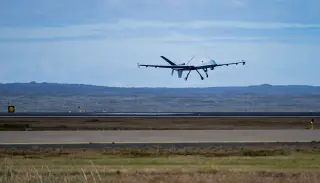
Air Force accelerates cheaper drone successor after Reaper losses

In response to combat losses in Iran, the U.S. Air Force is fast‑tracking a cheaper, modular successor to the MQ‑9A Reaper—Massed Modular Aircraft (MMA)—with a target of about 180 air vehicles featuring ~2,800 lb payloads and ~8,000 nm ferry range, at roughly $10 million per air vehicle; backfill will use existing MQ‑9As in 2026 due to budget constraints, while General Atomics’ Wildfire designs compete and MMA concept refinement awards are anticipated in early FY2027, though no firm schedule has been announced.

Air Force accelerates a cheaper, modular drone to replace MQ-9 after losses
defense1 month ago

Air Force accelerates a cheaper, modular drone to replace MQ-9 after losses

Facing steep MQ-9 Reaper losses in combat against Iran, the Air Force is fast-tracking the Mass Modular Aircraft program to field a cheaper, modular unmanned drone around $10 million per airframe, with targets of about 180 MMA aircraft and prototypes within a year and full fielding within three years, while keeping multiple bidders and ramping automation.

Britain Bets Big on Autonomous Combat with Brontanax
defense2 months ago

Britain Bets Big on Autonomous Combat with Brontanax

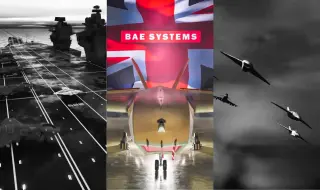
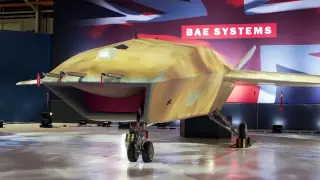
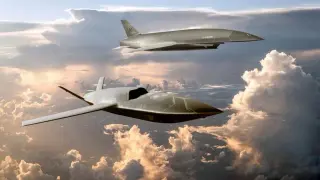
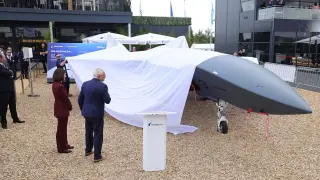
BAE Systems unveiled Brontanax, the UK’s first uncrewed Collaborative Combat Aircraft, at Farnborough to augment crewed Typhoon aircraft with electronic warfare and precision strike capabilities. Built in Warton with involvement from 500+ staff and UK suppliers, Brontanax uses open, modular design to extend combat mass at lower cost and is planned to fly next year and enter service by the decade’s end under the £300m StormFighter program, aligning with the UK’s move toward a sixth‑generation air force and its carrier‑strike ambitions under Project Vanquish.

Britain’s Brontanax debuts as a British designed loyal wingman for the RAF
technology2 months ago

Britain’s Brontanax debuts as a British designed loyal wingman for the RAF

BAE Systems unveils Brontanax, a UK designed collaborative combat aircraft for the RAF as part of the Storm Fighter program, a loyal wingman drone built in Britain with ground and flight testing planned, potential NATO participation next year, modular design, and roles including electronic warfare, precision strike and air-to-air, with possible carrier operations under future naval concepts and a cost around a quarter of a Typhoon.

Air Force taps GA and Anduril to field first collaborative combat aircraft
defense3 months ago

Air Force taps GA and Anduril to field first collaborative combat aircraft

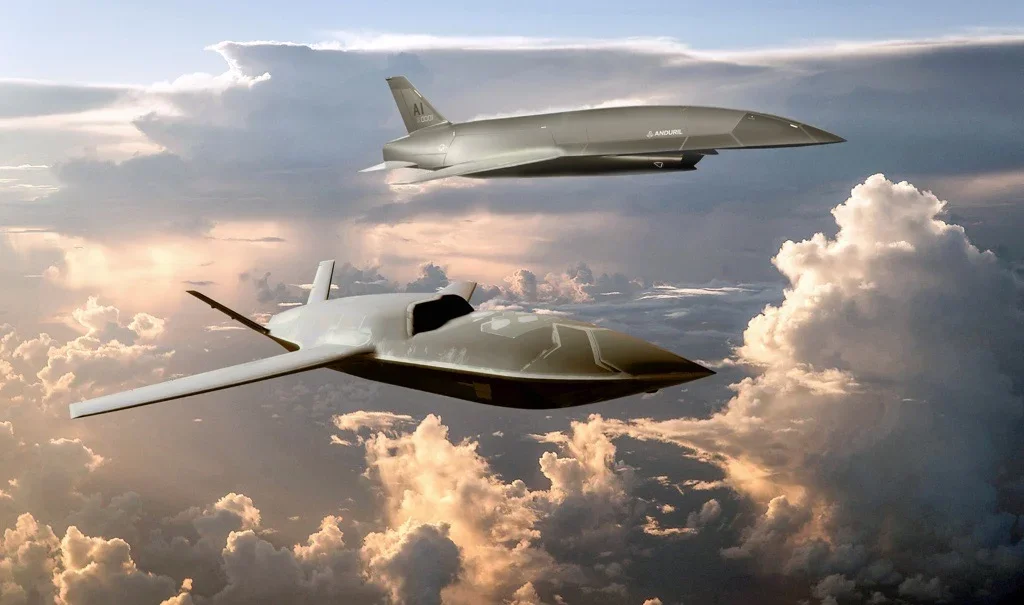
The U.S. Air Force selected General Atomics and Anduril to build the first Collaborative Combat Aircraft (CCA), with autonomy software developed by RTX, Shield AI, and Collins Aerospace. The program targets 150+ drones by the end of the decade, with a goal of roughly $30 million per unit, and FY27 funding to start the first production lots. Development will proceed in increments, including a parallel software competition leading to a final vendor decision in 2027, while production lines begin scaling to field capabilities.

Air Force accelerates semi-autonomous airpower with multi-vendor CCA contracts
technology3 months ago

Air Force accelerates semi-autonomous airpower with multi-vendor CCA contracts

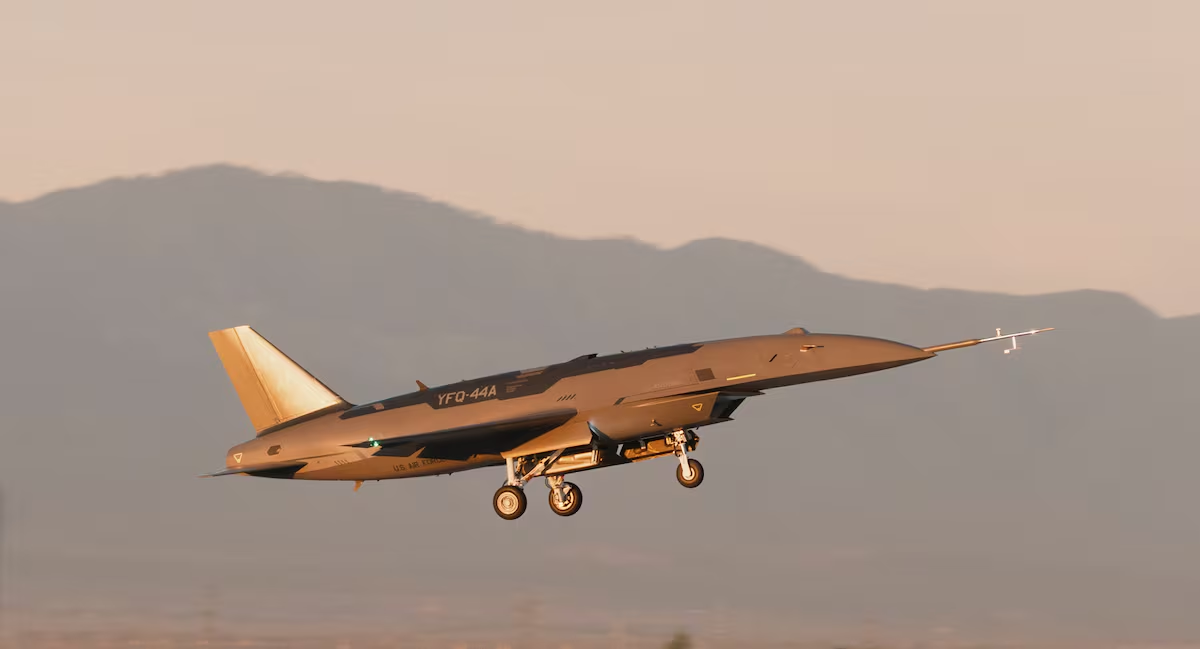
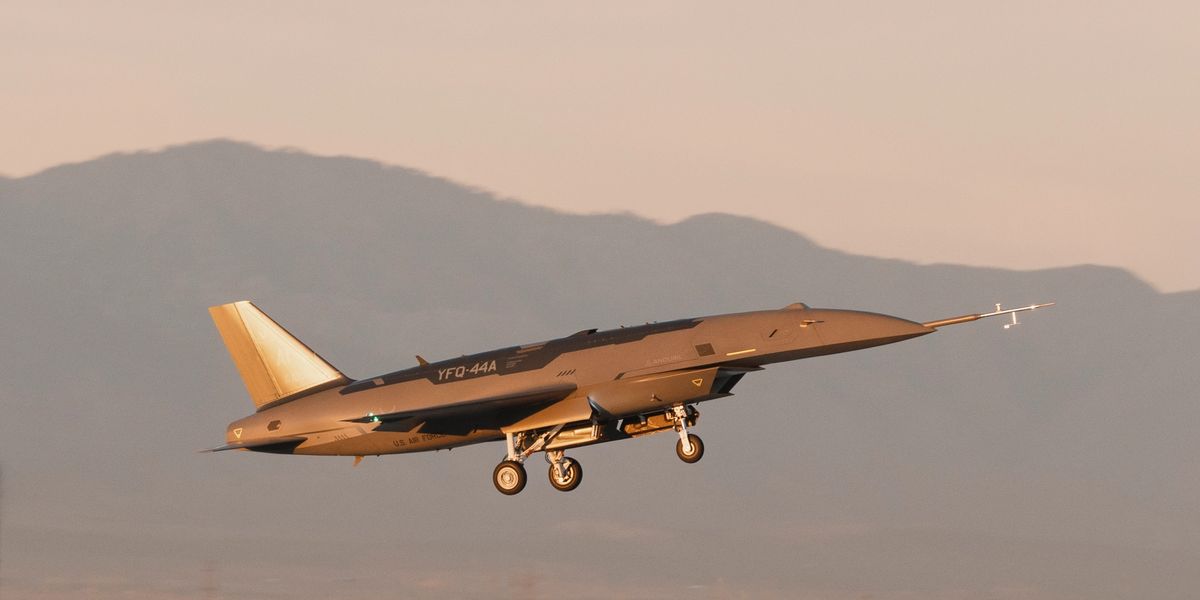
The Air Force advanced the Collaborative Combat Aircraft program by awarding Increment 1 hardware contracts to General Atomics, FQ-42, and Anduril (FQ-44) and establishing a six-vendor baseline for mission autonomy software (Anduril, General Atomics, Lockheed Martin, Northrop Grumman, RTX Collins Aerospace, Shield AI), with production options to speed fielding. The effort emphasizes decoupling hardware and software via the Autonomy Government Reference Architecture (A-GRA) and a competitive, ongoing software market, aiming to field about 1,000 CCA by decade’s end and to select a primary software provider by summer 2027.

Berlin Air Show Lights Up Germany's CCA Drive with Ghost Bat Debut
technology4 months ago

Berlin Air Show Lights Up Germany's CCA Drive with Ghost Bat Debut

At the ILA Berlin Air Show, Boeing Australia and Rheinmetall unveiled the MQ-28 Ghost Bat as part of Germany’s push to field a Collaborative Combat Aircraft alongside manned aircraft, with negotiations aiming for a German CCA by 2029 and a potential final contract stage next year. Other vendors, including Helsing with its CA-1EA/KA and Airbus with the Ravenstorm concept, as well as General Atomics, showcased competing CCAs, underscoring a crowded, multinational bid to equip the German air force with advanced unmanned wingmen.

Boeing Expands MQ-28 Ghost Bat Capabilities with Wings, Weapons Bays and BLOS Upgrade
drones4 months ago

Boeing Expands MQ-28 Ghost Bat Capabilities with Wings, Weapons Bays and BLOS Upgrade

Boeing revealed at ILA Berlin 2026 a roadmap for the MQ-28 Ghost Bat that adds 25% larger wings (boosting MTOW to 12,000 lb and payload to 4,500 lb), internal weapon bays for AMRAAMs and SDBs, optional external stations, and software/mission nose upgrades. The updates improve range, endurance and mission configurability, support Beyond Line of Sight operation, and enable modular payloads for allied customers, with the program rolling out via spiral upgrades after ongoing testing in the U.S. and collaboration with the Royal Australian Air Force.

GA and Anduril Sketch Navy Carrier-Capable Unmanned Aircraft
defense8 months ago

GA and Anduril Sketch Navy Carrier-Capable Unmanned Aircraft

At the Singapore Air Show, General Atomics and Anduril signaled that the Navy’s Collaborative Combat Aircraft program could reuse Fury-era components and design concepts to deliver a carrier-capable unmanned platform, with multiple contractors developing concepts and a common-control system while the Navy refines its operating concept for carrier-based CCAs.

defense1 year ago

Lockheed's Skunk Works Unveils Vectis Stealth Drone for Future Combat

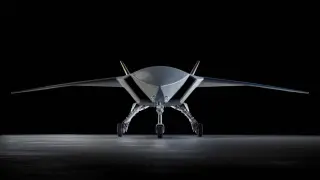
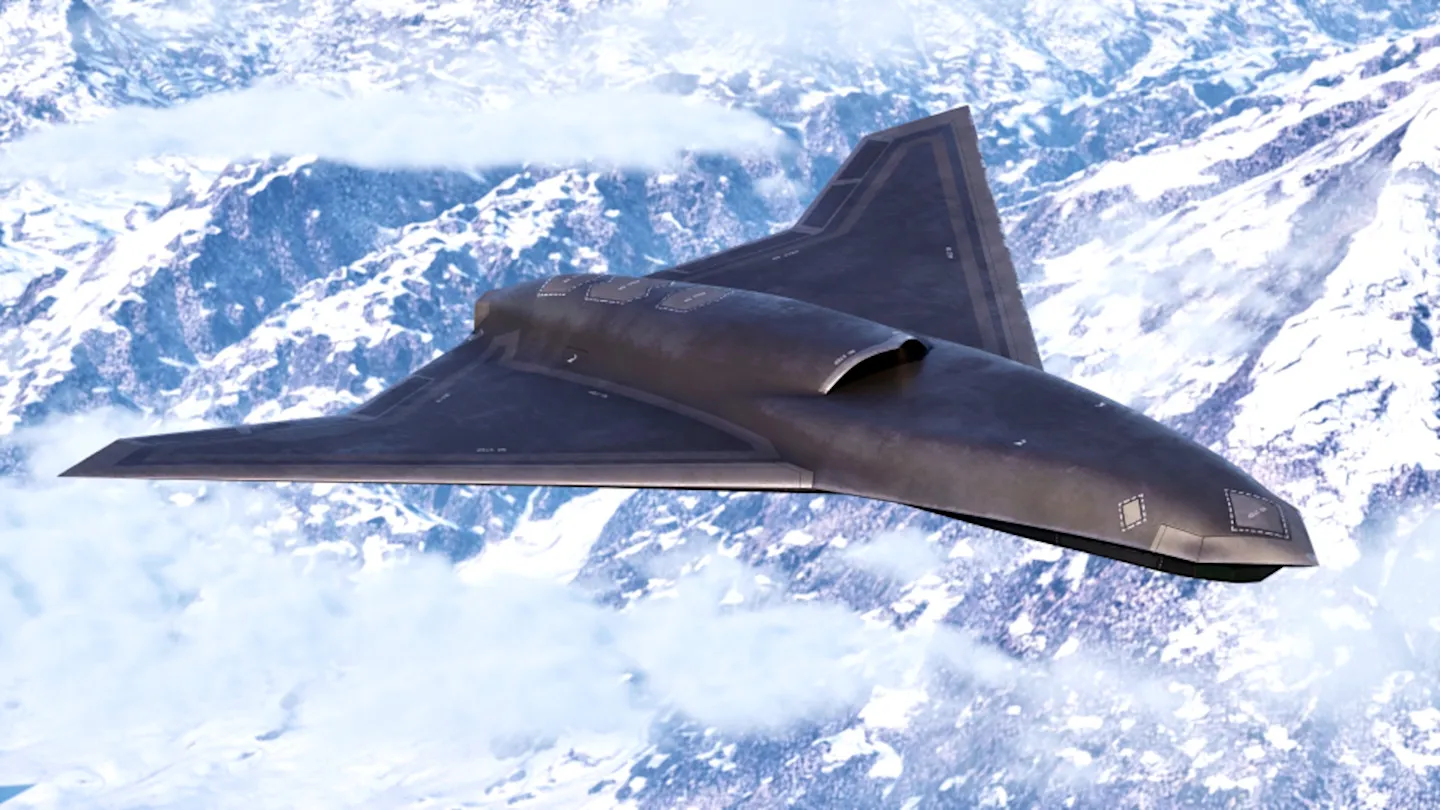
Lockheed Martin’s Skunk Works has unveiled the Vectis, a new stealthy, reusable collaborative combat aircraft designed for both U.S. and international military use, capable of air-to-air, air-to-surface, and surveillance missions, with flight expected in two years. The aircraft builds on previous sixth-generation prototypes and aims to offer high survivability and flexibility, potentially serving alongside crewed aircraft and competing with similar international designs.

Skunk Works Launches Stealth Vectis Combat Drone
military-technology1 year ago

Skunk Works Launches Stealth Vectis Combat Drone

Lockheed Martin's Skunk Works has unveiled Vectis, a highly adaptable, stealthy Group 5 combat drone designed for multi-mission roles including air-to-air, air-to-surface, and ISR, expected to fly within two years. The drone emphasizes survivability, modularity, and open mission systems, with a focus on interoperability and rapid upgradability, aiming to meet diverse operational needs across global theaters. Its development aligns with evolving military concepts like distributed operations and runway independence, though it remains runway-dependent in its current form.