
US Patriot Shortage in Europe Sparks Global Defense Crisis
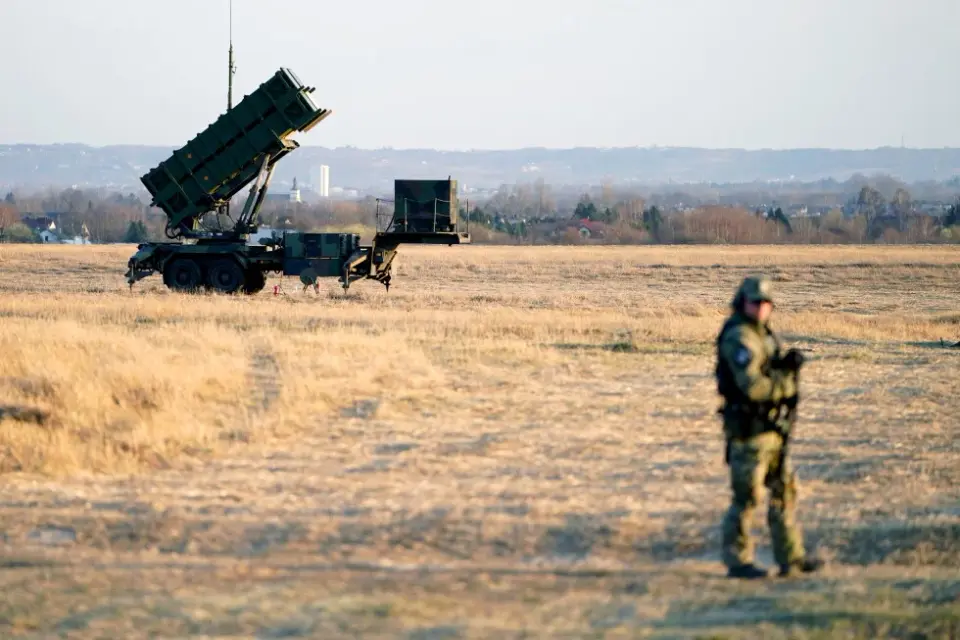
US officials report that Patriot missile stocks in Europe are 'beyond critical' following heavy use in the Iran conflict, which consumed 65% of the US inventory. While NATO disputes the severity, citing sufficient air defense capabilities, the shortage has triggered supply chain concerns for allies in Asia and Australia. Production is set to ramp up, but current gaps leave Europe and the Indo-Pacific vulnerable to Russian and Chinese threats.
Key points
- The Iran war depleted 65% of US Patriot interceptors, totaling roughly 1,500 missiles, according to the Center for Strategic and International Studies.
- US officials describe European Patriot stocks as 'beyond critical,' while NATO spokesperson Martin O'Donnell denies this, stating NATO can defend itself and aid Ukraine.
- Production is expected to reach 2,000 missiles annually by 2030, with a new European facility in Germany opening in September 2026.
- Asian allies, including Japan and Taiwan, face potential delays in receiving Tomahawk and Patriot missiles due to US stockpile depletion.
- Australia is accelerating domestic missile production to reduce reliance on US supplies, aiming to build factories by 2029.
Background
Previous reports indicated that US munitions stockpiles reached critical lows in August 2026, with THAAD and Patriot systems heavily depleted. Ukraine has faced increased vulnerability to Russian strikes due to limited interceptors, highlighting the immediate impact of these shortages on ongoing conflicts.
How outlets are covering it
AP News and CSIS emphasize the critical nature of the shortage, noting that the Iran war was the tipping point for inventory depletion. NATO, however, disputes the 'beyond critical' label, asserting that current stocks are sufficient for defense and aid. The Washington Post highlights the broader implications for Indo-Pacific deterrence, warning that the drain on US munitions undermines readiness against China. Politico focuses on Australia's response, noting that Canberra is racing to build its own munitions industry to mitigate delays in US deliveries. While AP and CSIS focus on the immediate European crisis, the Post and Politico broaden the scope to global strategic vulnerabilities.
Why it matters
The shortage exposes a critical gap in US defense capabilities, affecting both European security and Indo-Pacific deterrence. As the US struggles to replenish stocks, allies face increased vulnerability to Russian and Chinese aggression. The situation underscores the need for accelerated production and domestic manufacturing capabilities among US allies to ensure long-term defense readiness.
What to watch
The US aims to increase Patriot production to 2,000 annually by 2030, with a new European facility in Germany opening in September 2026. Allies in Asia and Australia are expected to face delays in receiving US-made missiles, prompting them to accelerate domestic production. The Pentagon will continue to monitor stockpile levels and adjust production schedules to address the growing demand for munitions in multiple theaters.
- Exclusive: US Patriot missile stocks in Europe are 'beyond critical' due to Iran war, officials say AP News
- U.S. weapons shortage from Iran war alarms allies confronting China The Washington Post
- Trump’s Missile Math Problem Foreign Policy
- Australia wanted more US missiles. The Iran war may make them harder to get. Politico
- The Real Reason There’s a Munitions Shortage The Nation
Want the full story? Read the original reporting
Read on AP News