
Germany Weighs British Fighter Deal Against Swedish Alliance Amid Defense Shift
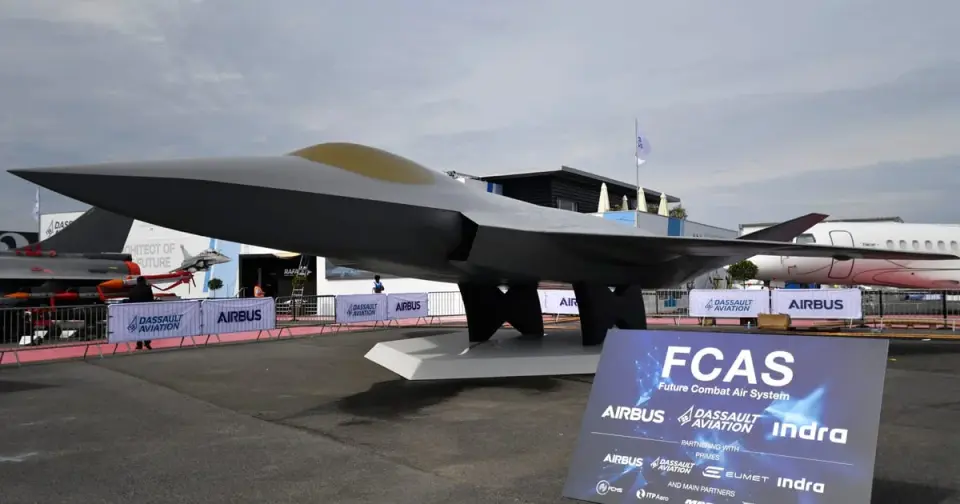
Germany must choose between joining the UK-led Global Combat Air Programme or launching a new project with Sweden and Spain after the collapse of its joint fighter initiative with France. While the defense ministry favors the Swedish option for industrial control, the chancellery leans toward London for diplomatic stability. Airbus is pushing for a swift decision as talks with BAE Systems begin.
Key points
- The Future Combat Air System (FCAS) project between Germany, France, and Spain collapsed in June 2026 due to industrial disputes between Airbus and Dassault, forcing Berlin to seek new partners for its next-generation fighter.
- Germany’s defense ministry recommends partnering with Sweden and Spain, citing better alignment with military requirements and greater opportunities for German industry, whereas the chancellery favors joining the UK-led Global Combat Air Programme (GCAP) to strengthen diplomatic ties with London.
- British Prime Minister Andy Burnham offered Germany a seat in GCAP during a recent visit, but officials warn that joining an existing program with Italy and Japan may limit German influence over key technologies and production roles.
- Airbus executives are scheduled to meet with BAE Systems to discuss potential collaboration, including the GCAP and autonomous combat aircraft, with Airbus insisting on a 'key role' rather than minor components.
- Chancellor Friedrich Merz is set to visit Japan to discuss German participation in GCAP, a move critical for securing Tokyo’s agreement, as Japan aims to meet its 2035 deadline for replacing aging F-2 jets.
Background
This decision follows the June 2026 collapse of the FCAS project, which was intended to replace Germany’s aging Eurofighters. The failure highlighted the risks of industrial disputes in joint European defense projects. Germany is also pursuing broader independence from US military technology, including a €10 billion satellite network and long-range missile development with Britain, amid concerns over US reliability in NATO.
How outlets are covering it
POLITICO highlights the internal German split, noting that while the defense ministry prioritizes industrial control via a Swedish partnership, the chancellery values the diplomatic benefits of aligning with the UK. The Financial Times emphasizes the industrial hurdles, noting that BAE Systems and its partners have already fixed workshare and intellectual property rights, making German entry complex. Aviation Week reports that Airbus is pushing for a quick decision, suggesting it will follow government guidance but is eager to resolve the uncertainty. All sources agree that the choice will shape Europe’s defense landscape for decades.
Why it matters
The outcome determines Germany’s role in European defense autonomy and its reliance on US technology. A choice for the UK strengthens transatlantic and European ties but may limit industrial control, while a Swedish partnership offers more autonomy but less diplomatic leverage. The decision also impacts the viability of European defense cooperation and the pace of replacing aging fighter fleets.
What to watch
Airbus and BAE Systems will hold talks in the coming week to explore collaboration. Chancellor Merz will visit Japan to discuss GCAP participation, seeking Tokyo’s agreement. The German government is expected to make a final decision on its fighter path in the near term, balancing industrial, military, and diplomatic priorities.
- Germany’s next fighter jet puts its defense partnerships to the test POLITICO.eu
- Airbus working with Germany, Spain on European fighter jet Reuters
- Airbus to hold talks with BAE over role in GCAP fighter jet programme Financial Times
- German Chancellor visits Japan, possibly to discuss participation in next-generation fighter jet development = Japan cautious – French media Record China
- Airbus Wants Decision Soon On Future Fighter Plan Aviation Week
Want the full story? Read the original reporting
Read on POLITICO.eu