
Europe Pushes for Seat at Table as Kremlin Rejects European Participation in Abu Dhabi Talks
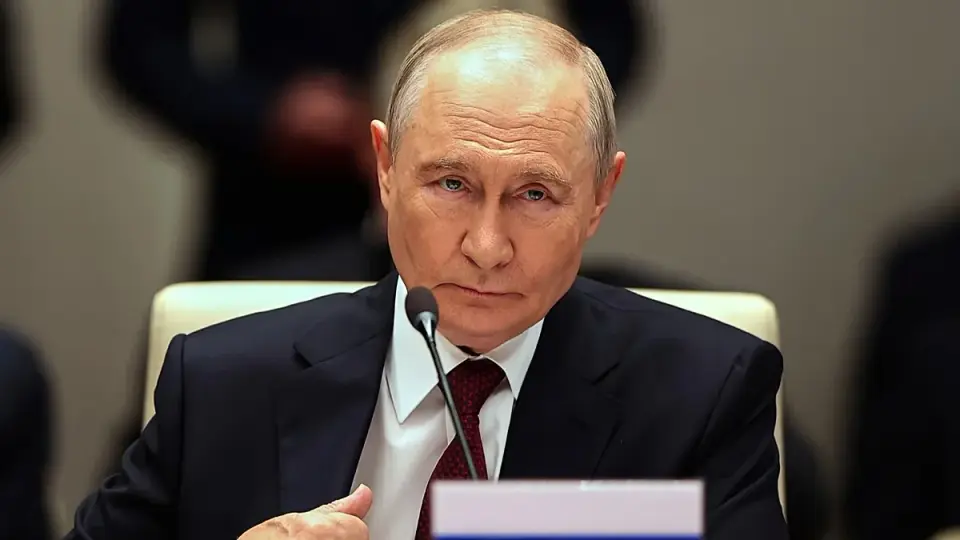
Following a direct phone call between Putin and Nordic leaders, Europe is preparing a senior delegation for peace talks in Abu Dhabi in early November. However, the Kremlin has explicitly stated that European nations will not be invited to the trilateral negotiations between the US, Ukraine, and Russia, creating a significant diplomatic rift over the format of the peace process.
Key points
- Finnish President Alexander Stubb and Norwegian PM Jonas Gahr Støre held a direct phone call with Vladimir Putin on October 28, agreeing to maintain direct contact.
- The European Commission and Council are preparing a joint team, potentially led by Bjoern Seibert, to attend the Abu Dhabi talks, which Zelensky expects to occur between November 6 and 10.
- Kremlin aide Yuri Ushakov stated that European countries were not discussed for inclusion in the trilateral talks and that they would not be invited to the negotiating table.
- Zelensky insisted that Europe must participate in all diplomatic moves, warning that no European partner should be excluded from decisions regarding the war's end.
- The shift in European strategy follows a deterioration in US-Ukraine relations, including Trump's lifting of sanctions and demands for new elections in Kyiv.
Background
This development follows months of internal European debate over engaging with Moscow. In June, European Council President Antonio Costa attempted to open a channel with the Kremlin but faced backlash. Recent weeks have seen a sharp deterioration in US-Ukraine relations, with Washington pursuing economic deals with Moscow and limiting support for Kyiv, prompting European leaders to assert their own diplomatic role to safeguard security interests.
How outlets are covering it
Euronews highlights the unprecedented nature of European participation, noting that Russia has not rejected European involvement as it previously had. In contrast, Al Jazeera and Ukrainian Pravda report that Kremlin aide Yuri Ushakov explicitly stated Europeans would not be included in the trilateral talks, describing their potential attendance as requiring them to 'buy tickets' without an invitation. Kyiv Post emphasizes Zelensky's demand for inclusive participation, while Euronews notes that European leaders remain divided, with Poland and Denmark expressing skepticism about the Nordic initiative.
Why it matters
The disagreement over the format of peace talks signals a potential fracture in the Western alliance. If Europe is excluded from direct negotiations, it risks being sidelined in decisions regarding its own security architecture. Conversely, if Europe participates, it may force Russia to engage with a broader coalition, potentially complicating Moscow's ability to secure unilateral concessions from Washington or Kyiv.
What to watch
The exact date for the Abu Dhabi talks is yet to be announced, though Zelensky suggested November 6-10. The European Commission is finalizing its delegation, with Bjoern Seibert tipped to lead. The outcome will determine whether the peace process remains a trilateral US-Ukraine-Russia dialogue or expands to include European security guarantees.
- After months dithering, Europe shows it's ready for talks with Russia Euronews.com
- Kremlin says European countries not included in next Ukraine talks Al Jazeera
- Kremlin says Europeans have not been invited to Ukraine-US-Russia talks Українська правда
- Zelensky Says No European Country Should Be Left Out of Ukraine Peace Talks Kyiv Post
- Next round of Ukraine talks depends on Middle East, other factors, Kremlin aide says Reuters
Want the full story? Read the original reporting
Read on Euronews.com