
US Approves $2.1 Billion Patriot Sale to Ukraine, but Delivery Timeline Remains Uncertain
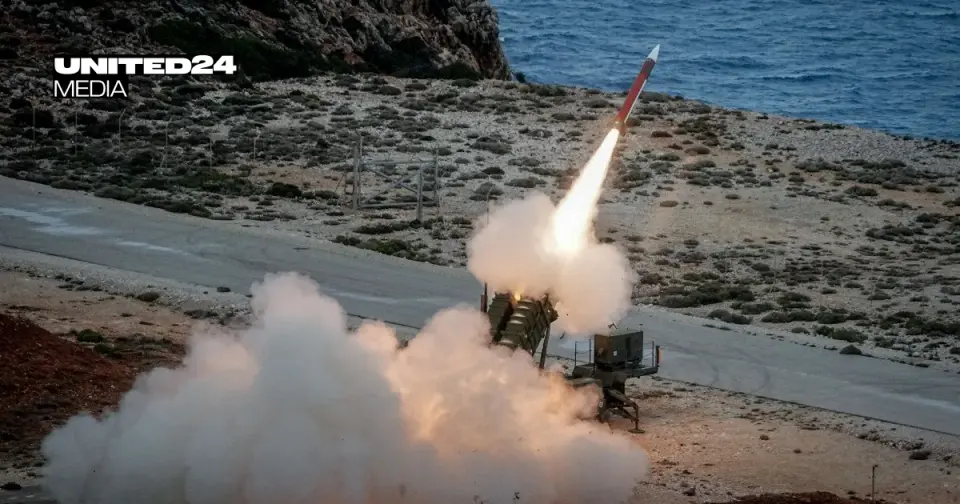
The US State Department approved a potential $2.1 billion sale of 500 Patriot PAC-3 MSE interceptors to Ukraine on October 30, 2026. The deal is funded by Canada, Germany, Norway, and an EU loan, with no US taxpayer money involved. However, the approval is not a signed contract, and deliveries could take years due to manufacturing constraints. Ukraine faces an acute shortage of these missiles to counter Russian ballistic strikes, and President Zelensky has urged Washington to release existing stockpiles immediately rather than waiting for new production.
Key points
- The US State Department approved a potential $2.1 billion sale of 500 Patriot PAC-3 MSE interceptors to Ukraine on October 30, 2026, as part of the formal congressional notification process for foreign military sales.
- The purchase is fully financed by contributions from Canada, Germany, and Norway under the JUMPSTART program, as well as Ukrainian funds backed by the European Union's Ukraine Support Loan, with no US funding involved.
- The approval does not constitute a signed contract or guarantee immediate deliveries, as Congress has 30 days to review the transaction, and a final Letter of Offer and Acceptance cannot be issued until that period expires.
- Ukraine's supplies of PAC-2 and PAC-3 missiles were severely depleted in mid-October 2026, with most available stocks directed to the Middle East, leaving Kyiv with almost no interceptors to counter Russian ballistic missile attacks.
- President Zelensky welcomed the approval but warned that it may take 'a few years' for the missiles to arrive, urging Washington to provide weapons from existing stockpiles to help Ukraine through the winter of 2026-2027.
- Lockheed Martin, headquartered in Bethesda, Maryland, is designated as the principal contractor for the sale, and the deal would not require additional US government or contractor personnel in Ukraine.
Background
This development follows a series of earlier announcements regarding Ukraine's air defense needs. In July 2026, President Trump announced at the NATO summit in Turkey that Ukraine would receive a license to produce its own Patriot missiles, a move that could eventually alleviate pressure on US production lines. However, any Ukrainian interceptor factory could take years to build, and the president has seemingly backed off from the move. Additionally, in August 2026, Lockheed Martin revealed the PAC-3 Edge, a next-generation interceptor designed to replace the current PAC-3 MSE in the US Army's Future Interceptor program, with testing scheduled to begin in 2027 and initial deployment targeted for 2031. The current sale is part of a broader effort to address strained stockpiles from conflicts in Ukraine and the Middle East, with a push to triple PAC-3 MSE production to 2,000 units annually by 2030.
How outlets are covering it
UNITED24 Media emphasizes the formal nature of the State Department's approval, noting that it is part of the congressional notification process and does not guarantee immediate deliveries. The outlet highlights the acute shortage of Patriot interceptors in Ukraine and the potential multi-year timeline for deliveries. CNN, on the other hand, focuses on President Zelensky's reaction to the approval, quoting his warning that it may take 'a few years' for the missiles to arrive and his urging of Washington to provide weapons from existing stockpiles. CNN also notes the tensions between the US and Ukraine over energy strikes and the potential for an offset agreement between Ukraine and Lockheed Martin, which the State Department is not aware of but could be negotiated directly. Both outlets agree on the financial details of the deal, with no US funding involved, but differ in their emphasis on the immediate need for deliveries versus the long-term production timeline.
Why it matters
The approval of the $2.1 billion sale of 500 Patriot PAC-3 MSE interceptors to Ukraine is a significant diplomatic victory for Kyiv, but the uncertain delivery timeline raises concerns about Ukraine's ability to counter Russian ballistic missile attacks in the near term. The deal highlights the ongoing strain on US and European defense stockpiles and the need for increased production of advanced interceptors. For Ukraine, the immediate shortage of these missiles could leave its cities and communities vulnerable to Russian strikes, particularly during the winter of 2026-2027. The situation also underscores the importance of international cooperation in addressing global defense needs and the potential for long-term solutions, such as Ukrainian production of Patriot missiles, to alleviate pressure on US production lines.
What to watch
The next steps in the process include the 30-day congressional review period, after which a final Letter of Offer and Acceptance can be issued. The actual agreement and subsequent procurement arrangements remain pending, and deliveries could take several years due to manufacturing timelines and strong global demand for Patriot interceptors. President Zelensky has urged Washington to provide weapons from existing stockpiles to help Ukraine through the winter, and the State Department has not announced a contract signing date, production schedule, or expected delivery timeline. The potential for an offset agreement between Ukraine and Lockheed Martin remains open, and any Ukrainian interceptor factory could take years to build. The situation will likely continue to evolve as the US and its allies work to address the global shortage of advanced interceptors and support Ukraine's defense needs.
- US Clears 500 Patriot PAC-3 Missiles for Ukraine in $2.1 Billion Sale UNITED24 Media
- Zelensky welcomes sale of crucial US Patriot missiles but warns delivery could take years CNN
- US approves $2.1 billion Patriot missile sale to Ukraine Reuters
- NATO Military Chief Sees No Delays to Patriot Deliveries to Kyiv Bloomberg.com
- Zelensky presses U.S. for more urgent shipments of Patriot missiles for Ukraine The Washington Post
Want the full story? Read the original reporting
Read on UNITED24 Media