
U.S. Army Integrates Apache Helicopters and Radar in New Drone-Deception and Counter-UAS Tactics
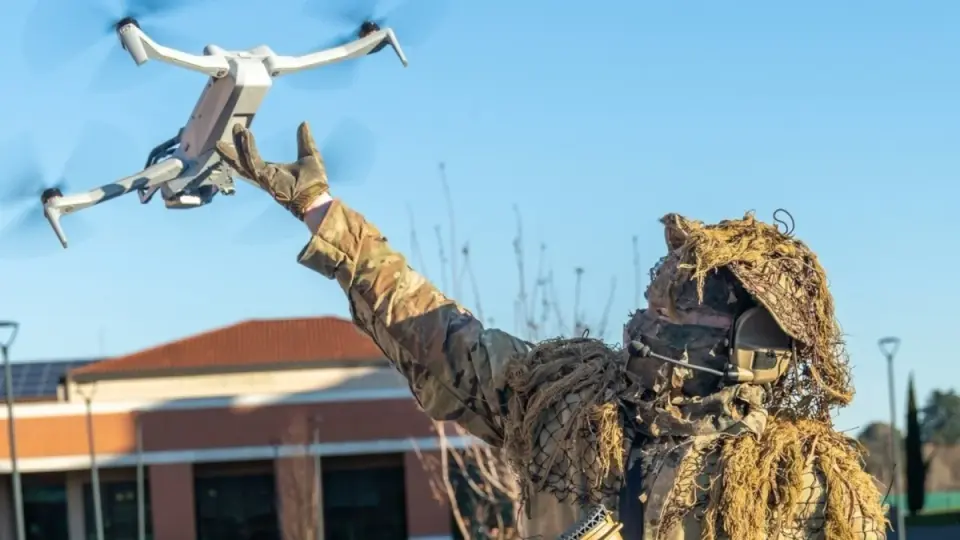
The U.S. Army is advancing new counter-drone and deception strategies through Project Flytrap and Operation Skyfall II. Recent exercises in Germany demonstrated AH-64 Apache helicopters destroying drones using data from ground-based Sentinel radars. Simultaneously, Army leaders outlined how uncrewed systems can deceive adversaries by mimicking signatures and forcing enemy electronic warfare systems to reveal themselves, marking a shift toward networked, multi-domain defense concepts.
Key points
- Operation Skyfall II in Germany successfully tested a kill chain where AN/MPQ-64 Sentinel radars detected drones and cued AH-64 Apache helicopters to destroy three MQM-170 target drones.
- Col. Timothy Price of the 2nd Cavalry Regiment described using uncrewed ground vehicles with decoy emitters to mislead enemies about breach locations during the 'obscure' phase of military operations.
- The Army is employing small, attritable drones to probe enemy rear areas, forcing them to activate electronic warfare or radar systems, which then exposes them to targeting by higher headquarters.
- These tactics are part of Project Flytrap, a broader initiative to refine counter-drone tactics, techniques, and procedures for U.S. forces in Europe.
- The Army acknowledges it currently lags behind global trends in uncrewed systems, particularly those observed in the Russia-Ukraine conflict, prompting accelerated development of new capabilities.
Background
The U.S. Army has been actively pursuing counter-drone solutions following a $7 billion in contracts awarded to ten firms in September 2026. This follows a March 2026 drone strike in Kuwait that killed six U.S. troops, highlighting vulnerabilities in current air defense. The Pentagon has also launched initiatives like the Autonomous Warfare Command to accelerate the fielding of uncrewed capabilities across smaller ground units.
How outlets are covering it
The primary source, The War Zone, emphasizes the strategic and deceptive aspects of uncrewed systems, focusing on how they can manipulate enemy perception and expose their capabilities. In contrast, Defence Industry Europe and Army Recognition focus on the tactical and technical execution of Operation Skyfall II, highlighting the successful integration of ground-based radar with airborne shooters. While The War Zone notes the Army's lag in uncrewed systems compared to Ukraine, the secondary sources present the Skyfall II exercise as a significant step forward in creating a layered, networked defense architecture for NATO forces.
Why it matters
These developments indicate a fundamental shift in U.S. Army doctrine, moving from traditional, single-platform defense to a networked, multi-domain approach. By integrating existing assets like Apache helicopters with new sensor networks and deception tactics, the Army aims to address the growing threat of low-altitude drones while compensating for current technological gaps. This could significantly enhance the defensive posture of U.S. and NATO forces in contested environments.
What to watch
The U.S. Army will continue to refine tactics, techniques, and procedures for counter-drone operations, likely expanding the use of networked sensors and uncrewed decoys. The Pentagon's new Autonomous Warfare Command and ongoing contract awards suggest a sustained push to field new uncrewed capabilities rapidly. Future exercises may further test the integration of these systems in more complex, multi-domain scenarios.
- Drones Are Creating New Opportunities For The U.S. Army To Deceive Its Enemies TWZ
- U.S. Army Apaches destroy three target drones using AN/MPQ-64 Sentinel radar data Defence Industry Europe
- U.S. Army Turns AH-64E Apache Guardians Into Drone Hunters Guided by Ground-Based AN/MPQ-64 Sentinel Radar Army Recognition
- Air Defenders, Aviators in Europe Combine Forces During Operation Skyfall II [Image 13 of 15] DVIDS
- US soldiers in Germany test Apaches for use in fight against drones Stars and Stripes
Want the full story? Read the original reporting
Read on TWZ