
Colombia shifts from rescue to recovery as quake toll reaches 289
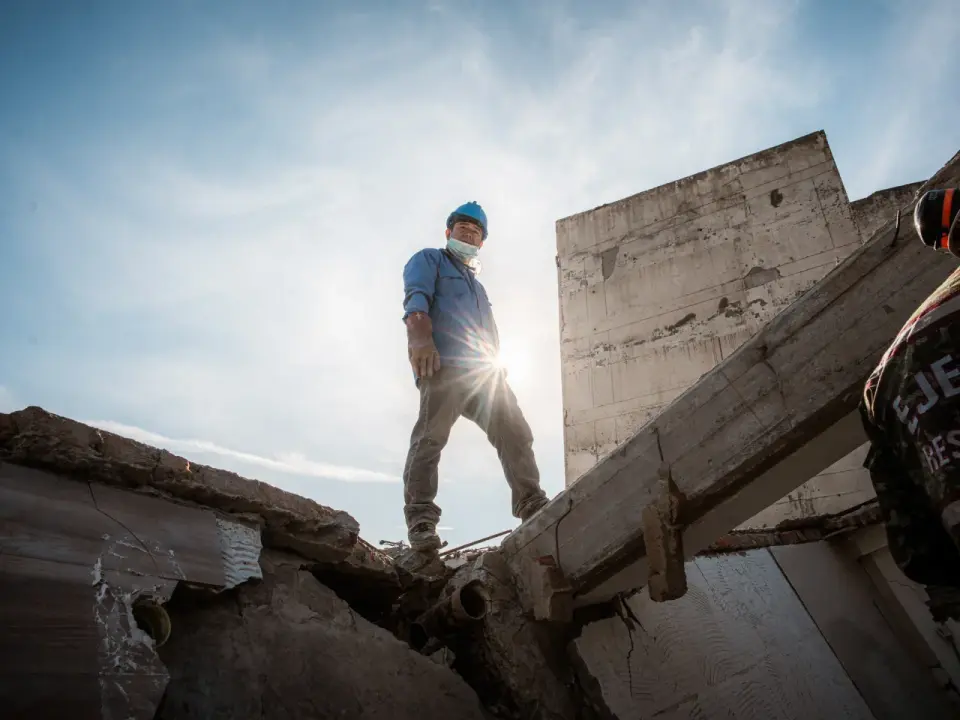
One week after a magnitude 7.4 earthquake struck western Colombia, rescue operations are winding down as authorities pivot to housing and reconstruction. The disaster has killed at least 289 people and left over 120,000 families homeless, with significant damage to infrastructure in cities like Cali and Quibdo.
Key points
- The earthquake, which struck on August 10, has killed at least 289 people and injured 4,187 across 15 of Colombia's 32 provinces.
- Rescue teams have saved 354 lives, but operations are shifting to body recovery and demolition as the window for survival narrows.
- Over 127,000 homes were damaged and 26,945 destroyed, alongside 285 health centers and 2,838 educational facilities.
- President Abelardo de la Espriella has declared an economic emergency and pledged a reconstruction fund, with estimated damages exceeding $6.4 billion.
- International aid includes a $15.5 million pledge from the US and 2 million euros from the EU, though some aid has been politically restricted.
Background
The 7.4-magnitude earthquake struck western Colombia on August 10, with the epicenter near San Jose del Palmar. Initial reports in early August highlighted the immediate devastation, including a notable rescue of a baby from rubble in Cali. As the first week of emergency response concluded, the focus has transitioned from acute search-and-rescue efforts to longer-term recovery and sheltering the displaced.
How outlets are covering it
Al Jazeera provides a comprehensive overview of the disaster's impact, emphasizing the shift from rescue to recovery and the challenges in neglected regions like Choco. The outlet highlights the political dimensions of the response, noting President de la Espriella's decision to accept rescue teams only from ideologically aligned nations. ABC News, however, was unavailable, providing no additional perspective on the story. The contrast between the official government figures and the unofficial 'Colombia Te Busca' database, which lists over 3,000 missing, underscores the uncertainty in the disaster's full scale.
Why it matters
The earthquake represents a significant test for the new Colombian government, highlighting the challenges of disaster response and recovery in a country with pre-existing vulnerabilities. The economic impact, estimated at over $6.4 billion, and the political decisions surrounding aid and reconstruction will have long-term implications for Colombia's stability and development.
What to watch
Authorities are expected to continue focusing on sheltering the homeless and providing basic necessities, while reconstruction efforts begin. The full scale of the devastation is still being assessed, and the government will need to navigate the economic and political fallout of the disaster. International aid and domestic funding will be crucial in the coming months.
- As rubble clears, Colombia begins focusing on recovery after the earthquake Al Jazeera
- Chocó, Colombia, Faces Deeper Hardship After an Earthquake The New York Times
- Colombia's president pegs early quake losses at $9.6 billion Reuters
- Shakira makes surprise visit to earthquake-damaged Colombia and commits to building new schools ABC News - Breaking News, Latest News and Videos
- Priest and nun recover Sacred Hosts from earthquake rubble in Colombia ewtnnews.com
Want the full story? Read the original reporting
Read on Al Jazeera