
Venezuela's Demolition Push Threatens Missing Loved Ones Amid $19.6B Recovery Effort
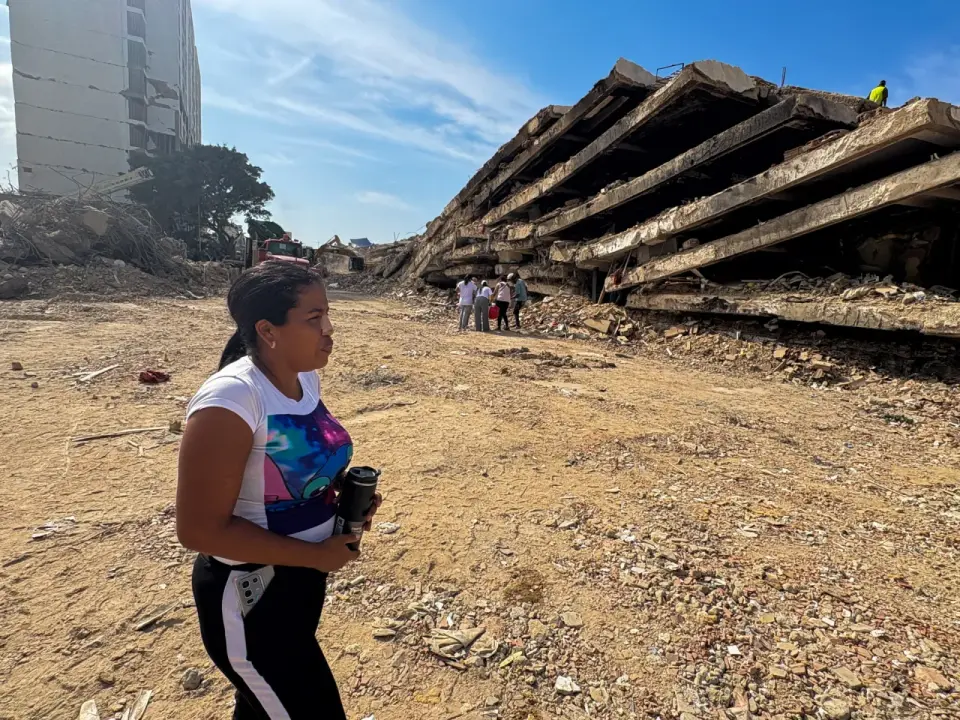
Six months after twin 7.2 and 7.5 magnitude earthquakes struck Venezuela on June 24, 2026, the coastal state of La Guaira faces a critical conflict between rapid demolition of unstable structures and the ongoing search for missing bodies. While the government reports 6,125 deaths and initiates controlled explosions to clear rubble, survivors and international aid groups argue that this hasty clearance destroys evidence needed to locate the thousands still unaccounted for. The World Bank estimates physical damage at $19.6 billion, prompting the 'Venezuela Renace' reconstruction program, yet families remain trapped in temporary camps due to fears of permanent displacement and inadequate official support.
Key points
- Twin earthquakes struck Venezuela on June 24, 2026, causing the collapse of nearly 190 buildings, including the OPPE 27 housing complex in Caraballeda, La Guaira.
- The Venezuelan government reports at least 6,125 confirmed deaths, but crowdsourced databases and aid groups suggest the missing are still numbered in the thousands, with some estimates previously reaching 50,000.
- Controlled demolitions began on July 30 in Catia La Mar, with more buildings scheduled for destruction to facilitate the 'Venezuela Renace' reconstruction program, which aims to build 1,875 homes in La Guaira.
- Survivors, such as Glenda Viloria, refuse to leave rubble sites to continue searching for missing relatives, citing a lack of government assistance and fear that demolition will destroy the only chance to recover bodies.
- The World Bank estimates physical damage at $19.6 billion, while approximately 24,477 people remain in 107 temporary camps across La Guaira, Caracas, Miranda, and Aragua.
Background
Previous coverage from July 2026 highlighted the slow pace of official rescue efforts, with amateur 'moles' and international teams continuing searches after state resources withdrew. Earlier reports noted a death toll surpassing 5,300 and an estimated 50,000 missing, with significant debris volumes estimated at 1.2 million tonnes by the UNDP. The current situation reflects the escalation from search to demolition, intensifying the tension between recovery and reconstruction.
How outlets are covering it
Al Jazeera emphasizes the human cost of demolition, highlighting survivor Glenda Viloria’s struggle to find her nephew Mateo and the traumatic process of recovering decomposed bodies. The New York Times describes La Guaira as 'unrecognizable,' focusing on the scale of destruction and the humanitarian camp conditions. Humane World for Animals highlights the resilience of local partners and the importance of animal welfare in disaster recovery, noting 1,710 animals assisted. WTOC focuses on the specific need for prosthetics and mobility aids for the 600 survivors who lost limbs, 40% of whom are children. Perspectives diverge on the efficacy of the government’s response: Al Jazeera and NYT critique the lack of official support and the hasty demolition, while the government frames the 'Venezuela Renace' program as a necessary step for recovery and stability.
Why it matters
The conflict between demolition and body recovery highlights a critical ethical dilemma in disaster response: the balance between immediate safety and long-term closure for families. The $19.6 billion damage estimate and the government’s reconstruction plans underscore the scale of the crisis, while the ongoing search for missing persons reveals the inadequacy of official rescue efforts. This situation affects not only the immediate victims but also the broader community, as temporary camps and displacement risks exacerbate social and economic instability in Venezuela’s most populated coastal regions.
What to watch
More buildings in La Guaira are expected to be demolished in the coming weeks to facilitate the 'Venezuela Renace' reconstruction program. The government aims to deliver 4,000 homes for displaced families by the end of the year. International aid groups, including Humane World for Animals and Senosalud Europa, will continue providing medical and animal welfare support. Survivors may face increased pressure to relocate from temporary camps, while the search for missing bodies will likely shift to underground or inaccessible areas as surface rubble is cleared.
- Demolition complicates the search for bodies after Venezuela’s earthquakes Al Jazeera
- On Venezuela’s Coast, Life Is Reduced to Survival and Burial The New York Times
- The Venezuela earthquakes: Finding hope and resilience amid the rubble Humane World for Animals
- Beaufort woman part of relief efforts for Venezuelan earthquake survivors in need of prosthetics wtoc.com
- Venezuela Earthquake: Flash Update #4 (31 July 2026) ReliefWeb
Want the full story? Read the original reporting
Read on Al Jazeera