
Bangladesh Sets New Garment Worker Minimum Wage at 17,000 Taka After Protests
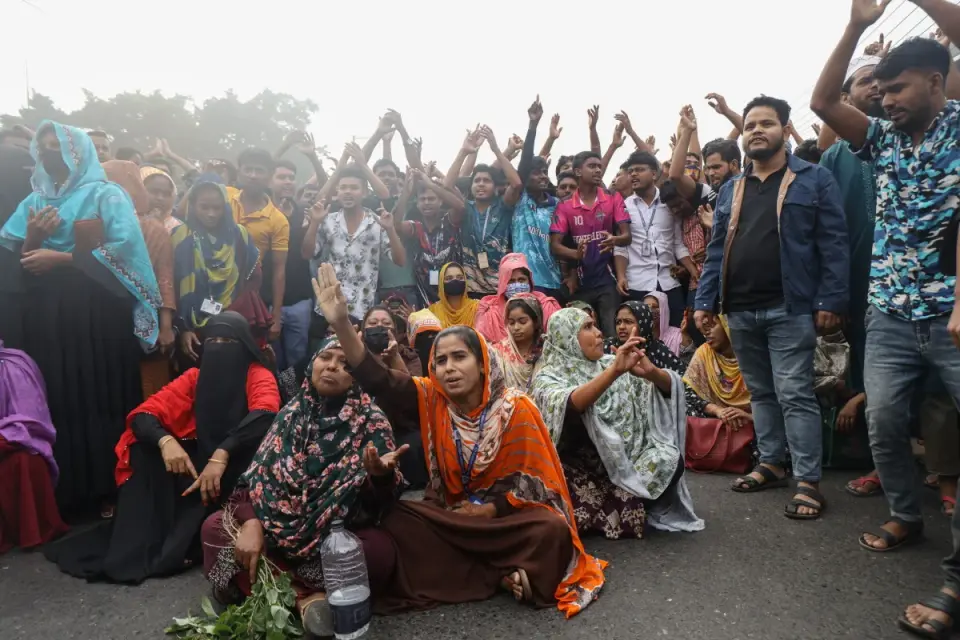
Bangladesh’s government-appointed wage board approved a 36% increase in the minimum monthly wage for entry-level garment workers, raising it from 12,500 to 17,000 takas ($136). This decision follows weeks of violent protests and factory closures by workers demanding a doubling of wages. The six-member board voted 4-2 to reject the workers’ demand for 18,000 takas, though it remains unclear if the new rate will end the unrest.
Key points
- The minimum monthly wage for entry-level garment workers in Bangladesh has been raised to 17,000 takas, up from 12,500 takas, representing a 36% increase.
- A government-appointed six-member wage board approved the new structure after nearly 12 hours of negotiations, with a 4-2 vote; two members supported the workers’ demand for 18,000 takas.
- The decision follows weeks of violent protests, clashes with police, and factory closures as workers demanded the minimum wage be doubled to address rising inflation.
- The garment sector accounts for approximately 80% of Bangladesh’s exports and employs about 4 million workers, mostly women from rural areas.
- It is not yet clear whether the new wage structure will satisfy the workers or end the ongoing labor unrest.
Background
The 2026 garment worker protests began in August and escalated in late October and early November, with tens of thousands of workers demanding the minimum wage be raised from 12,500 to 30,000 takas. The unrest led to the shutdown of over 529 factories and violent clashes in locations including Dhaka, Gazipur, and Savar. The previous minimum wage of 12,500 takas was set in November 2023, and an April 2026 amendment to the Bangladesh Labour Act reduced the wage review cycle from five to three years. The Global Living Wage Coalition estimated the 2025 living wage in Dhaka at 30,459 takas, far above the new minimum.
Why it matters
The garment industry is Bangladesh’s primary source of foreign currency, accounting for 80% of exports and employing 4 million workers. The wage increase aims to stabilize the sector and address inflation-driven unrest, but the gap between the new minimum and the living wage may sustain economic pressure on workers and global supply chains.
What to watch
The immediate focus is on whether the new wage structure will be accepted by workers and end the protests. If unrest continues, further negotiations or actions may be required. The next scheduled wage review under the new three-year cycle will occur in 2029.
Want the full story? Read the original reporting
Read on AP News