
Kenya Enforces Crackdown on Foreign Small-Scale Traders Amid Regional Tensions
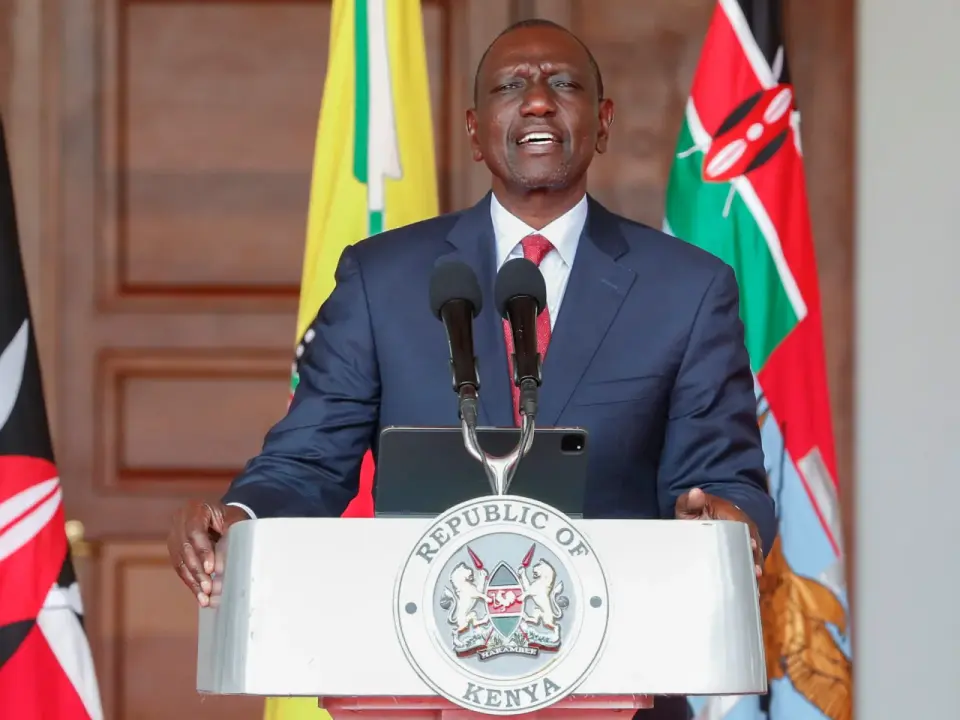
Kenya President William Ruto has ordered the shutdown of small retail shops and hawking operations run by foreign nationals, effective September 7. The move targets unlicensed traders while welcoming capital-intensive foreign investment. The directive aims to protect local micro, small, and medium enterprises (MSMEs) and is linked to the proposed Local Content Bill, 2025. While officials clarify that legally permitted foreigners remain protected, the action has sparked diplomatic friction with Burundi and raised concerns about xenophobia and regional trade reciprocity.
Key points
- President Ruto announced the crackdown on September 2, directing authorities to shut down foreign-run small businesses by September 7.
- The policy distinguishes between small-scale retail/hawking (reserved for Kenyans) and large-scale foreign investment (welcomed).
- The Local Content Bill, 2025, is being accelerated through Parliament to mandate local sourcing and employment for foreign firms.
- Foreign Affairs Principal Secretary Korir Sing’Oei stated that foreigners with valid work permits and licenses remain legally protected.
- Burundi’s Foreign Minister warned of potential retaliation, citing 'hate speech' and urging Kenya to protect Burundian citizens.
- Kenya’s 2023 foreign direct investment stock was valued at 1.458 trillion shillings ($11.27bn), with 98.4% of employees in foreign-invested firms being Kenyan.
Background
This crackdown follows a broader trend of economic nationalism in East Africa. Earlier in 2026, regional trade disputes, such as the US-Canada tariff war, highlighted the vulnerability of small businesses to cross-border policy shifts. Kenya’s move aligns with a strategic pivot to prioritize local economic participation over open-border trade for low-capital sectors, reflecting a shift from previous open-market policies.
How outlets are covering it
Al Jazeera emphasizes the protective intent for Kenyan MSMEs, citing experts who argue the policy prevents foreign traders from stifling local competition. BBC highlights the diplomatic fallout, noting Burundi’s embassy issued emergency travel documents and its minister threatened consequences if 'hate speech' continues. Businessfront frames the action as a political maneuver by Ruto to whip up public anger against foreign businesses ahead of upcoming elections, suggesting the policy is driven by populist economic nationalism rather than pure economic strategy. While Al Jazeera and BBC focus on legal compliance and diplomatic tensions, Businessfront questions the timing and motivation behind the crackdown.
Why it matters
The crackdown signals a shift in Kenya’s trade policy, potentially affecting regional economic integration within the East African Community. It may deter small-scale foreign investment but could boost local employment if implemented predictably. Diplomatic tensions with Burundi and other East African nations risk disrupting cross-border trade, as Kenyan traders also operate in those countries. The outcome depends on the passage of the Local Content Bill and the clarity of enforcement, which could either stabilize local markets or trigger retaliatory trade measures.
What to watch
Parliament is expected to fast-track the Local Content Bill, 2025, as directed by Ruto. Authorities will continue administrative actions against unlicensed foreign traders. Diplomatic channels between Kenya and Burundi will likely intensify, with Kenyan representatives attending meetings in Burundi to address concerns. The government will clarify permit requirements for foreign investors to distinguish between compliant and non-compliant entities.
- Why is Kenya cracking down on foreign traders and small retailers? Al Jazeera
- Kenya minister warns foreigners against 'misusing' visas to trade BBC
- Government assures foreign traders, workers of legal protection after Ruto remarks The Eastleigh Voice
- Visa-Free Does Not Mean Free to Trade, Kenya Warns Foreigners The Kenyan Wallstreet
- As election draws close, Kenya’s Ruto whips up public anger against foriegn businesses Businessfront
Want the full story? Read the original reporting
Read on Al Jazeera