
Hull home education numbers surge to 1,086 as parents seek flexibility and SEND support
The number of children educated at home in Hull has risen sharply, reaching 1,086 by March 2026, up from 380 in 2022. This trend mirrors a national increase in England, where 126,000 children were home-educated in autumn 2025. Drivers include greater awareness of special educational needs and disabilities (SEND), pandemic-related confidence shifts, and desires for personalized learning or flexibility for activities like competitive sports. While some parents report improved well-being for their children, experts debate the social implications, and new legislation aims to strengthen oversight.
Key points
- Hull City Council reports 1,086 children were home-educated in the year to March 2026, a significant jump from 380 in autumn 2022 and 830 in autumn 2025.
- National figures from the Department for Education show 126,000 children in England were home-educated in autumn 2025, compared to 86,200 in spring 2022-23.
- Prof Richard Woolley of the University of Hull notes that 16% of home-educated children had an additional SEND requirement, citing increased societal awareness of neurodiversity and specific needs as a key factor.
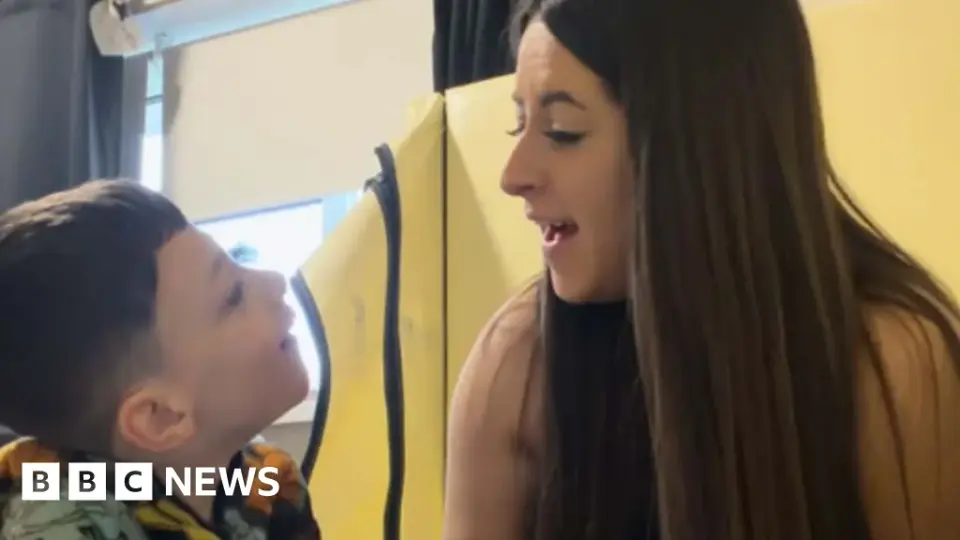
- A Hull parent, Aimee, withdrew her son George, who has profound and multiple learning disabilities, from a specialist school, stating he was happier and more settled at home despite continued access to specialists.
- Another parent, Nazreen, a former teacher, home-educated her 14-year-old daughter to accommodate competitive tennis schedules and avoid what she described as a negative school environment.
- The Children's Wellbeing and Schools Act 2026, effective April 2026, established a Not in School register and gave councils powers to intervene, though the children's commissioner calls for more funding and staff to support families and monitor risks.
Background
This surge in home education follows a period of pandemic-related disruptions, which some experts suggest made parents more confident in managing their children's learning. It also coincides with broader national debates about educational technology and school environments, as seen in recent US disputes over edtech mandates and AI policies. While the archive notes unrelated events in Hull, such as the arrival of long-distance walker Karl Bushby, the current focus is on the structural and social shifts in local education provision.
Why it matters
The rapid increase in home education raises questions about the adequacy of mainstream schools in meeting diverse needs, particularly for children with SEND. It highlights tensions between parental autonomy and state oversight, with new legislation attempting to balance support for families with protections for children's welfare. The trend may also reflect broader societal shifts in how education is perceived and delivered.
What to watch
Councils will need to implement the new Not in School register and allocate resources for monitoring and supporting home-educated families. There may be further public debate on the effectiveness of home education versus school-based learning, particularly regarding social development and long-term outcomes. Parents may continue to seek alternatives if they feel schools do not meet their children's specific needs or lifestyle requirements.
Want the full story? Read the original reporting
Read on BBC