
WHO Chief Inspects Cuba's Collapsing Healthcare Amid US Sanctions
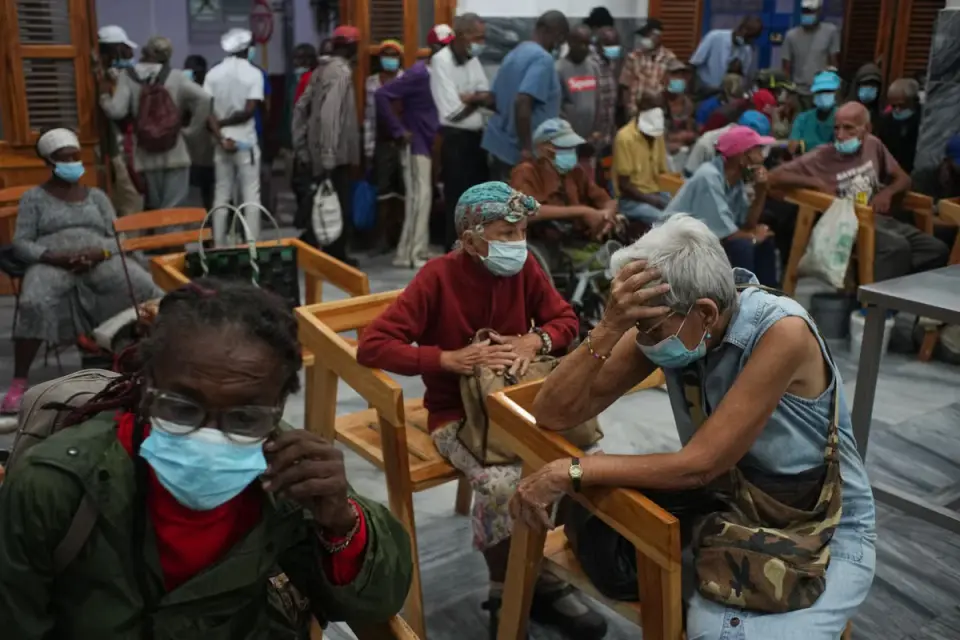
WHO Director-General Tedros Adhanom Ghebreyesus is in Cuba for a three-day visit to assess a healthcare system in severe decline. He toured a dark pediatric cardiology facility and met with health officials. The visit highlights a crisis driven by US energy sanctions, which have caused fuel shortages and left hospitals without basic supplies like vaccines and anesthetics. A June report showed pediatric cancer survival rates dropped from 85% to 65% since the energy blockade began in January. Tedros pledged to mobilize international support to address the island's urgent medical needs.
Key points
- WHO Director-General Tedros Adhanom Ghebreyesus arrived in Cuba on Sunday for a three-day official visit, marking his second trip to the island in this role.
- Tedros toured a pediatric cardiology facility that was operating without power, accompanied by Cuban Public Health Minister José Ángel Portal Miranda.
- Cuba's historically strong universal healthcare system is facing a severe crisis due to deep economic troubles and persistent power outages.
- US-imposed energy sanctions have intensified fuel scarcity, destabilizing the economy and disrupting medical operations.
- Hospitals across the country are lacking basic medical provisions, including vaccines, gauze, anesthetics, and syringes.
- Facilities are unable to acquire replacement parts for critical diagnostic tools, such as CT scan machines and hemodialysis units.
Background
Cuba has long been recognized for its universal healthcare system, which historically achieved health metrics comparable to wealthy nations, including low mortality rates and high vaccination rates. The current crisis represents a significant reversal of these achievements, driven by years of economic stagnation and external pressures. The recent decline in pediatric cancer survival rates underscores the severe impact of the energy blockade on the country's ability to maintain essential medical services.
Why it matters
The collapse of Cuba's healthcare system serves as a stark example of how geopolitical sanctions and economic instability can directly undermine public health infrastructure. The shortage of basic medical supplies and the inability to maintain diagnostic equipment threaten the lives of patients across the island. This situation highlights the broader implications of international policy on global health security and the vulnerability of even historically robust healthcare systems to external economic pressures. The WHO's involvement signals a potential shift in international support for the island's medical needs.
What to watch
Tedros Adhanom Ghebreyesus will continue his three-day itinerary in Cuba, including visits to biotechnology and health facilities and meetings with top officials. He is expected to hold a news conference to outline potential international support measures. The outcome of these discussions will determine the extent of aid mobilized for Cuba's healthcare system in the coming months.
Want the full story? Read the original reporting
Read on The Independent