
South Sudan Delays First National Elections to February 11 Amid Deepening Political Crisis
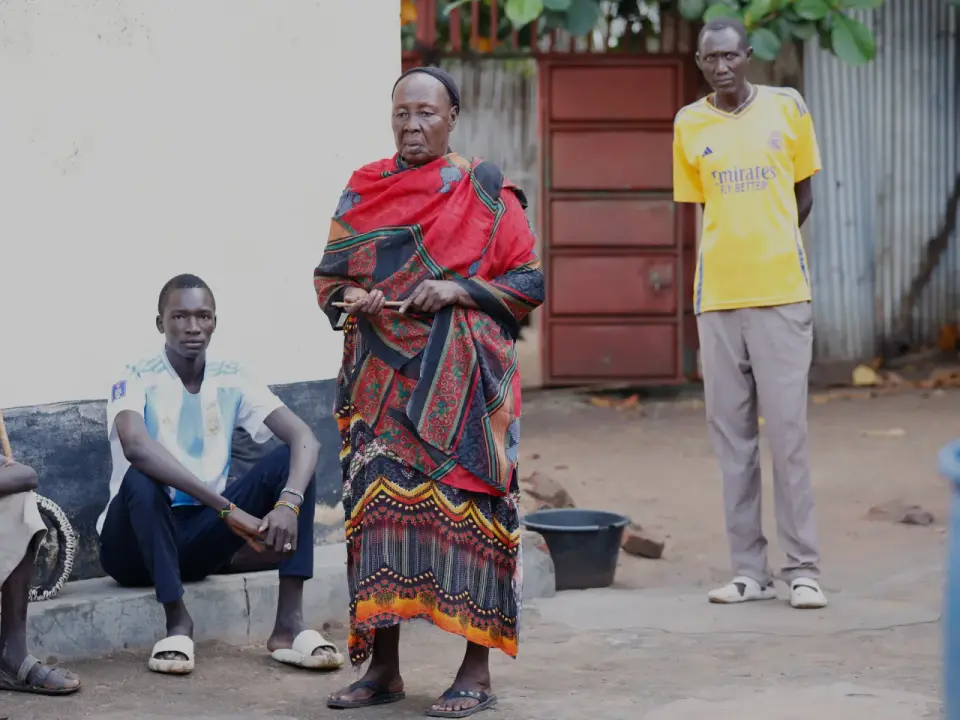
South Sudan has postponed its first-ever presidential and parliamentary elections from December 22 to February 11, 2027. The National Elections Commission announced the delay without providing a specific reason, marking the latest in a series of postponements since the vote was originally scheduled for 2022. Voter registration begins on November 14, with a 45-day campaign period set to start in late December. The delay occurs amid escalating ethnic tensions, a recent dissolution of the transitional government by President Salva Kiir, and ongoing violence involving forces loyal to detained former Vice President Riek Machar.
Key points
- The National Elections Commission set the new election date for February 11, 2027, replacing the previous December 22 schedule.
- Voter registration will run from November 14 to November 28, utilizing 3,161 registration centers and over 22,000 staff.
- President Salva Kiir dissolved the transitional unity government in September, appointing a caretaker administration to bypass requirements for a permanent constitution and census.
- UN human rights commissioner Yasmin Sooka described Kiir's move as a 'constitutional coup' that consolidates power and risks renewed conflict.
- Approximately 90% of South Sudan's 15 million residents lack state-recognized identification, requiring community leaders to issue temporary identification forms for voting.
Background
South Sudan, which gained independence in 2011, has struggled with instability since a civil war between 2013 and 2018 that killed at least 400,000 people. A 2018 peace deal ended the conflict but left power-sharing arrangements fragile. Recent months have seen deadly confrontations between government forces and supporters of Riek Machar, who has been under house arrest since March 2026 on accusations of crimes against humanity. Border tensions with Sudan have also escalated, including drone strikes in the disputed Abyei region in October 2026 that killed over 300 people, further complicating the security environment ahead of the delayed vote.
Why it matters
The postponement highlights the fragility of South Sudan's democratic transition and the concentration of power in President Kiir's hands. The lack of a permanent constitution or census, combined with the dissolution of the transitional government, undermines the inclusivity of the political process. With high rates of unregistered citizens and ongoing ethnic violence, the February election may fail to resolve deep-seated grievances, potentially prolonging instability in one of the world's poorest and most conflict-prone nations.
What to watch
Voter registration will proceed through November 28, followed by a 45-day campaign period from December 27 to February 9. A one-day silence period will precede the February 11 vote. Analysts will monitor whether the caretaker government can maintain stability or if the consolidation of power triggers renewed widespread conflict, particularly given the unresolved status of Riek Machar and ongoing border tensions with Sudan.
Want the full story? Read the original reporting
Read on Al Jazeera