
Second Hormuz Strike on Qatari LNG Tanker Extends Force Majeure Amid Regional Chaos
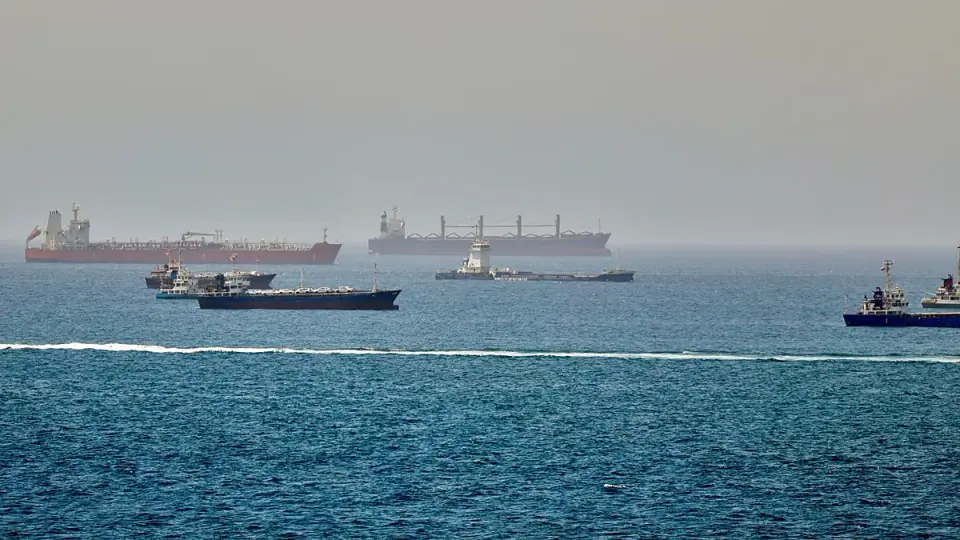
A second attack on a Qatari LNG tanker in the Strait of Hormuz within a month has deepened supply disruptions. QatarEnergy has extended force majeure declarations, affecting 24 cargoes for Italian utility Edison. While crude oil flows have partially recovered, LNG shipments remain stalled due to security risks and rising insurance costs.
Key points
- The GasLog Shanghai, an LNG tanker loaded in Qatar, was struck by a projectile off Oman on August 1, 2026. It is the second such incident in the Strait of Hormuz in less than a month, following an attack on the Al Rekayyat in July.
- QatarEnergy has maintained force majeure status on some contracts since March, following Iranian strikes on the Ras Laffan complex. This has led to 24 undelivered cargoes for Italian utility Edison, representing approximately 3 billion cubic metres of gas.
- The Strait of Hormuz is Qatar's only maritime route for its 77 million tonnes of annual LNG exports. The repeated attacks have caused insurance premiums to rise and forced shipowners to reassess transit risks.
- While crude oil traffic through Hormuz has recovered to 30-35% of pre-war levels, LNG flows remain severely disrupted. The latest incidents are described as bullish for gas prices due to strong European demand for winter storage.
- The attacks occur amid broader regional instability, including Iranian drone strikes on US bases in Kuwait and ongoing US-Iran tensions, which have complicated diplomatic efforts to secure a deal on the strait and denuclearization.
Background
This development follows a series of maritime incidents in the Gulf in 2026, including a US strike on an unladen tanker near Hormuz in July and Houthi attacks on Saudi tankers in the Red Sea. Earlier in August, a missile struck the same GasLog Shanghai vessel, damaging its engine room. The current situation is part of a broader escalation involving US-Iran hostilities, which began with strikes on Iranian military sites and retaliatory actions by Iran against Gulf states.
How outlets are covering it
Euronews emphasizes the impact on LNG supply chains and the financial implications for QatarEnergy, noting that force majeure is unlikely to be lifted while security risks persist. CNBC focuses on the broader energy market, highlighting that crude oil flows have partially recovered, which has eased supply concerns and lowered oil prices, despite the LNG disruptions. The Jerusalem Post contextualizes the Hormuz incident within a wider regional conflict, linking it to Iranian drone attacks on US bases in Kuwait and the failure of US-Iran negotiations, suggesting that the maritime attacks are part of a broader geopolitical confrontation.
Why it matters
The repeated attacks on LNG tankers in the Strait of Hormuz threaten global energy security, particularly for Europe, which relies on Qatari LNG to refill storage ahead of winter. The extension of force majeure by QatarEnergy could lead to higher gas prices and supply shortages, exacerbating economic instability. The situation also highlights the vulnerability of critical maritime routes to geopolitical conflicts, potentially leading to long-term shifts in global energy trade patterns.
What to watch
QatarEnergy is expected to maintain force majeure declarations until the security situation in the Strait of Hormuz stabilizes. Insurance premiums for LNG shipments are likely to continue rising, increasing the cost of transit. Diplomatic efforts between the US and Iran may resume, but the recent failure of talks suggests that a resolution is not imminent. The global gas market may see further price increases as European demand for winter storage intensifies.
- Second tanker with Qatari LNG struck in Hormuz as force majeure widens Euronews.com
- Tanker Carrying Qatari LNG Struck While Transiting Hormuz Bloomberg.com
- Oil prices rise after Iran says it attacked two tankers transiting Strait of Hormuz CNBC
- Greek shipper GasLog says LNG tanker stable after Strait of Hormuz incident Reuters
- Vessel hit by projectile near Strait of Hormuz as explosions heard in Kuwait, Iraq - report The Jerusalem Post
Want the full story? Read the original reporting
Read on Euronews.com