
Saudi Arabia Reroutes Oil via Egypt to Bypass Houthi Red Sea Blockade
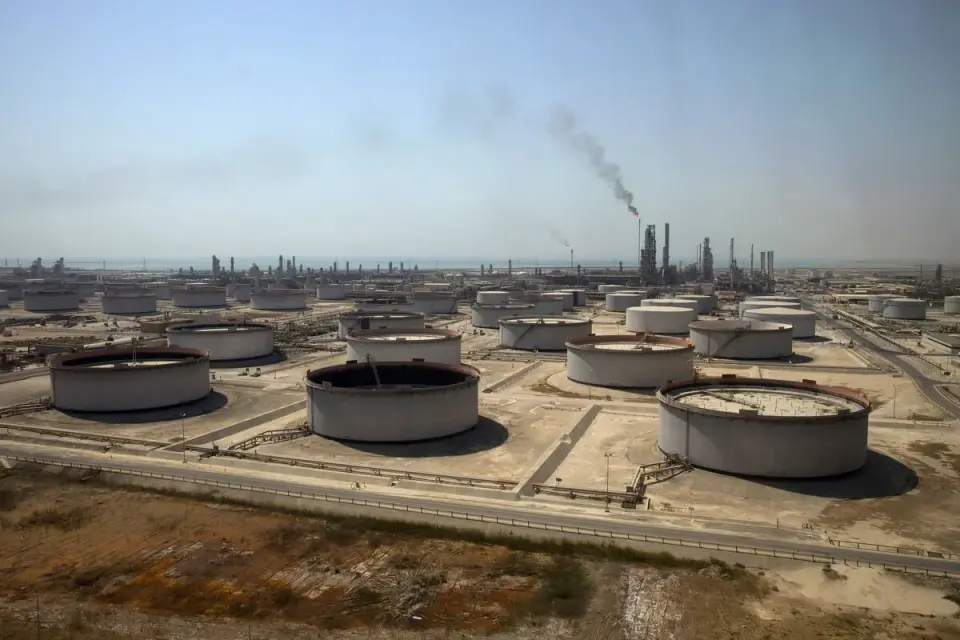
Saudi Arabia is significantly increasing oil exports through the Sumed pipeline in Egypt to bypass Houthi attacks in the Red Sea. Exports from the Mediterranean port of Sidi Kerir have more than doubled to 2.3 million barrels per day in August, up from 1 million in July. This strategic shift aims to maintain supply to Europe and the U.S. while avoiding the Bab el-Mandeb Strait, where Houthi attacks have reduced Saudi exports by nearly 90% since the blockade began in July.
Key points
- Oil exports from Egypt's Sidi Kerir port have more than doubled to 2.3 million barrels per day in August, up from 1 million in July, according to Kpler.
- Saudi Arabia is using the Sumed pipeline to move crude from the Red Sea port of Ain Sokhna to the Mediterranean, bypassing Houthi-controlled waters.
- Saudi exports through the Bab el-Mandeb Strait dropped nearly 90% to 1.3 million barrels in early August, compared to 11 million barrels in late July.
- The rerouting strategy is intended to supply Europe and the U.S., as Asian customers face longer and more expensive voyages around Africa.
- Saudi Aramco CEO Amin Nasser confirmed the kingdom has alternative pathways to the Mediterranean via the Sumed pipeline and Suez Canal.
Background
This development follows a series of regional disruptions in 2026. In July, Iran and Saudi Arabia discussed stability in the Strait of Hormuz amid a tentative pause in US-Iran hostilities. Earlier in August, Oman struggled to contain a large oil spill from a stricken tanker near protected reefs. Additionally, tensions over the Bab el-Mandeb Strait had already forced some tankers to turn away from the Red Sea, prompting discussions about using the Suez Canal as a partial alternative, though analysts noted this would not fully replace direct Red Sea routes due to increased costs and voyage times.
How outlets are covering it
Bloomberg highlights the potential for Saudi oil to be shuttled through Oman, suggesting a broader strategy to avoid Houthi attacks. The Washington Post focuses on the Houthi militia's new naval strategy, emphasizing their ability to weaponize shipping without traditional naval power. CNBC provides detailed data on the shift to the Sumed pipeline, noting that while this helps supply Europe and the U.S., Asian customers are likely to avoid the longer, more expensive route around Africa. Kpler's Matt Smith describes the situation as a 'distinct change in strategy' and a 'big dislocation' in oil flows, indicating a long-term shift rather than a temporary adjustment.
Why it matters
The rerouting of Saudi oil through Egypt highlights the growing impact of Houthi attacks on global energy markets. By bypassing the Red Sea, Saudi Arabia aims to maintain supply to key markets like Europe and the U.S., but the increased costs and longer voyage times could affect Asian customers and global oil prices. This strategic shift underscores the vulnerability of major oil chokepoints and the need for alternative supply routes in the face of regional conflicts.
What to watch
Analysts expect the rerouting through the Sumed pipeline to continue as a long-term strategy. However, the increased costs and longer voyage times may lead to a 'domino effect' in global oil markets, with other crude sources potentially shifting to fill gaps. The situation remains tense, with the possibility of further Houthi attacks and regional instability affecting oil flows and prices.
- Saudis Offer to Sell Oil Near Oman, a Possible Sign They’re Sailing Dark Through Hormuz Bloomberg.com
- Opinion | How the Houthis built a blockade without a navy The Washington Post
- Asian Refiners Ask to Pick Up Saudi Oil Outside Risky Red Sea Yahoo Finance
- Saudi Aramco offers crude outside Hormuz to some Asian refiners, sources say Reuters
- Saudi Arabia ramps up oil exports through Mediterranean pipeline to avoid attacks in Red Sea CNBC
Want the full story? Read the original reporting
Read on Bloomberg.com