
Germany cuts fuel tax by 17 cents as Middle East war drives prices to record highs
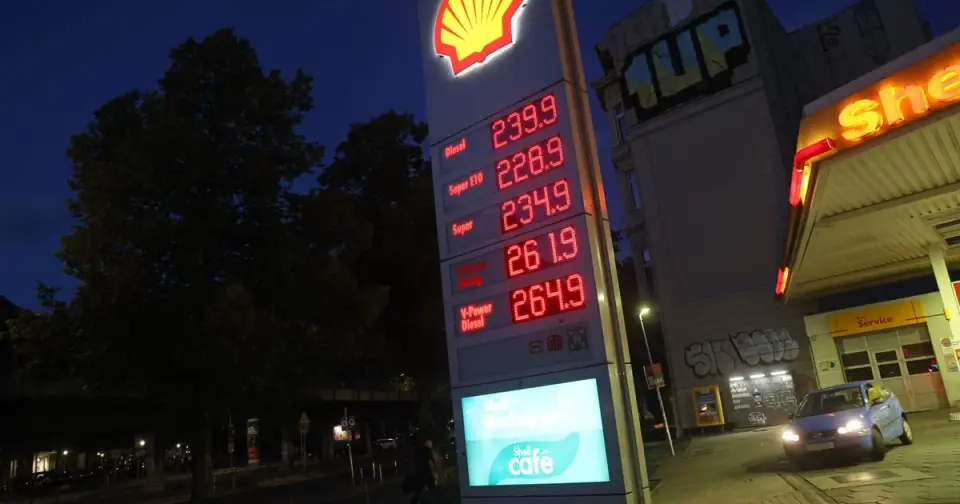
Germany is implementing a €2.5 billion relief package that lowers fuel taxes by 17 cents per liter, effective next month, to counter soaring prices caused by the Iran war and Houthi-Saudi conflicts. Chancellor Friedrich Merz announced the measure alongside plans for a temporary price cap by January 2027. While Finance Minister Lars Klingbeil pushes for an EU-wide windfall tax on oil companies, Economy Minister Katherina Reiche opposes such measures, citing risks to domestic refineries. The SPD has issued a 14-day ultimatum to oil firms to voluntarily cut prices or face state-imposed caps.
Key points
- Germany will reduce petrol and diesel taxes by 17 cents per liter starting next month as part of a €2.5 billion relief package.
- The government plans to introduce a temporary fuel price cap by January 1, 2027, modeled on policies in Luxembourg and Belgium.
- Finance Minister Lars Klingbeil is urging the European Commission to propose a windfall tax on oil companies by the end of October.
- Economy Minister Katherina Reiche opposes windfall taxes and price caps, arguing they could harm Germany's eleven domestic refineries.
- The SPD has set a 14-day deadline for oil companies to voluntarily reduce margins or face a government-imposed price cap.
Background
This response follows a sharp rise in global oil prices, with Brent crude exceeding $100 per barrel in September 2026 due to the Iran war and Houthi attacks on Saudi infrastructure. Previous coverage noted that these conflicts have triggered fuel price spikes and protests across multiple countries, including the US, where diesel reached record highs. Germany's measures are part of a broader European effort to manage energy costs amid supply disruptions.
How outlets are covering it
Politico highlights the government's dual approach of tax cuts and price caps, noting the internal conflict between the SPD-led finance ministry and the CDU-led economy ministry. The Munich Eye emphasizes the SPD's aggressive 14-day ultimatum to oil companies, framing it as a push for consumer protection against perceived profiteering. Yahoo's content was inaccessible due to a technical error, so no additional perspective could be extracted from that source. The primary disagreement lies between Klingbeil, who views oil profits as exploitative, and Reiche, who warns that intervention could undermine Germany's energy independence and refinery sector.
Why it matters
The decision impacts millions of German drivers facing financial strain from record fuel costs. It also sets a precedent for EU energy policy, as Germany pushes for a bloc-wide windfall tax, potentially influencing how other member states address corporate profits during geopolitical crises. The internal German debate reflects broader tensions between consumer relief and industrial stability in the energy sector.
What to watch
The tax cut will take effect next month, while the price cap is targeted for January 1, 2027. The European Commission is expected to respond to the windfall tax proposal by the end of October. The SPD's 14-day deadline for oil companies to act will likely trigger further negotiations or government intervention if voluntary measures fail.
- Germany cuts fuel tax as Middle East conflicts send prices soaring politico.eu
- Germany cuts energy tax to offer motorists relief from soaring fuel prices Reuters
- Germany news: Merz government approves fuel-price discount DW.com
- Gasoline Tops $10 a Gallon in Germany Yahoo
- SPD Sets 14-Day Deadline on Fuel Price Cap Proposal The Munich Eye
Want the full story? Read the original reporting
Read on politico.eu