
Solar Surges to 25% of EU Power as Heatwaves Strain Grids
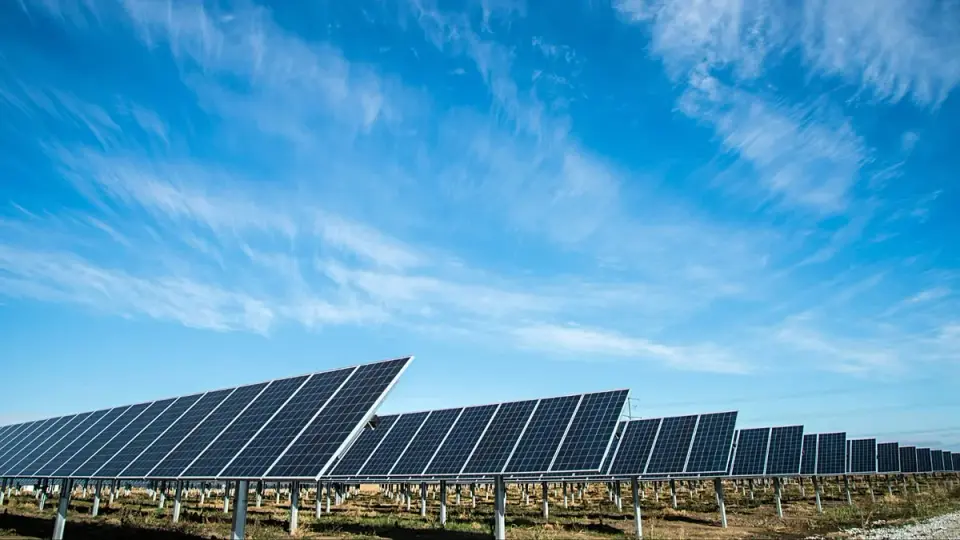
Europe’s 2026 heatwaves drove electricity demand up by as much as 28% in Italy, yet solar generation rose by up to 17% to stabilize grids. While solar output hit record levels, evening price spikes and nuclear outages due to low water levels exposed critical gaps in energy storage and cooling infrastructure.
Key points
- Solar generation in France and Hungary increased by 17% during heatwave days, while Spain and Italy saw a 5% rise, according to Ember.
- Daily electricity demand surged by 28% in Italy, 23% in Hungary, 14% in France, and 13% in Spain compared to pre-heatwave averages.
- Electricity prices spiked by 119% in Hungary and 44% in France, reaching levels not seen since the 2022 gas crisis in some markets.
- Nuclear output was curtailed in Romania and Hungary due to low Danube River levels, with Romania using underwater explosions to improve cooling flow.
- France reduced nuclear output due to environmental regulations on water temperature, with up to 43% of capacity unavailable on July 12.
Background
Previous coverage noted extreme heat impacting other sectors, such as the shortened Tour de France stage in July 2026, highlighting the broader societal strain of the heatwave. The current energy crisis follows a pattern of increasing climate-related disruptions to infrastructure, as seen in earlier reports on drought and heat impacts.
How outlets are covering it
Euronews and Ember emphasize solar’s role in mitigating demand spikes, noting it was the only major source to perform better than usual. CNBC highlights the severe consequences for nuclear power, detailing Romania’s drastic measures like dredging and underwater explosions to keep reactors running. Ember points out that while solar helps during the day, evening price spikes reveal a lack of flexibility, urging investment in battery storage. All sources agree that climate change is intensifying these events, but they differ in focus: Euronews and Ember highlight the solution (solar/storage), while CNBC focuses on the crisis (nuclear shutdowns/economic impact).
Why it matters
The 2026 heatwaves demonstrate that Europe’s energy grid is vulnerable to climate extremes, with solar providing temporary relief but insufficient for evening peaks. The economic cost, estimated at 180 billion euros by Triodos, underscores the need for resilient infrastructure, including battery storage and upgraded cooling systems, to prevent future blackouts and price spikes.
What to watch
Governments are expected to accelerate investments in battery storage and demand response to address evening price spikes. Nuclear operators may implement upgraded cooling systems or schedule maintenance around extreme heat periods. Regulatory bodies may enforce stricter water temperature limits, potentially leading to more frequent nuclear outages during hot summers.
- Solar helps 'stabilise' Europe’s grids as heatwaves spike power demand Euronews.com
- Nuclear power plants are being shut down as Europe’s drought becomes an energy crisis CNBC
- Heat Wave and Solar Eclipse Send Europe Power Prices Soaring Bloomberg.com
- European power prices jump as heatwave curbs French nuclear output, German wind Reuters
- Solar helps Europe’s grid withstand extreme heat ember-energy.org
Want the full story? Read the original reporting
Read on Euronews.com