Tag

Electricity Prices

All articles tagged with #electricity prices

Northeast Braces for Sharpest Winter Heating Bill Rise
energy24 days ago

Northeast Braces for Sharpest Winter Heating Bill Rise

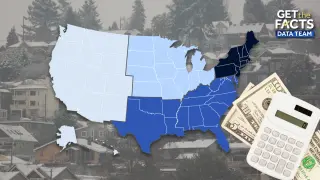
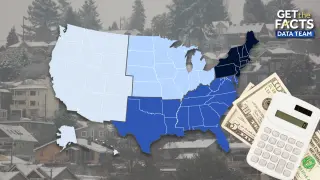
NEADA projects heating costs rising nearly 9% this winter, averaging about $1,030 per household from mid-November to mid-March, with the Northeast hit hardest at roughly $2,297 for heating oil and $1,885 for electricity. Higher oil prices and growing electricity demand drive the jump, even as El Niño suggests a warmer season. Households are urged to plan budgets, boost energy efficiency (caulking leaks, upgrading furnaces), and explore available energy-assistance programs to cope with higher bills.
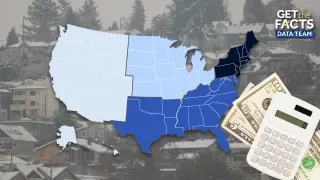
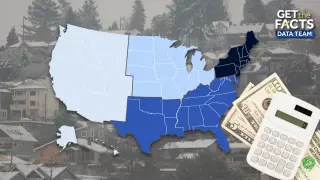
Northeast Braces for Sharp Rise in Winter Heating Costs
business25 days ago

Northeast Braces for Sharp Rise in Winter Heating Costs

Despite El Niño, U.S. households are projected to spend about $1,030 on heating this winter—a roughly 9% increase from last season—with the Northeast hit hardest by reliance on heating oil and higher electricity rates; heating oil is expected to average about $2,297 in the region and electricity about $1,885, prompting energy-saving steps and consideration of assistance programs.

Northeast Braces for Largest Winter Heating Bill Increase
business25 days ago

Northeast Braces for Largest Winter Heating Bill Increase

Even with a stronger El Niño, NEADA projects U.S. households will spend about $1,030 on winter heating (up $82) this season. The Northeast bears the biggest hit, with heating oil averaging $2,297 and electricity about $1,885, while Midwest electricity is around $1,499. Higher prices come from global oil-market shifts, inflation, and rising energy demand, prompting calls for energy-efficiency measures and budgeting planning.

Northeast Braces for Biggest Jump in Winter Heating Costs
economy25 days ago

Northeast Braces for Biggest Jump in Winter Heating Costs

NEADA projects U.S. winter heating costs to rise about 9% this year, averaging $1,030 per household from mid‑November to mid‑March; heating oil leads the surge, up about 31% to near $2,300, while electricity costs rise around 9%. The Northeast bears the heaviest burden due to longer winters and heavier oil use, with typical bills roughly $2,297 for oil and $1,885 for electricity. Families are urged to tighten energy use, seal leaks, consider newer furnaces, and explore available energy-assistance programs.

Husted defends energy policy amid data-center price fears in Ohio race
politics1 month ago

Husted defends energy policy amid data-center price fears in Ohio race

Sen. Jon Husted defended Trump-era energy and economic policies during a Middletown visit with Vice President Vance as Republicans warn that backlash over data centers could imperil his Ohio Senate bid against Sherrod Brown. Husted argued higher electricity costs stem from Democratic policies that closed power plants, not data-center construction, and highlighted a $1 billion manufacturing investment tied to a DOE grant for Cleveland-Cliffs. Ohio hosts major data-center projects, making the issue a potential campaign flashpoint.

AI data centers push up household energy costs, study finds
business1 month ago

AI data centers push up household energy costs, study finds

A Federal Reserve Bank of Dallas study links rapid AI data-center growth to higher wholesale electricity prices (about 2%–6% nationwide, larger where centers are concentrated). Since energy costs make up a large share of typical retail bills, this could translate into higher household bills in the coming years, with a mid-range forecast showing electricity costs 20%–30% higher by 2028 if data-center growth continues. Data centers’ massive energy needs may require more generation and grid upgrades, and regulators are weighing who pays for these upgrades as states such as Texas, Pennsylvania and New York tighten oversight or pause new hyperscale projects to manage grid strain.

NH residents brace for higher electric bills as new pricing rules take effect
business2 months ago

NH residents brace for higher electric bills as new pricing rules take effect

New Hampshire’s Public Utilities Commission approved rate increases from Liberty, Unitil, Eversource, and the Community Power Coalition of NH, meaning most residents will see about $6 to $18 more per month starting Aug. 1 as the supply rate—the cost of electricity itself—rises under a new pricing mechanism that splits purchases between a fixed price and the ISO‑NE daily spot market. The change, driven by a harsh winter, Middle East tensions, and regulators’ attempt to better reflect wholesale costs, requires utilities to recoup prior forecast shortfalls. Critics warn the spot-market component adds price volatility for consumers, while CPCNH members may pay more or less depending on territory; in Unitil and Eversource areas, monthly boosts for coalition members are around $6.11 to $6.47. Consumers can explore other energy suppliers, underscoring ongoing volatility in New Hampshire’s electricity prices.

Arizona Tops U.S. Summer Electricity Bills as Cooling Costs Rise
business3 months ago

Arizona Tops U.S. Summer Electricity Bills as Cooling Costs Rise

A Voronoi visualization ranks projected summer electricity bills by state using NEADA estimates based on EIA prices and NOAA forecasts. Arizona leads at about $1,060 (June–September), Connecticut around $994, and Texas about $936, with the U.S. average at $792 and Washington and North Dakota near $488. Rising electricity prices and hotter summers are driving cooling costs higher, and roughly one in six households is behind on utility bills, with total utility debt projected to $23 billion this year.

Exelon warns AI-driven demand could spark US blackouts by 2027
business3 months ago

Exelon warns AI-driven demand could spark US blackouts by 2027

Exelon CEO Calvin Butler warned in the Financial Times that the U.S. could face blackouts as soon as 2027 due to a shortage of power plants in the Northeast and Midwest driven by AI data-center demand. PJM projects a 60 GW power shortfall over the next decade, while electricity prices have climbed nationwide; utilities argue higher bills are needed to fund grid upgrades. Exelon is upping capital expenditure and lobbying for regulatory changes to let utilities own more generation as regulators scrutinize rate increases amid inflation and growing demand.

Data centers: potential town windfall amid environmental trade-offs
politics4 months ago

Data centers: potential town windfall amid environmental trade-offs

Data centers aren’t inherently good or bad for towns: the costs and benefits depend on local energy sources, grid reliability, and policy choices. Hyperscale campuses can raise air pollution and electricity bills in some places, but can also boost job creation and tax revenue, especially where grids are clean and policy is favorable. Brookings finds modest employment gains and longer‑term IT jobs in counties that host centers, while places like Loudoun County show substantial tax revenue. Water use is relatively small with closed‑loop cooling, and smart siting/regulation can tilt outcomes toward net community gains.

politics5 months ago

Northeast braces for higher electricity bills as Virginia re-enters cap-and-trade

Virginia’s return to RGGI is driving a spike in carbon allowances, risking higher Northeast electricity bills as data centers and gas prices push wholesale costs; states weigh using auction revenue for relief and efficiency, while Republicans attack affordability and Democrats defend reliability and renewables investments.

AI-Driven Data Centers Push Home Energy Bills Higher
technology5 months ago

AI-Driven Data Centers Push Home Energy Bills Higher

CBS News reports that the AI-powered data-center boom is lifting electricity costs for households in at least 13 states; in Georgia, bills have jumped and residents report extreme measures like turning off heat as data centers tap discounted power after the Vogtle plant came online. Bloomberg notes some neighbors near centers pay as much as 267% more than five years ago, while Maine vetoes a bill to ban new data centers as policy debates continue. Georgia Power says residential rates aren’t subsidized by data-center growth, but advocates warn stronger protections are needed.