
Saudi East-West Pipeline Closure Deepens Oil Supply Crisis Amid Hormuz Tensions
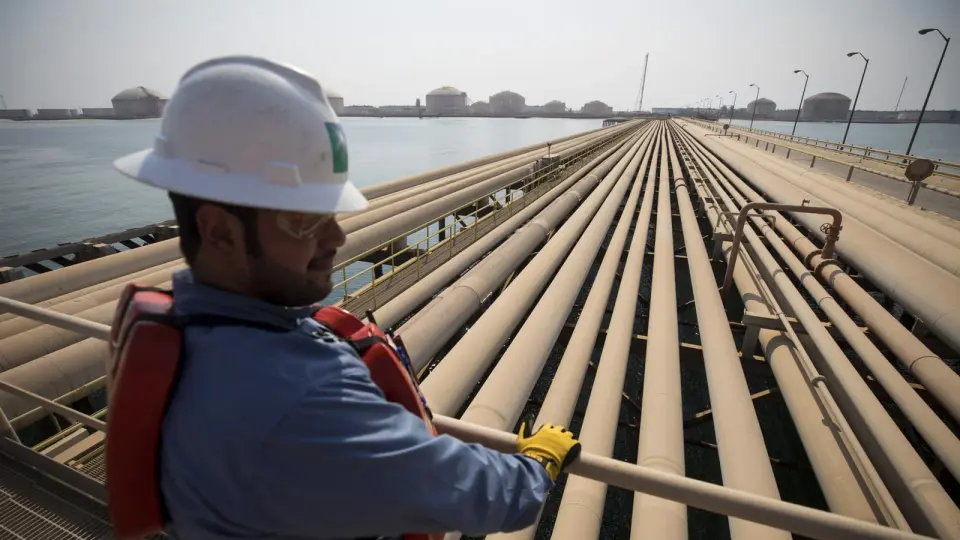
Crude oil prices surged on Sunday after Saudi Arabia shut down its critical East-West pipeline, a key route for bypassing the Strait of Hormuz. The closure followed drone attacks originating from Iraq, which damaged the infrastructure capable of carrying 7 million barrels per day. This disruption exacerbates existing supply constraints caused by the Iran war and recent Houthi advances in Yemen, while diplomatic talks between Iran and Gulf states were postponed.
Key points
- U.S. West Texas Intermediate futures rose 2.8% to $102.87 per barrel, while Brent crude increased 3.1% to $107.87 per barrel following the pipeline shutdown.
- Saudi Arabia closed the East-West pipeline as a precaution after drones launched from Iraq damaged it on Thursday; Riyadh has not disclosed the extent of the damage or the duration of the closure.
- The pipeline, which transports 7 million barrels daily from the Persian Gulf to Red Sea export terminals, has been vital for stabilizing oil markets during the Iran war, according to Saudi Aramco CEO Amin Nasser.
- A diplomatic meeting between Iran and Gulf Arab states scheduled for Monday in Oman was postponed after the attack, with Oman’s Foreign Minister Badr Albusaidi citing the need for consensus.
- Houthi militants in Yemen have recently seized Perim Island and the port city of Mokha, strengthening their position to disrupt oil flows through the Bab el-Mandeb Strait, where they declared a maritime embargo in July.
Background
This development follows a series of attacks on Saudi infrastructure in September 2026, including drone strikes on the East-West pipeline and facilities in Riyadh and Madinah. Previous reports indicated that Iraq acknowledged the drones originated from its soil, leading to the dismissal of a provincial commander, while U.S. President Donald Trump suggested Iran was likely behind the initial attacks. The current closure represents a further escalation in regional tensions, compounding earlier disruptions to global energy supplies.
Why it matters
The closure of the East-West pipeline removes a primary alternative route for Saudi oil exports, intensifying reliance on the Strait of Hormuz, which remains contested due to the Iran war. With Houthi forces gaining control of key Red Sea chokepoints, global energy markets face heightened volatility, potentially driving prices higher and disrupting supply chains for nations dependent on Middle Eastern crude.
What to watch
Analysts will monitor the duration of the pipeline closure and any retaliatory actions by Saudi Arabia, though Riyadh has previously indicated it would not retaliate to allow Iraq time to address the issue. The postponed diplomatic meeting between Iran and Gulf states may be rescheduled, while the security situation in the Strait of Hormuz remains precarious, with recent attacks on tankers signaling continued risks to maritime trade.
- Oil prices rise after Saudi Arabia shut down critical pipeline that bypasses Strait of Hormuz CNBC
- Oil Jumps as Shutdown of Saudi Pipeline Deepens Energy Crisis Bloomberg.com
- Saudi Arabia has few options as it faces mounting threats from Iran and its allies AP News
- Baghdad confirms attack on Saudi pipeline came from Iraq DW.com
- Saudi pipeline outage threatens loss of 4% of global oil supply Reuters
Want the full story? Read the original reporting
Read on CNBC