
Oil Hits Six-Week High as U.S. Strikes Iranian Tankers and Aramco Refinery Re-Targeted
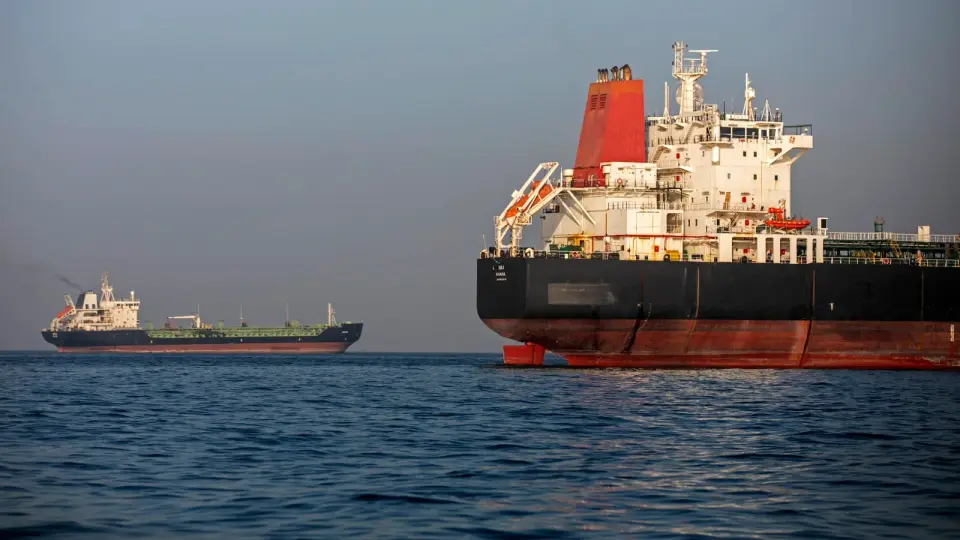
Brent crude reached a six-week high of $97.73 per barrel on Monday, driven by direct military exchanges between the U.S. and Iran and fresh strikes on Saudi Aramco facilities. U.S. forces sank three Iranian oil tankers over the weekend after Iran fired ballistic missiles at two U.S. Navy warships. Simultaneously, Aramco’s 400,000-barrel-per-day refinery in Jizan, Saudi Arabia, was attacked for the second time in a month. While the U.S. framed the tanker strikes as targeting a 'shadow network' funding Iran’s Revolutionary Guard, Tehran condemned the actions as 'economic warfare.' The Jizan attack, which has no confirmed claimant, threatens a critical Red Sea export route as Saudi Arabia shifts oil west to bypass the Strait of Hormuz.
Key points
- Brent crude rose 1.5% to $97.73 and WTI climbed 1.8% to $93.10, both reaching their highest levels since late July.
- U.S. Central Command confirmed the sinking of three Iranian oil tankers on Saturday, describing them as part of a multibillion-dollar network funding Iran’s Revolutionary Guard.
- Iranian Parliament Speaker Mohammad Baqer Qalibaf warned that any strike on Iranian assets would result in reciprocal attacks, responding to Defense Secretary Pete Hegseth’s threat to sink Iranian tankers.
- Saudi Aramco’s Jizan refinery, located near the Yemeni border, was struck on Monday, marking the second attack in a month; no group has claimed responsibility, though the Houthis have targeted the site previously.
- Gasoline and diesel prices hit record highs for the Labor Day weekend, reflecting the broader impact of elevated crude costs on consumer fuel.
Background
This escalation follows a month of relative calm in the U.S.-Iran conflict, which resumed fighting in early September after surpassing the six-month mark in August. The Jizan refinery has been a recurring target since July, when Houthi rebels launched their first strikes on Saudi oil infrastructure since 2019. Previous attacks in August and July caused temporary production interruptions but no material financial impact, according to Aramco CEO Amin Nasser. The current strikes occur as Saudi Arabia attempts to reroute oil exports through the Red Sea to avoid the Strait of Hormuz, a route now threatened by Houthi threats to close the Bab al-Mandeb Strait.
How outlets are covering it
CNBC emphasizes the direct U.S.-Iran military exchange, highlighting the sinking of Iranian tankers and the resulting price spike, while framing the Jizan attack as a separate, unconfirmed incident. The Financial Times focuses on the Houthi dimension, noting that Jizan has been repeatedly targeted since the Houthis declared a Red Sea blockade in July, and highlights the broader Yemen conflict, including a new ground offensive by Houthis along the Saudi Red Sea coast. Oilprice.com connects the Jizan strike to the strategic shift of Saudi oil exports to the Red Sea, noting that no oil products were shipped from Jizan in August due to previous attacks, and frames the incident as part of a broader pattern of Houthi escalation against Saudi energy infrastructure.
Why it matters
The simultaneous escalation in both the U.S.-Iran maritime conflict and the Houthi-Saudi land/air conflict creates a dual threat to global oil supply routes. The Strait of Hormuz, already disrupted by Iran, is now being bypassed via the Red Sea, which is itself under attack by Houthis. This could lead to sustained high oil prices, increased fuel costs for consumers, and potential supply chain disruptions for global energy markets. The lack of a clear claimant for the Jizan attack adds uncertainty, but the pattern of Houthi strikes suggests a likely connection, further complicating regional stability.
What to watch
Watch for further U.S. or Iranian retaliation in response to the tanker strikes, which could lead to a broader naval conflict in the Persian Gulf. Monitor Houthi claims of responsibility for the Jizan attack, which could signal a new phase in the Yemen-Saudi conflict. Track oil prices for continued volatility, especially if the Houthis succeed in disrupting Red Sea shipping or if Iran imposes further restrictions on the Strait of Hormuz. Also, watch for any diplomatic efforts to de-escalate the U.S.-Iran conflict, which could provide temporary relief to oil markets.
- Oil prices rise to 6-week high after Iran and U.S. trade blows, Saudi Aramco facilities reportedly hit CNBC
- Saudi Aramco oil facilities hit in new strikes Financial Times
- Saudi Aramco's Jizan Refinery Hit Again as Houthi Attacks Escalate oilprice.com
- Saudi Aramco’s Jazan refinery reportedly attacked Gulf Business
- Oil prices climb after reports of Saudi Aramco refinery being hit by Houthi rebels marketwatch.com
Want the full story? Read the original reporting
Read on CNBC