
Oil Jumps as Iran Blocks Hormuz Reopening Until U.S. Concedes
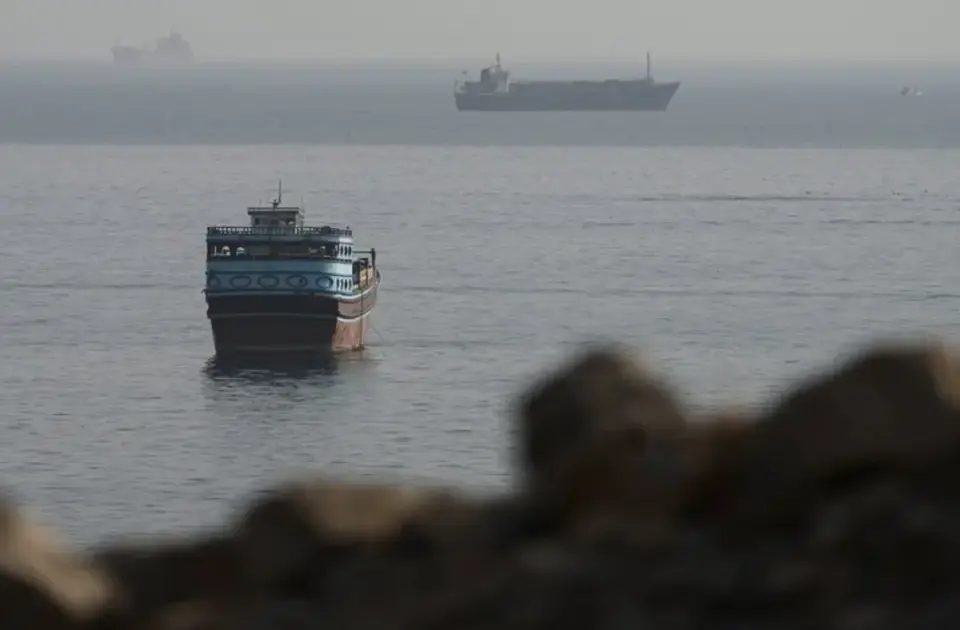
Crude oil prices rose nearly 2% on October 22, 2026, after Iran reaffirmed that it will not reopen the Strait of Hormuz until the United States meets specific demands. Tehran requires the U.S. to lift its naval blockade, pay war damages, remove sanctions, and release frozen assets. Former Defense Secretary Mark Esper called these conditions 'ridiculous' and urged immediate rejection, while Iran continues separate logistical talks with Oman that do not guarantee a full reopening.
Key points
- Iran’s Foreign Ministry stated that the U.S. must 'make amends' for its 'illegal and destructive actions' before the strait reopens.
- The closure of the Strait of Hormuz, which typically carries one-fifth of global traded oil, remains the conflict’s most lasting economic consequence.
- Former Defense Secretary Mark Esper criticized Iran’s demands as 'ridiculous' and argued they should be rejected 'out of hand' to prevent negotiations from stalling.
- Iran is conducting separate talks with Oman regarding a potential temporary shipping corridor, but insists any full reopening is contingent on U.S. concessions.
- Energy prices remain a central political issue in the U.S. ahead of the November midterm elections, with the impasse keeping markets volatile.
Background
This standoff follows months of fluctuating tensions. In July 2026, brief reopenings occurred after a U.S.-Iran memorandum of understanding, but prices remained volatile due to supply gluts and weak Chinese demand. By August, Iran hardened its stance, linking reopening to U.S. troop withdrawals and compensation. Recent archive reports indicate that while Oman and Iran discussed traffic management, Washington has not responded to Tehran’s latest sweeping demands, leaving the strait largely impassable and oil shipments rerouted or delayed.
How outlets are covering it
Fortune and Yahoo Finance report that Iran’s Foreign Ministry spokesperson Esmail Baghaei explicitly linked the strait’s closure to U.S. 'illegal' actions, demanding compensation and sanction relief. ABC News highlights a contrasting view from former Defense Secretary Mark Esper, who dismissed these demands as 'ridiculous' and argued that Iran is leveraging its control of the waterway to feel 'emboldened' and 'confident.' While Fortune notes ongoing logistical talks with Oman, ABC News emphasizes that Esper believes these demands will prevent any meaningful negotiation progress, viewing Iran’s position as a display of perceived military and economic leverage.
Why it matters
The continued closure of the Strait of Hormuz directly impacts global energy supply chains and inflation. With the waterway carrying roughly 20% of traded oil, any prolonged impasse keeps energy prices elevated, affecting household costs and influencing U.S. political dynamics ahead of the November midterms. The disagreement between U.S. officials and Iranian leadership suggests a high risk of prolonged market volatility and potential escalation in the broader Middle East conflict.
What to watch
Analysts expect oil prices to remain volatile as the U.S. weighs whether to engage with Iran’s demands or maintain its blockade. The outcome of the separate Iran-Oman talks on temporary shipping corridors may provide a short-term mitigation, but a full resolution likely depends on a breakthrough in U.S.-Iran negotiations regarding sanctions and war damages. Investors should monitor for any shifts in U.S. military posture or diplomatic signals from Washington regarding the 'Trump Strait' concept mentioned in earlier reports.
- Oil rises on uncertainty over reopening of Hormuz Yahoo Finance
- Iran, Holding Firm to Hormuz, Pushes for Return to June MOU The New York Times
- Iran says it will reopen Straight of Hormuz — as soon as the U.S. makes ‘amends’ Fortune
- Oil Rises Amid Growing Doubts That Strait of Hormuz Can Reopen Soon WSJ
- Former Trump Defense Secretary Mark Esper calls Iran's demands for fully reopening Strait of Hormuz 'ridiculous' ABC News - Breaking News, Latest News and Videos
Want the full story? Read the original reporting
Read on Yahoo Finance