
Record premiums and shuttle runs keep oil flowing through Hormuz despite war risks
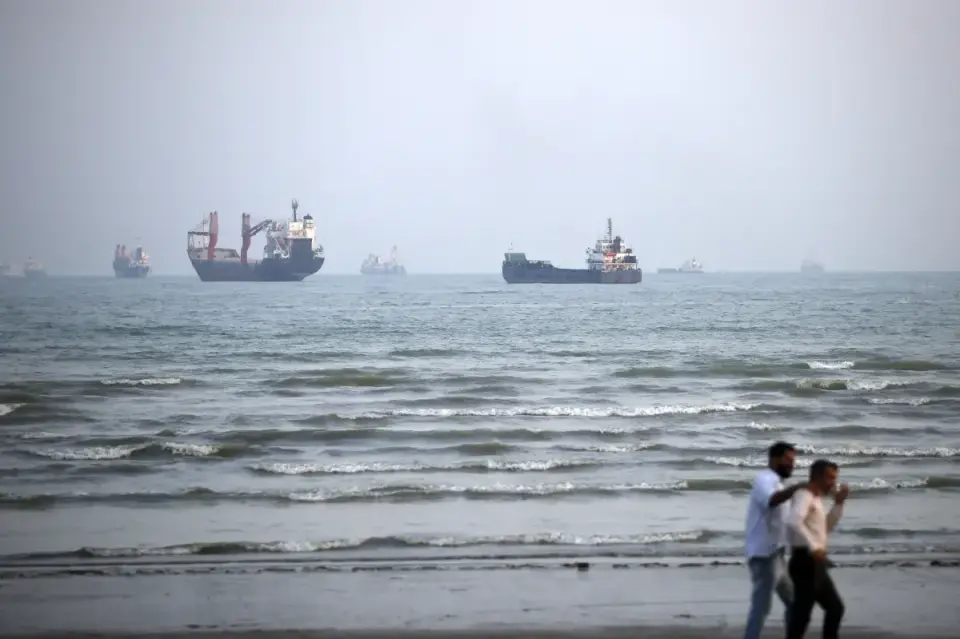
Sailors are receiving up to $25,000 per trip to transport oil through the conflict-ridden Persian Gulf, a premium that has helped restore crude exports to 16.5 million barrels per day. While this volume approaches pre-war levels, the logistics remain highly inefficient and expensive, with shipping costs now adding 27% to the final price of oil compared to 3% before the conflict. Brent crude remains above $100 a barrel, driven by these persistent logistical bottlenecks and elevated insurance premiums.
Key points
- Crew members from India, the Philippines, and China are accepting fees up to $25,000 for single trips, often exceeding their annual salaries, to navigate the Strait of Hormuz.
- Crude exports through the strait reached 16.5 million barrels per day in September, a significant recovery from the 5 million barrel low in March following the start of the Iran war.
- Producers are using a 'shuttle system' where smaller vessels load oil in the Gulf and transfer it to larger tankers in the safer Gulf of Oman to mitigate attack risks.
- The daily cost to hire a supertanker has surged to over $1.2 million, up from $231,400 before the war and $80,000 a year ago.
- Nine commercial vessels were attacked near the strait in the past two weeks, resulting in one death and two injuries, according to maritime authorities.
- Shipping costs now account for 27% of the final oil price, compared to just 3% prior to the conflict, keeping Brent crude above $100 per barrel.
Background
This situation follows months of escalating tensions in the Persian Gulf, including recent drone and missile strikes on vessels and oil infrastructure. Earlier in September, a U.S.-contracted vessel was struck in the Strait of Hormuz, causing minor injuries. Simultaneously, Ukraine has intensified drone attacks on Russian oil refineries, such as those in Volgograd and Saratov, which have halted processing at major facilities. These parallel conflicts have contributed to a global energy market characterized by high volatility and supply chain disruptions.
How outlets are covering it
The New York Post emphasizes the human element, highlighting the extreme financial incentives paid to sailors to risk their lives, and notes that these premiums are successfully restoring export volumes. The Times of India offers a more nuanced view, arguing that while oil volumes are near normal, the market is not. It points out that the 'shuttle system' and massive shipping cost increases mean that high prices will persist despite the restored flow. The Wall Street Journal, cited by the Post, focuses on the economic trade-off, noting that producers accept thinner margins to avoid leaving oil trapped in the Gulf. While the Post focuses on the immediate danger and payouts, the Times of India highlights the structural inefficiencies that keep prices elevated.
Why it matters
The reliance on extreme premiums and inefficient logistics to maintain oil flows indicates that the global energy market remains fragile. Even as volumes recover, the structural costs of war are embedded in the price of oil, making it difficult for consumer prices to drop. This situation could persist for months, affecting inflation and energy security worldwide, particularly if the conflict in the Persian Gulf continues to disrupt the Strait of Hormuz.
What to watch
Market participants are watching for potential shifts in U.S. policy, including an executive order to expand access to tax-exempt diesel, and the outcome of the November midterm elections, which could influence pressure on Iran. Additionally, Saudi Arabia has cut prices for Asian buyers in November, and Russia is expanding Arctic exports, which may help offset some of the high shipping costs in the coming months.
- Sailors reportedly offered $25K per trip to move oil out of the Persian Gulf amid strikes, drone attacks New York Post
- Shippers Are Offering Sailors Up to $25,000 a Trip to Sneak Oil Out of the Gulf WSJ
- Sailors Offered $25,000 for Risky Hormuz Oil Runs finance.yahoo.com
- India Oil Refiners Shift Tactics, Hire Ships to Cross Hormuz Bloomberg.com
- Abnormal normal The Times of India
Want the full story? Read the original reporting
Read on New York Post