
Dead sardines clog Koeberg nuclear plant intake, forcing 50% power cut
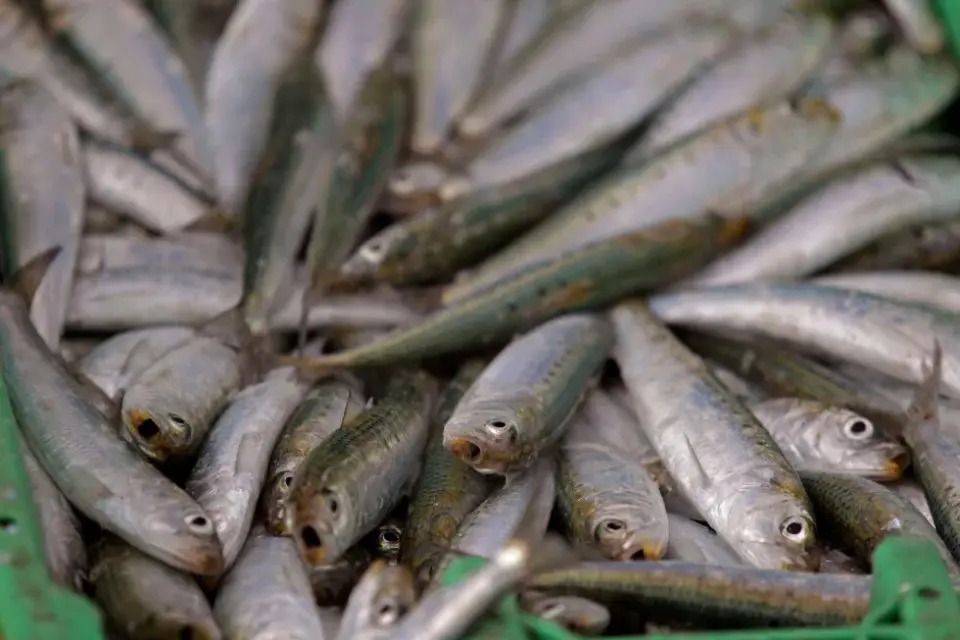
The Koeberg Nuclear Power Station in South Africa reduced output by 50% at one unit after dead sardines clogged its seawater intake. The facility, Africa’s only nuclear plant, is operated by Eskom.
Key points
- Koeberg Nuclear Power Station, located north of Cape Town, is the only nuclear power station in Africa.
- One of the plant’s two units had to cut power by 50% due to a blockage in the seawater intake.
- The blockage was caused by dead sardines washing ashore and clogging the intake system.
- The incident was reported by Eskom, the national electricity company that operates the station.
- The sardines were noted to carry a herpes virus, though no human health impact was reported.
Background
This incident highlights vulnerabilities in coastal infrastructure, similar to earlier reports of debris washing ashore in other regions. While unrelated to the 2026 Ebola outbreak in Congo or the Manasquan Beach closure, it underscores how environmental and biological factors can disrupt critical systems.
Why it matters
A 50% power cut at Africa’s only nuclear plant could strain South Africa’s energy grid, potentially affecting industrial output and household electricity supply. It also raises questions about the resilience of critical infrastructure against biological and environmental disruptions.
What to watch
Eskom may need to implement measures to prevent future blockages, such as improved intake filters or monitoring systems. The incident could also prompt broader reviews of coastal infrastructure resilience in South Africa.
Want the full story? Read the original reporting
Read on AP News