Sardine Shortage Hits Shelves as Demand Outpaces Supply
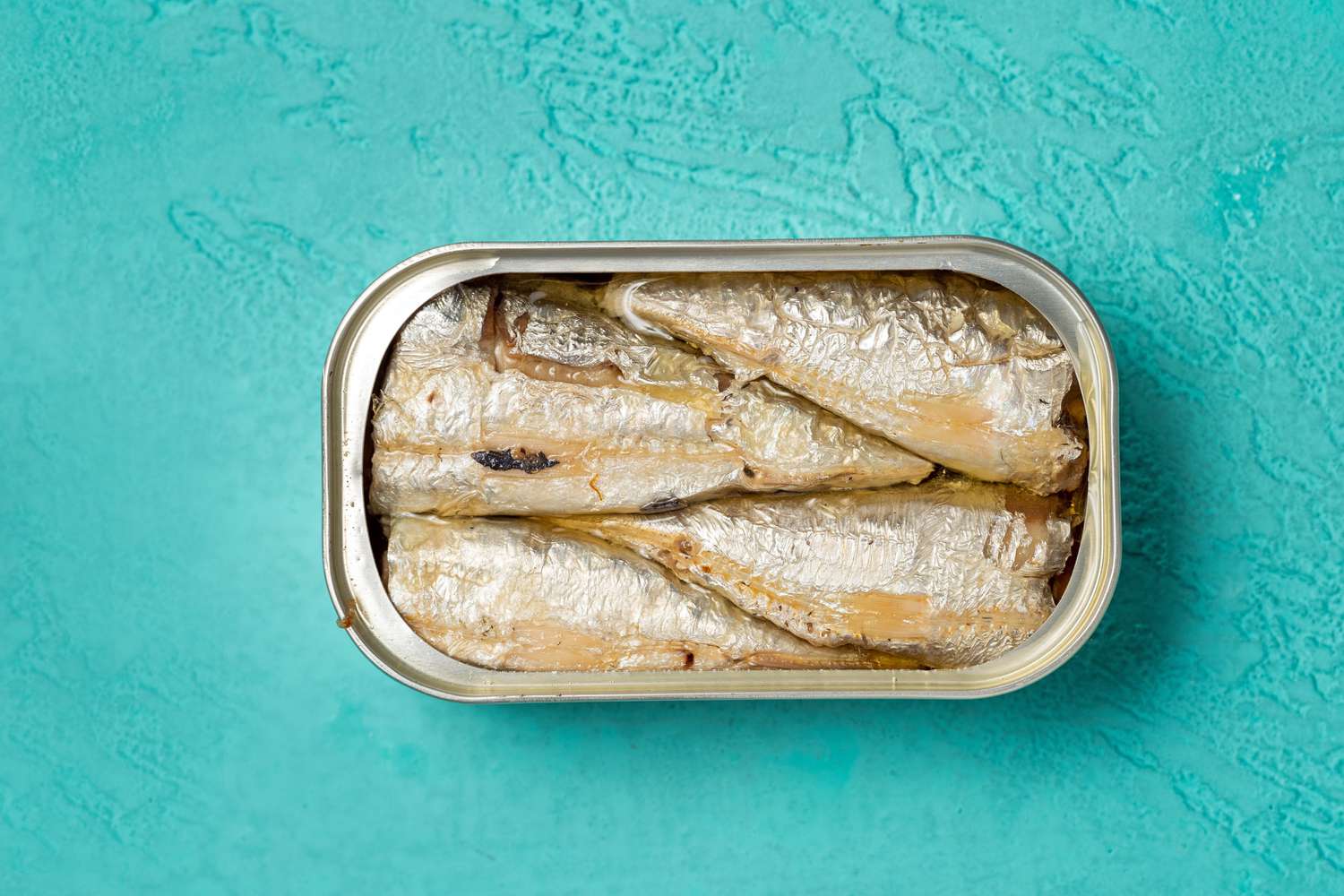
Rising consumer demand and shrinking sardine stocks are tightening supplies, making tinned sardines harder to find in stores and highlighting ongoing pressures in the global seafood market.
All articles tagged with #sardines

Rising consumer demand and shrinking sardine stocks are tightening supplies, making tinned sardines harder to find in stores and highlighting ongoing pressures in the global seafood market.

Africa’s sole nuclear power station, Koeberg near Cape Town, cut one unit’s output by 50% after dead sardines clogged its seawater intake, Eskom said, highlighting vulnerability of cooling systems in energy infrastructure.

The Health article names four fish as top sources of protein and omega-3 fatty acids while noting mercury content varies by species. It highlights salmon, sardines, tuna (with skipjack noted as lower in mercury), and halibut for notable nutrients, and provides per‑serving nutrition (e.g., 3 oz of Atlantic wild salmon: ~155 calories, 21.6 g protein, 1.8 g omega-3) along with tips to choose lower‑mercury options, cook healthily (grill/bake/steam), and balance omega-3 intake with protein goals for heart and overall health.

A Swedish study of healthy older adults suggests that an anti-inflammatory diet rich in leafy greens and sardines may offer added protection against dementia for some seniors, potentially outperforming the Mediterranean diet and highlighting the brain health benefits of mindful eating as people age.

Canned sardines are trending online for their rich nutrients—especially omega-3s, B12, vitamin D, and selenium—and their low cost, leading to widespread 'sardinemaxx' experiments; experts say they can support a healthy diet but aren’t a miracle cure, and benefits depend on overall habits.

Gen Z is driving a sardines craze, linking affordable, high-protein meals with wellness aesthetics and savvy marketing to a broader TikTok-driven trend. Nutritionists caution about sodium and additives, but fans see canned fish as a sustainable, global-food-culture moment that echoes traditional coastal cuisines and fits a busy, budget-conscious lifestyle.

Scientists used ancient DNA analysis to identify European sardines as the key ingredient in Roman fish sauce, garum, revealing insights into ancient diets and fish populations, and demonstrating the potential of genetic methods to study archaeological fish remains.

Eating sardines several times a week can benefit heart health by lowering triglycerides, supporting vascular function, regulating blood pressure, and providing antioxidants, making them a nutritious addition to a balanced diet.

As environmental advocates and fisheries management experts increasingly recognize the crucial role of smaller forage fish like sardines and anchovies, efforts to protect these species are gaining momentum. The decline of these small fish can have far-reaching consequences, impacting entire ecosystems and leading to population collapses of other marine animals, such as seabirds. While debates continue about the precise impacts of forage fish depletion and the appropriate management practices, there is a growing consensus that safeguarding the well-being of these small fish is essential for maintaining the health of marine environments.

Sardines are a nutritional powerhouse, rich in vitamin D, B12, omega-3 fatty acids, and essential minerals, making them beneficial for brain function, mood balance, and immune system support. They also help prevent hair loss and aging, and their high vitamin D content is crucial for overall health. Canned sardines are a good alternative to fresh ones, especially when packed in olive oil, and provide more vitamin D than dairy products.

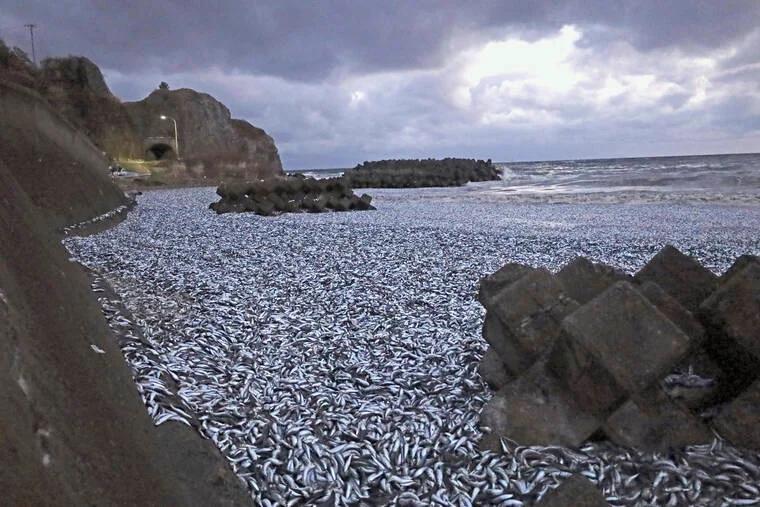
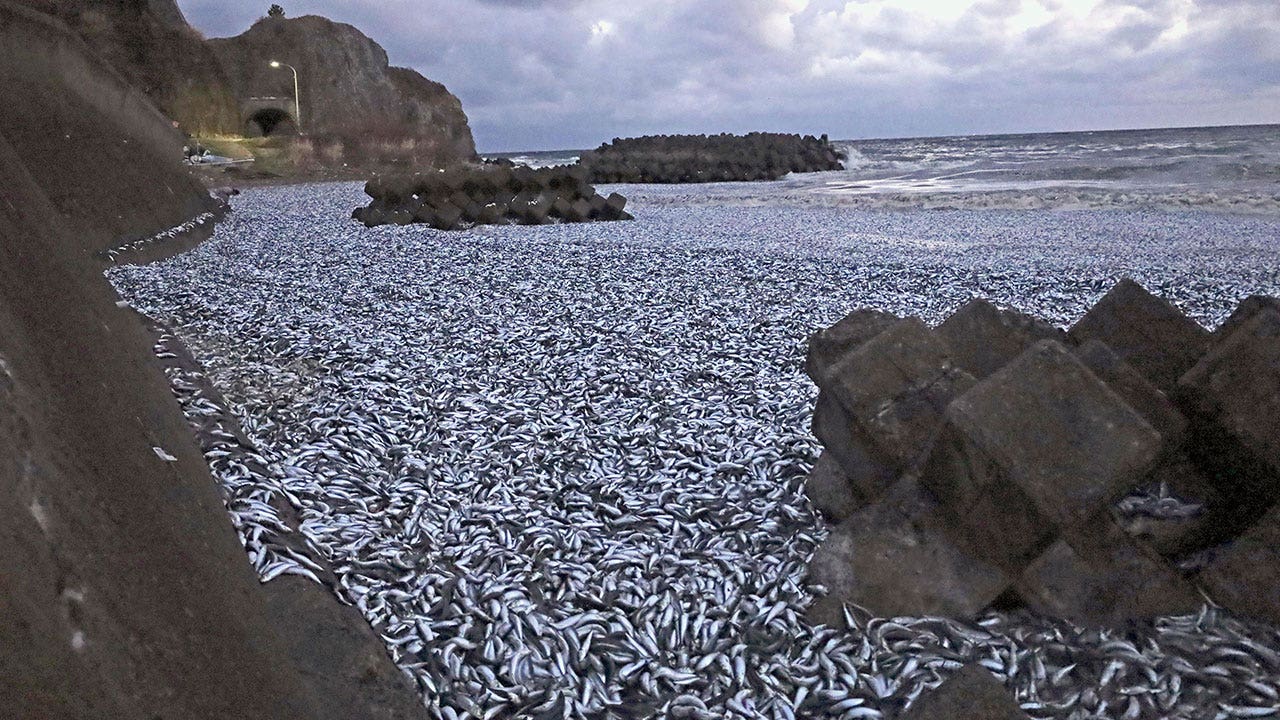
Thousands of tons of dead sardines and mackerels have washed up on a beach in Hakodate, Hokkaido, northern Japan, for unknown reasons. Local residents, who have never seen anything like it before, gathered the fish to sell or eat, despite warnings from officials not to consume them. Researchers speculate that the fish may have been chased by larger fish, exhausted due to a lack of oxygen, or suddenly entered cold waters during migration. The decomposing fish could lower oxygen levels in the water and impact the marine environment.

Thousands of tons of dead sardines have washed up on a beach in Hakodate, Japan, leaving residents puzzled. The cause of this phenomenon is unknown, but researchers speculate that the fish may have been chased by larger fish, exhausted due to a lack of oxygen, or suddenly entered cold waters during migration. The decomposing fish could potentially impact the marine environment by lowering oxygen levels, leading officials to caution against consuming them.
Thousands of tons of dead sardines have washed up on a beach in Hakodate, northern Japan, for unknown reasons. Local residents, who have never seen anything like it before, gathered the fish to sell or eat, despite warnings from officials not to consume them. Researchers speculate that the fish may have been chased by larger fish, exhausted due to a lack of oxygen, or suddenly entered cold waters during migration. The decomposing fish could lower oxygen levels in the water and impact the marine environment.

Joe Rogan revealed on his podcast that he unknowingly "poisoned" himself with arsenic by consuming three cans of sardines every night. Rogan discovered the arsenic in his blood after undergoing a blood test, initially suspecting foul play. However, his doctor determined that the excessive consumption of sardines was the cause. While sardines are a good source of protein and healthy fats, they can be prone to arsenic contamination. Rogan's experience highlights the importance of moderation when consuming seafood and avoiding varieties with high levels of contaminants.

A botulism outbreak in France has resulted in one death and over a dozen hospitalizations, including a man from California who is currently on a ventilator. The outbreak is believed to be caused by improperly preserved sardines served at a wine bar in Bordeaux. Botulism is a rare but dangerous foodborne illness caused by a toxin produced by Clostridium botulinum bacteria. The outbreak has affected individuals from various countries, and investigations are underway to identify all customers who consumed the contaminated sardines. Symptoms of botulism include difficulty breathing, muscle paralysis, and potential death if not treated promptly.