
U.S. official promises quick Saudi pipeline fix, but experts warn of months-long repair
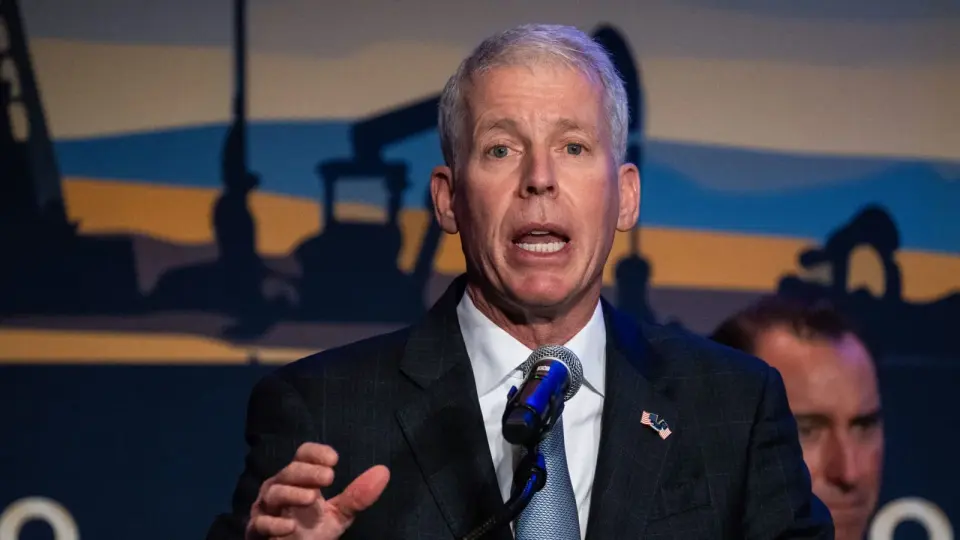
U.S. Energy Secretary Chris Wright stated that Saudi Arabia’s East-West oil pipeline will reopen within days following drone attacks by Iran-backed groups. However, satellite imagery suggests extensive damage to pumping stations, leading analysts to predict repairs could take months. The outage has already disrupted global supply, pushing Brent crude above $108 per barrel and forcing Saudi Arabia to reroute exports through the Strait of Hormuz with U.S. military support.
Key points
- U.S. Energy Secretary Chris Wright told CNBC that the pipeline outage will be 'measured in days,' describing it as a brief interruption.
- Satellite imagery indicates severe damage to a pumping station, prompting analyst Andy Lipow to estimate repairs could take months.
- Brent crude prices surged past $108 per barrel as markets assessed the supply disruption.
- Saudi Arabia is currently rerouting some exports through the Strait of Hormuz with U.S. military assistance while the pipeline is offline.
- Saudi Aramco has canceled or delayed late-September crude cargoes to European refiners due to the outage.
Background
This incident follows a series of escalating attacks on Saudi energy infrastructure by Iran-backed Houthi militias in Yemen, which began in early September 2026. Previous strikes on Saudi facilities had already pushed oil prices to six-week highs and raised concerns about the vulnerability of the Red Sea shipping corridor. The East-West pipeline is critical for bypassing the Strait of Hormuz, which has seen constrained traffic due to U.S.-Iran tensions.
How outlets are covering it
Outlets disagree on the timeline for repairs. CNBC and OilPrice.com report that U.S. Energy Secretary Chris Wright expects the pipeline to reopen within days. In contrast, CNBC cites analyst Andy Lipow, who argues satellite imagery shows damage that will take months to fix. The New York Times frames the situation as a 'worst-case scenario' for Saudi Arabia, highlighting the kingdom's strategic shock after failing to secure sufficient U.S. military support against the Houthis. Yahoo Finance focuses on the immediate market impact, noting the surge in oil prices past $108.
Why it matters
The East-West pipeline carries roughly 4% to 5% of global oil supply. Its closure threatens to deplete export-ready inventories at the Yanbu terminal, potentially causing a broader global supply crunch. The disruption has already forced European refiners to seek alternative crude sources, such as North Sea and U.S. WTI Midland, highlighting the fragility of global energy logistics amid Middle East conflicts.
What to watch
Traders will monitor the actual repair timeline against Wright's 'days' estimate. If the pipeline remains closed for weeks, Yanbu inventories could be depleted, exacerbating price volatility. Saudi Arabia will continue to rely on U.S. military support to move crude through the Strait of Hormuz, while diplomatic efforts between Iran and Gulf states remain stalled.
- Saudi pipeline closure is a brief interruption that will last days, U.S. Energy Secretary tells CNBC CNBC
- Saudi Arabia Faces ‘Worst-Case Scenario’ After Iran’s Attacks and Trump’s Rebuffs The New York Times
- US Energy Secretary Saudi Pipeline Could Be Back in Service Within Days Crude Oil Prices Today | OilPrice.com
- Saudi Arabia faces hard choices as Houthis gain in Yemen dw.com
- Oil prices surge past $108 as Saudi pipeline shutdown continues Yahoo Finance
Want the full story? Read the original reporting
Read on CNBC